

Why Your Manufacturing Needs an Optical Inspection Machine Now: Ensuring Quality and Efficiency in Production
2026-04-12


Why Your Manufacturing Needs an Optical Inspection Machine Now
In the fast-paced world of manufacturing, quality control is not just an option; it's a necessity. As industries evolve and customer expectations rise, the need for precise inspection methods has never been greater. Optical inspection machines have emerged as a vital tool for manufacturers aiming to enhance product quality, minimize errors, and boost operational efficiency. In this article, we will delve into the compelling reasons why your manufacturing operation should consider integrating optical inspection technology today.
Understanding Optical Inspection Machines
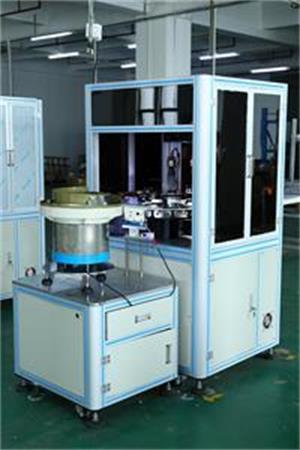
Optical inspection machines utilize advanced imaging technology to assess the quality of products during the manufacturing process. Unlike traditional inspection methods that rely on human judgment or tactile feedback, optical systems provide highly accurate and objective assessments. These machines can detect minute defects that may go unnoticed with the naked eye, ensuring that only products meeting strict quality standards reach the market.
The Role of Optical Inspection in Manufacturing
Optical inspection is transforming how manufacturers approach quality control. By employing high-resolution cameras and sophisticated software, optical machines analyze and measure various parameters of products, including dimensions, surface defects, and color consistency. This technology plays a crucial role in industries such as electronics, automotive, medical devices, and consumer goods.
Key Components of Optical Inspection Machines
To appreciate the benefits of optical inspection, it's essential to understand the key components of these machines:
1. **High-Resolution Cameras**: Capture detailed images of the product for analysis.
2. **Lighting Systems**: Illuminate the surface of the product to enhance visibility of defects.
3. **Image Processing Software**: Analyzes captured images to detect irregularities and ensure compliance with specifications.
4. **User Interface**: Allows operators to interact with the machine easily, set parameters, and view results.
Benefits of Implementing Optical Inspection Machines
The advantages of integrating optical inspection machines into your manufacturing process are substantial. Here are some of the key benefits:
1. Enhanced Precision and Accuracy
Optical inspection machines provide a level of accuracy that far exceeds manual inspection methods. With the ability to detect imperfections as small as a few microns, these machines ensure that only products meeting the highest quality standards are shipped.
2. Increased Efficiency and Speed
In manufacturing, time is money. Optical inspection machines operate quickly, allowing for real-time analysis of products on the production line. This speed not only accelerates the inspection process but also reduces bottlenecks, contributing to a more efficient workflow.
3. Cost Reduction
While the initial investment in optical inspection technology may seem significant, the long-term savings are undeniable. By catching defects early in the production process, manufacturers can avoid costly recalls, minimize waste, and reduce the resources spent on handling customer complaints.
4. Improved Product Quality
Customer satisfaction hinges on product quality. Optical inspection machines help ensure that every item produced meets stringent quality standards, thereby enhancing brand reputation and customer loyalty. This level of quality assurance can differentiate your products in a crowded marketplace.
5. Streamlined Compliance with Industry Standards
Many industries require adherence to strict quality control standards. Optical inspection machines can be programmed to follow these specifications, simplifying the compliance process and providing documented evidence of quality assurance.
Choosing the Right Optical Inspection Machine
Selecting the right optical inspection machine for your manufacturing business involves several key considerations:
1. Understand Your Inspection Needs
Before investing in an optical inspection machine, assess your specific inspection needs. Consider the types of products you manufacture, the critical parameters you need to measure, and the level of detail required in your inspections.
2. Evaluate Machine Features
Different optical inspection machines come equipped with various features. Look for machines that offer high-resolution imaging, advanced lighting options, and robust image processing capabilities. The more features a machine has, the more versatile it will be in meeting your inspection needs.
3. Consider Integration with Existing Systems
Optical inspection machines should seamlessly integrate with your current manufacturing systems. Ensure compatibility with your production line and data management systems to streamline operations.
4. Assess Training and Support
Implementing new technology requires adequate training for your staff. Choose a supplier that provides comprehensive training and ongoing support to ensure your team is proficient in using the optical inspection machine.
The Future of Optical Inspection in Manufacturing
As technology advances, the future of optical inspection in manufacturing looks promising. Innovations such as artificial intelligence and machine learning are set to enhance the capabilities of optical inspection machines, allowing for even greater accuracy and efficiency. Manufacturers who embrace these advancements will be well-positioned to thrive in an increasingly competitive market.
Trends Shaping Optical Inspection Technology
1. **AI and Machine Learning**: Automating defect detection and analysis for improved efficiency.
2. **3D Inspection Capabilities**: Providing a comprehensive view of products to identify defects that may not be visible in 2D inspection.
3. **Cloud-Based Data Management**: Enabling real-time data access and analysis for better decision-making.
Frequently Asked Questions (FAQs)
1. What types of defects can optical inspection machines detect?
Optical inspection machines can detect a wide range of defects, including surface scratches, color inconsistencies, dimensional inaccuracies, and foreign materials.
2. How do optical inspection machines improve quality control?
By providing precise and objective assessments, optical inspection machines help ensure that only products meeting quality standards are shipped, reducing the likelihood of defects reaching customers.
3. Can optical inspection machines be integrated into existing production lines?
Yes, most optical inspection machines are designed to integrate seamlessly into existing production lines, enhancing efficiency without disrupting workflow.
4. Are optical inspection machines suitable for all manufacturing industries?
While optical inspection machines are highly versatile, their suitability depends on the specific inspection needs of each industry. They are particularly beneficial in sectors like electronics, automotive, and medical devices.
5. What is the return on investment (ROI) for optical inspection technology?
The ROI for optical inspection technology can be significant, as the initial investment is often offset by reduced labor costs, decreased defect rates, and improved product quality.
Conclusion: Embracing Optical Inspection is Essential for Modern Manufacturing
In conclusion, the integration of optical inspection machines into manufacturing processes is no longer a luxury but a necessity. As we navigate the challenges of quality control in a highly competitive market, the benefits of enhanced precision, efficiency, and cost reduction make a compelling case for adoption. By investing in this technology now, manufacturers not only safeguard their reputation for quality but also position themselves for future success. Embrace the power of optical inspection and ensure that your products meet the highest standards of excellence in manufacturing.
Contact Us
Ms. Lu: +86-18128878019
Phone: +86 0755-23199519
ADD : Room 302, 402, Building A, Xinpitou Industrial Zone, Kanghong Road, Xinqiang Community, Xinhu Street, Guangming New District, Shenzhen
Online Message
Our team will get in touch with you shortly, so keep an eye on your inbox