
Revolutionizing Quality Control: The Role of Visual Sorting Machines in Optical Instruments
2026-06-19


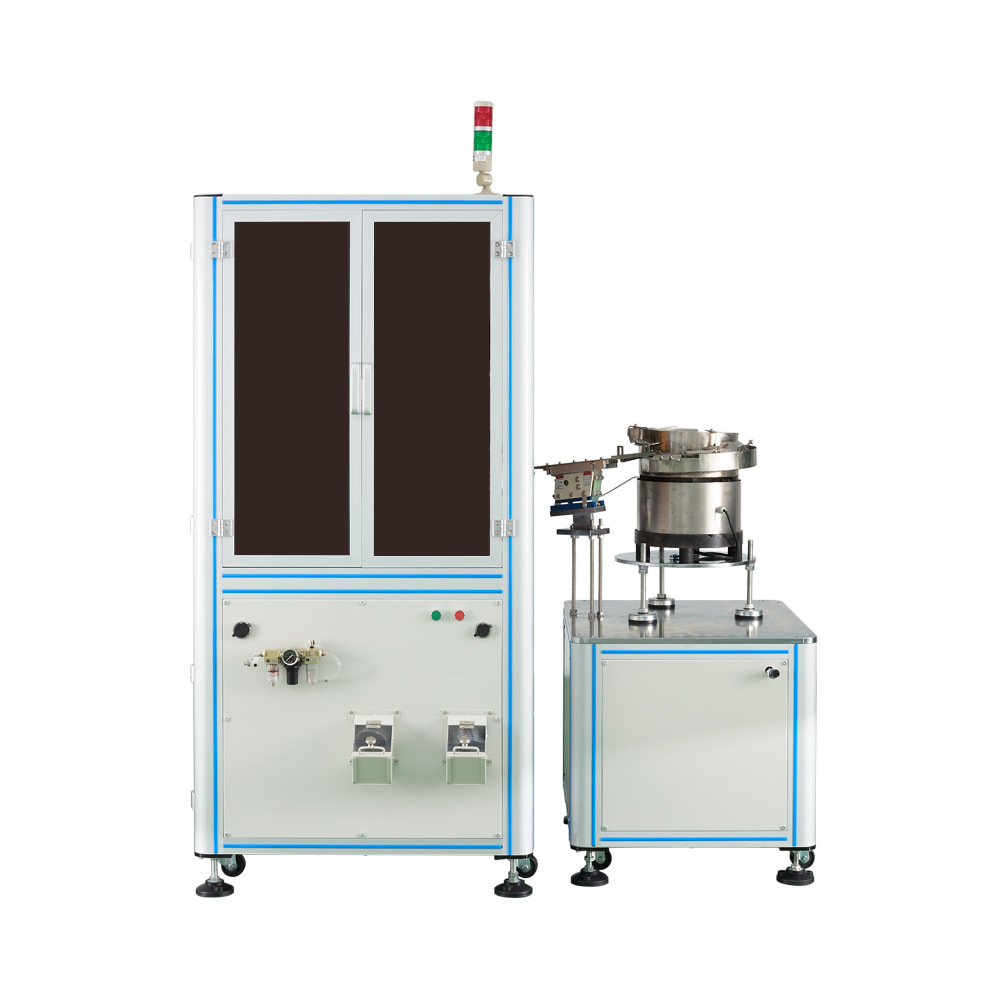
Visual sorting machines have emerged as a critical component in quality assurance processes, particularly within the optical lens and instruments sector. These advanced machines utilize sophisticated imaging technology to analyze and sort optical components based on predefined criteria, ensuring that only products meeting stringent quality standards proceed to the next stage of manufacturing or distribution.
One of the primary advantages of visual sorting machines is their ability to improve accuracy and consistency in defect detection. In optical applications, even minor imperfections can lead to significant performance issues, affecting vision quality and user satisfaction. By employing machine vision systems, these sorting machines can evaluate thousands of components in a fraction of the time it would take human inspectors, significantly reducing the risk of errors and enhancing throughput.
Moreover, visual sorting machines are customizable, allowing organizations to tailor parameters according to specific product requirements. This flexibility means that whether you are sorting for surface defects, dimensional tolerances, or color discrepancies, these machines can be programmed to meet your unique specifications. Such adaptability is crucial in a field where precision is paramount, and varying product lines may require different sorting criteria.
The integration of visual sorting machines into existing production lines can also yield significant operational efficiencies. By automating the sorting process, companies can free up valuable human resources to focus on more complex tasks, thus optimizing labor costs and enhancing overall productivity. Additionally, the data collected during the sorting process can be invaluable for identifying trends, monitoring quality over time, and providing insights for continuous improvement initiatives.
In the realm of optical testing devices, the impact of visual sorting machines extends beyond mere quality control. Their capabilities can lead to enhanced product reliability, reduced waste due to failed components, and ultimately, greater customer satisfaction. When consumers can trust that the optical products they are using are free from defects, it fosters brand loyalty and encourages repeat business.
In conclusion, visual sorting machines play a transformative role in the optical instruments and testing devices industry. By leveraging advanced imaging technology for precise sorting, these machines not only ensure product quality but also boost operational efficiency. As the industry continues to evolve, investing in such innovative solutions will be crucial for organizations aiming to maintain competitive advantage and uphold high standards in product delivery.
One of the primary advantages of visual sorting machines is their ability to improve accuracy and consistency in defect detection. In optical applications, even minor imperfections can lead to significant performance issues, affecting vision quality and user satisfaction. By employing machine vision systems, these sorting machines can evaluate thousands of components in a fraction of the time it would take human inspectors, significantly reducing the risk of errors and enhancing throughput.
Moreover, visual sorting machines are customizable, allowing organizations to tailor parameters according to specific product requirements. This flexibility means that whether you are sorting for surface defects, dimensional tolerances, or color discrepancies, these machines can be programmed to meet your unique specifications. Such adaptability is crucial in a field where precision is paramount, and varying product lines may require different sorting criteria.
The integration of visual sorting machines into existing production lines can also yield significant operational efficiencies. By automating the sorting process, companies can free up valuable human resources to focus on more complex tasks, thus optimizing labor costs and enhancing overall productivity. Additionally, the data collected during the sorting process can be invaluable for identifying trends, monitoring quality over time, and providing insights for continuous improvement initiatives.
In the realm of optical testing devices, the impact of visual sorting machines extends beyond mere quality control. Their capabilities can lead to enhanced product reliability, reduced waste due to failed components, and ultimately, greater customer satisfaction. When consumers can trust that the optical products they are using are free from defects, it fosters brand loyalty and encourages repeat business.
In conclusion, visual sorting machines play a transformative role in the optical instruments and testing devices industry. By leveraging advanced imaging technology for precise sorting, these machines not only ensure product quality but also boost operational efficiency. As the industry continues to evolve, investing in such innovative solutions will be crucial for organizations aiming to maintain competitive advantage and uphold high standards in product delivery.
Related News
Contact Us
Ms. Lu: +86-18128878019
Phone: +86 0755-23199519
ADD : Room 302, 402, Building A, Xinpitou Industrial Zone, Kanghong Road, Xinqiang Community, Xinhu Street, Guangming New District, Shenzhen
Online Message
Our team will get in touch with you shortly, so keep an eye on your inbox