
Unlocking the Potential of Visual Sorting Machines in Optical Inspection
2026-06-29


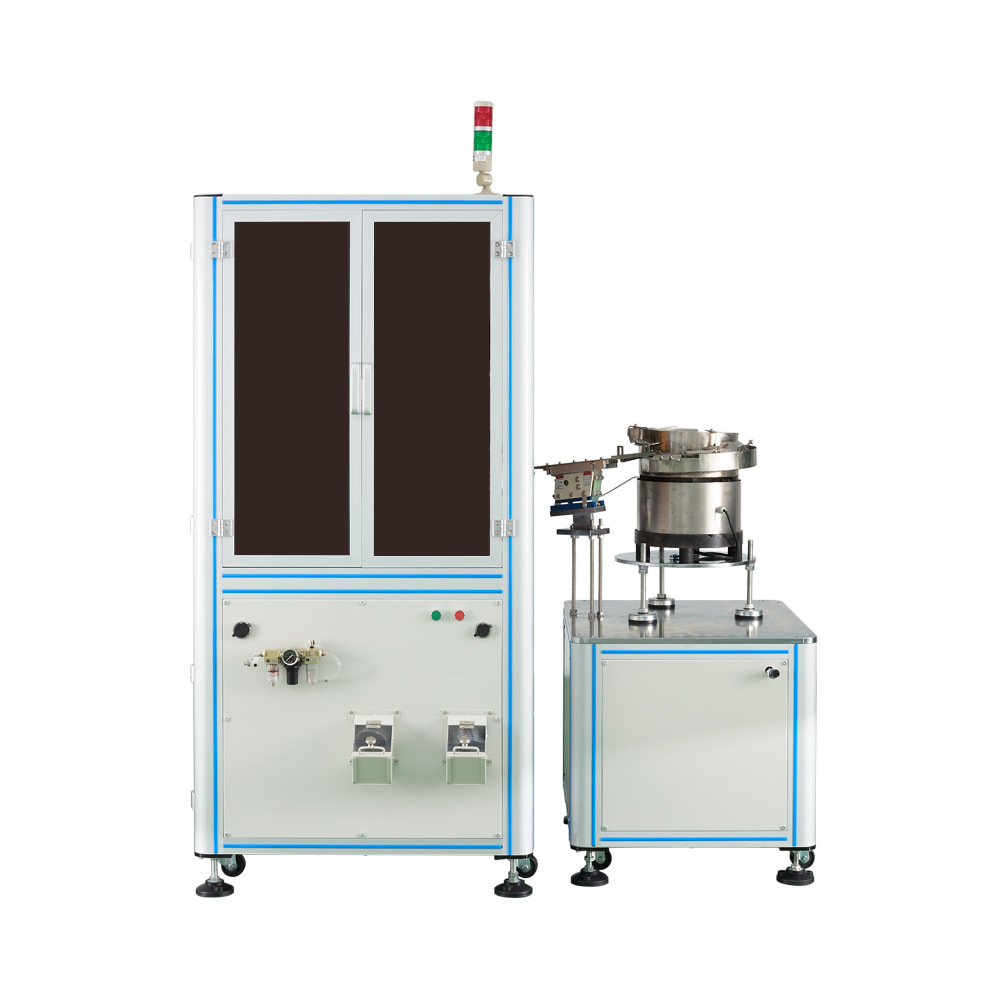
Visual sorting machines represent a significant advancement in technology, especially within the field of optical inspection. These systems utilize sophisticated imaging techniques and algorithms to differentiate between various materials, colors, shapes, and sizes of objects. In the realm of optical instruments, the effectiveness of quality control is paramount, and visual sorting machines play a crucial role in ensuring that only top-grade optical lenses and instruments are delivered to customers.
At the core of visual sorting machines is their ability to replicate human visual inspection while increasing accuracy and efficiency. These machines typically incorporate high-resolution cameras that capture images of each item on a conveyor belt. The captured images are then processed by advanced software equipped with machine learning algorithms, which analyze and classify the items in real-time. This technology allows for the swift identification of defects or deviations from the desired specifications, significantly reducing the likelihood of errors that could occur with manual inspection.
One of the primary benefits of visual sorting machines is their speed. Unlike human inspectors, who may tire and slow down over long periods, these machines can operate continuously with precise consistency. This leads to increased throughput, allowing manufacturers to meet higher production demands without compromising quality. Additionally, the automation of sorting processes minimizes labor costs and reallocates human resources to more complex tasks that require critical thinking and creativity.
In the context of optical inspection, visual sorting machines can identify various defects such as scratches, bubbles, or inclusions in lenses that may not be visible to the naked eye. By providing real-time feedback, these machines enable manufacturers to address quality issues promptly, ensuring that only products meeting stringent quality standards proceed to the next stages of production and distribution.
Furthermore, visual sorting machines are adaptable to a variety of production environments. They can be tailored to sort different types of optical components, including lenses, prisms, and filters, making them versatile tools in any optical manufacturing facility. The integration of these machines into existing production lines is often seamless, enhancing overall operational efficiency.
In conclusion, visual sorting machines are revolutionizing the optical inspection landscape by enhancing accuracy, efficiency, and throughput. Their ability to conduct precise inspections in real-time minimizes the risk of defects in optical instruments, ultimately ensuring that customers receive high-quality products. As manufacturers continue to adopt this technology, the potential for improved quality control and operational excellence in the optical industry is immense. By investing in visual sorting machines, companies can solidify their reputation for quality and reliability in the competitive market of optical instruments.
At the core of visual sorting machines is their ability to replicate human visual inspection while increasing accuracy and efficiency. These machines typically incorporate high-resolution cameras that capture images of each item on a conveyor belt. The captured images are then processed by advanced software equipped with machine learning algorithms, which analyze and classify the items in real-time. This technology allows for the swift identification of defects or deviations from the desired specifications, significantly reducing the likelihood of errors that could occur with manual inspection.
One of the primary benefits of visual sorting machines is their speed. Unlike human inspectors, who may tire and slow down over long periods, these machines can operate continuously with precise consistency. This leads to increased throughput, allowing manufacturers to meet higher production demands without compromising quality. Additionally, the automation of sorting processes minimizes labor costs and reallocates human resources to more complex tasks that require critical thinking and creativity.
In the context of optical inspection, visual sorting machines can identify various defects such as scratches, bubbles, or inclusions in lenses that may not be visible to the naked eye. By providing real-time feedback, these machines enable manufacturers to address quality issues promptly, ensuring that only products meeting stringent quality standards proceed to the next stages of production and distribution.
Furthermore, visual sorting machines are adaptable to a variety of production environments. They can be tailored to sort different types of optical components, including lenses, prisms, and filters, making them versatile tools in any optical manufacturing facility. The integration of these machines into existing production lines is often seamless, enhancing overall operational efficiency.
In conclusion, visual sorting machines are revolutionizing the optical inspection landscape by enhancing accuracy, efficiency, and throughput. Their ability to conduct precise inspections in real-time minimizes the risk of defects in optical instruments, ultimately ensuring that customers receive high-quality products. As manufacturers continue to adopt this technology, the potential for improved quality control and operational excellence in the optical industry is immense. By investing in visual sorting machines, companies can solidify their reputation for quality and reliability in the competitive market of optical instruments.
Related News
Contact Us
Ms. Lu: +86-18128878019
Phone: +86 0755-23199519
ADD : Room 302, 402, Building A, Xinpitou Industrial Zone, Kanghong Road, Xinqiang Community, Xinhu Street, Guangming New District, Shenzhen
Online Message
Our team will get in touch with you shortly, so keep an eye on your inbox