
Streamlining Workflow with Auto Optical Inspection Machines: Revolutionizing Quality Control in Manufacturing
2026-07-18


Streamlining Workflow with Auto Optical Inspection Machines
Introduction to Auto Optical Inspection Machines
In the fast-paced world of manufacturing, maintaining product quality while optimizing workflows is critical. **Auto Optical Inspection (AOI) machines** have emerged as a powerful solution for achieving these goals. These innovative machines utilize advanced imaging techniques to inspect products for defects, ensuring that only the highest quality items reach consumers. In this article, we will delve into the mechanisms of AOI machines, their benefits, and how they can streamline workflows across various industries.
Understanding Auto Optical Inspection Technology
What are Auto Optical Inspection Machines?
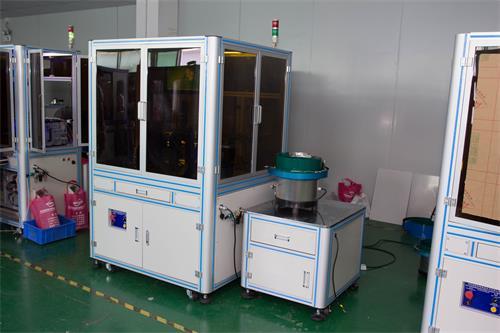
Auto Optical Inspection machines are automated systems designed to visually inspect products on production lines. They employ high-resolution cameras and sophisticated software algorithms to detect defects in components such as circuit boards, lenses, and optical instruments. By analyzing images captured during the manufacturing process, these machines can identify issues such as misalignments, missing parts, or surface defects, thereby ensuring that only products meeting quality standards proceed to the next phase of production.
How Do Auto Optical Inspection Machines Work?
AOI machines operate through a multi-step process that begins with the capture of images. High-resolution cameras scan products as they move along the production line. The images are then processed using machine learning algorithms capable of distinguishing between acceptable and unacceptable quality levels. The system can flag defective items for removal or rework, significantly reducing the likelihood of faulty products reaching customers.
The Benefits of Implementing Auto Optical Inspection Machines
1. Enhanced Quality Control
One of the most significant advantages of AOI machines is their ability to improve quality control. By detecting defects early in the manufacturing process, companies can reduce waste and rework costs. This proactive approach to quality assurance leads to fewer customer complaints and returns, enhancing overall satisfaction.
2. Increased Efficiency and Productivity
AOI machines streamline workflows by automating the inspection process, which previously required manual labor. This automation not only speeds up production times but also allows human operators to focus on more complex tasks that require critical thinking and creativity. As a result, manufacturers can achieve higher output with the same or fewer resources.
3. Cost Reduction
Investing in AOI technology can lead to substantial cost savings over time. By minimizing defects and reducing the need for rework, manufacturers can significantly lower production costs. The initial investment in AOI equipment is often offset by the long-term savings generated through improved efficiency and reduced waste.
4. Consistency and Reliability
Auto Optical Inspection machines provide a level of consistency that is challenging to achieve with manual inspections. These machines perform inspections based on predetermined criteria without fatigue or errors. Such reliability ensures that all products are scrutinized equally, maintaining high-quality standards across production runs.
Applications of Auto Optical Inspection Machines
1. Electronics Manufacturing
In the electronics industry, AOI machines are invaluable for inspecting printed circuit boards (PCBs) and other electronic components. They ensure that solder joints are correctly formed, components are placed accurately, and there are no defects that could lead to product failure.
2. Optical Components Inspection
For manufacturers of optical lenses and instruments, AOI machines are essential for detecting surface imperfections, coating irregularities, and optical aberrations. This ensures that products not only meet aesthetic standards but also perform effectively in their intended applications.
3. Automotive Industry
In automotive manufacturing, AOI machines play a critical role in quality assurance. They inspect components used in vehicles, such as sensors, wiring harnesses, and safety systems, to ensure that they meet stringent industry standards.
4. Medical Device Manufacturing
The medical industry demands the highest level of quality control. AOI machines help ensure that medical devices are manufactured to precise specifications, minimizing the risk of defects that could compromise patient safety.
Implementing Auto Optical Inspection Machines in Your Workflow
1. Assessing Your Inspection Needs
Before investing in AOI technology, it is crucial to conduct a thorough assessment of your inspection needs. Consider factors such as the types of products you manufacture, the complexity of the inspection tasks, and your budget constraints. This evaluation will guide you in selecting the right AOI system for your operation.
2. Choosing the Right AOI Machine
When selecting an AOI machine, consider features such as resolution, speed, and software capabilities. A high-resolution camera may be necessary for detailed inspections, while faster processing speeds can help maintain production efficiency. Additionally, ensure that the software is user-friendly and compatible with your existing systems.
3. Training Your Team
Successful implementation of AOI machines requires adequate training for your team. Operators should be familiar with how the machines work, how to interpret the results, and how to perform routine maintenance. Investing in training will maximize the benefits derived from the technology.
4. Continuous Monitoring and Improvement
Once the AOI systems are in place, it is vital to continuously monitor their performance. Collect data on inspection results, production efficiency, and defect rates to identify areas for improvement. Regularly updating software and conducting maintenance will ensure that your AOI machines operate at peak performance.
Common Challenges and Solutions in Auto Optical Inspection
1. False Positives and Negatives
One of the challenges of using AOI machines is the potential for false positives (incorrectly identifying a good product as defective) and false negatives (failing to identify a defective product). To mitigate this, it is essential to calibrate the machine correctly and regularly update the inspection criteria based on historical data.
2. Integration with Existing Systems
Integrating AOI machines with existing manufacturing systems can be complex. To address this, work closely with the vendor to ensure compatibility and consider phased implementation to minimize disruptions in production.
3. High Initial Investment Costs
The upfront costs of AOI machines can be daunting for some manufacturers. However, by calculating the potential cost savings in waste reduction and increased efficiency, businesses can see a clear return on investment over time.
Future Trends in Auto Optical Inspection Technology
1. Enhanced AI and Machine Learning Integration
The future of AOI technology lies in further advancements in artificial intelligence (AI) and machine learning. These technologies will enable machines to learn from previous inspections and improve their detection capabilities over time, leading to even higher accuracy and efficiency.
2. Increased Use of 3D Imaging
As technology evolves, the use of 3D imaging in AOI machines is becoming more prevalent. This method provides a more comprehensive view of products, allowing for more detailed inspections and the identification of defects that may be missed with traditional 2D imaging.
3. Greater Customization Options
Manufacturers are increasingly seeking tailored solutions that meet their specific inspection needs. Future AOI machines are likely to offer more customization options, allowing businesses to adapt the technology to their unique workflows and product requirements.
Frequently Asked Questions (FAQs)
1. What is the primary purpose of Auto Optical Inspection machines?
The primary purpose of Auto Optical Inspection machines is to visually inspect products for defects during the manufacturing process to ensure high-quality standards.
2. How do AOI machines improve manufacturing efficiency?
AOI machines improve efficiency by automating the inspection process, reducing the time needed for quality control and allowing human operators to focus on more complex tasks.
3. What industries benefit most from AOI technology?
Industries such as electronics, automotive, medical device manufacturing, and optical components significantly benefit from AOI technology due to their stringent quality control requirements.
4. Can AOI machines detect all types of defects?
While AOI machines are highly effective in identifying many defects, there may still be limitations depending on the complexity of the product and the specific inspection criteria.
5. What should I consider before implementing an AOI system?
Before implementing an AOI system, assess your inspection needs, choose the right machine, train your team, and plan for continuous monitoring and improvement.
Conclusion
In conclusion, Auto Optical Inspection machines represent a transformative technology in the manufacturing landscape. By enhancing quality control, increasing efficiency, and reducing costs, these machines streamline workflows in various industries. As technology continues to evolve, the potential for further advancements in AOI systems will only bolster their importance in modern manufacturing. Companies that embrace this technology will position themselves for success in an increasingly competitive market, ensuring high-quality products while optimizing their operations for the future.
Related News
Contact Us
Ms. Lu: +86-18128878019
Phone: +86 0755-23199519
ADD : Room 302, 402, Building A, Xinpitou Industrial Zone, Kanghong Road, Xinqiang Community, Xinhu Street, Guangming New District, Shenzhen
Online Message
Our team will get in touch with you shortly, so keep an eye on your inbox