

Why Vision Inspection Equipment is Essential for Optical Lens Manufacturing
2026-08-31


Why Vision Inspection Equipment is Essential for Optical Lens Manufacturing
Introduction to Optical Lens Manufacturing
In the rapidly evolving field of optical lens manufacturing, precision and quality are paramount. The demand for high-performance lenses in various applications—ranging from eyewear to advanced optical devices—demands rigorous quality control processes. This is where vision inspection equipment plays a pivotal role. By integrating advanced technology into the manufacturing process, companies can ensure that every lens produced meets stringent quality standards.
The Importance of Quality Control in Optical Lens Production
Quality control in optical lens manufacturing is not merely a regulatory requirement; it is a critical component of business success. Defective lenses can lead to customer dissatisfaction, returns, and damage to a brand's reputation. Consequently, implementing a robust quality assurance framework is essential.
Understanding the Role of Vision Inspection Equipment
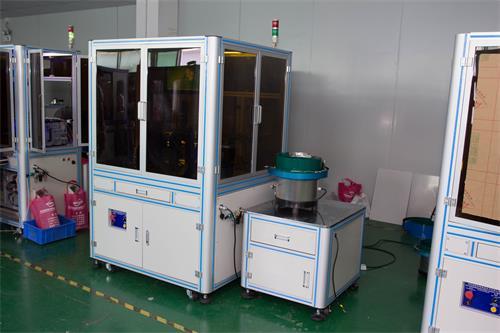
Vision inspection equipment encompasses a range of advanced technologies designed to evaluate and ensure the integrity of optical lenses throughout the manufacturing process. These systems utilize sophisticated algorithms and imaging techniques to detect defects, ensuring that only flawless products reach the consumer.
Types of Vision Inspection Systems
1. **Automated Optical Inspection (AOI)**: This system uses high-resolution cameras to capture detailed images of lenses. Advanced software analyzes these images to identify defects that may not be visible to the naked eye, such as scratches, chips, or misalignments.
2. **Laser Inspection Systems**: These systems utilize laser technology to perform non-contact measurements of lens geometries. They are particularly effective for identifying irregularities in lens curvature or thickness.
3. **Machine Vision Systems**: Incorporating artificial intelligence and deep learning, these systems can adapt and improve over time. They learn from previous inspections and can enhance their ability to detect defects.
Enhancing Production Efficiency Through Vision Inspection
Incorporating vision inspection equipment into the manufacturing workflow can significantly enhance production efficiency. Here’s how:
Reducing Manual Inspection Time
Traditionally, quality control in optical lens manufacturing relied heavily on manual inspection. This process is not only time-consuming but also prone to human error. Vision inspection systems automate this process, allowing manufacturers to pinpoint defects quickly and accurately, thus reducing inspection time and increasing throughput.
Minimizing Waste and Rework
Defective products result in waste and additional costs associated with rework. By implementing vision inspection systems, manufacturers can catch defects early in the production process. This proactive approach minimizes the incidence of waste and rework, ultimately leading to cost savings and improved profitability.
Quality Assurance and Customer Satisfaction
For companies in the optical lens manufacturing industry, maintaining high-quality standards is directly linked to customer satisfaction. Consumers expect flawless products that meet their needs. Vision inspection equipment plays a crucial role in achieving this goal.
Ensuring Consistency Across Batches
With vision inspection systems in place, manufacturers can ensure consistent quality across different production batches. This consistency is essential for maintaining brand integrity and customer loyalty. Regular inspections allow companies to identify trends in defects, enabling them to take corrective actions before issues escalate.
Meeting Regulatory Standards
The optical industry is subject to various regulations and standards that govern product quality. Vision inspection equipment helps manufacturers comply with these regulations by providing documented evidence of quality control processes. This documentation can be critical for both internal audits and external inspections.
Technological Advancements in Vision Inspection Equipment
The landscape of vision inspection equipment is continually evolving, driven by technological advancements. Understanding these innovations can help manufacturers stay ahead of the competition.
Integration of Artificial Intelligence
AI-powered vision inspection systems are revolutionizing the industry. These systems leverage machine learning algorithms that can analyze vast amounts of data quickly. They improve the accuracy of defect detection and reduce the likelihood of false positives, ensuring that only the highest quality lenses are produced.
Real-Time Monitoring and Analytics
Modern vision inspection systems offer real-time monitoring capabilities. This feature allows manufacturers to track quality metrics continuously, enabling immediate adjustments to the production process. By leveraging this data, companies can optimize their operations and enhance overall efficiency.
Cost Considerations and ROI of Vision Inspection Systems
While the initial investment in vision inspection equipment might seem significant, the long-term return on investment (ROI) can be substantial.
Calculating Cost Savings
The reduction in waste, rework, and labor costs associated with manual inspections can lead to considerable savings. By implementing automated systems, manufacturers can streamline their processes, reduce overhead, and improve profitability.
Long-Term Benefits of Quality Assurance
High-quality products lead to satisfied customers, repeat business, and positive referrals. In the competitive optical lens market, maintaining a strong reputation for quality can differentiate a brand from its competitors. This competitive advantage can drive sales and enhance market share.
Best Practices for Implementing Vision Inspection Equipment
To maximize the benefits of vision inspection equipment, manufacturers should follow best practices during implementation.
Choosing the Right Equipment for Your Needs
Not all vision inspection systems are created equal. Manufacturers should assess their specific needs and select equipment that aligns with their production processes. Factors to consider include the type of lenses being produced, production volume, and existing quality control protocols.
Training Employees on New Technologies
Successful implementation also relies on properly training employees to use new vision inspection systems. Ensuring that staff members understand how to operate equipment and interpret results can maximize the effectiveness of these systems.
FAQs About Vision Inspection Equipment in Optical Lens Manufacturing
1. What are the main benefits of using vision inspection equipment in optical lens manufacturing?
The primary benefits include enhanced quality control, reduced waste, increased production efficiency, and improved customer satisfaction.
2. How does automated optical inspection differ from manual inspection?
Automated optical inspection uses technology to capture and analyze images for defects, whereas manual inspection relies on human visual checks, which can be less accurate and more time-consuming.
3. Can vision inspection systems identify all types of defects?
While most vision inspection systems are highly effective at detecting a wide range of defects, no system is infallible. Continuous improvement and updates to the systems enhance their capabilities.
4. What should I consider when choosing vision inspection equipment?
Consider factors such as production volume, the specific types of lenses, existing quality control processes, and budget constraints.
5. How can vision inspection equipment contribute to compliance with industry standards?
Vision inspection systems provide documented quality checks that can be critical for meeting regulatory standards and facilitating audits.
Conclusion
Vision inspection equipment is not just an optional addition to the optical lens manufacturing process; it is a fundamental component that ensures quality, efficiency, and customer satisfaction. By embracing advanced inspection technologies, manufacturers can effectively address the challenges of the optical industry, enhance product quality, and ultimately drive business success. As the market continues to evolve, investing in these systems will be essential for staying competitive and meeting the high standards expected by consumers.
Related News
Contact Us
Ms. Lu: +86-18128878019
Phone: +86 0755-23199519
ADD : Room 302, 402, Building A, Xinpitou Industrial Zone, Kanghong Road, Xinqiang Community, Xinhu Street, Guangming New District, Shenzhen
Online Message
Our team will get in touch with you shortly, so keep an eye on your inbox