

Revolutionizing Rubber Recycling: The Role of Optical Sorting Machines
2025-04-07


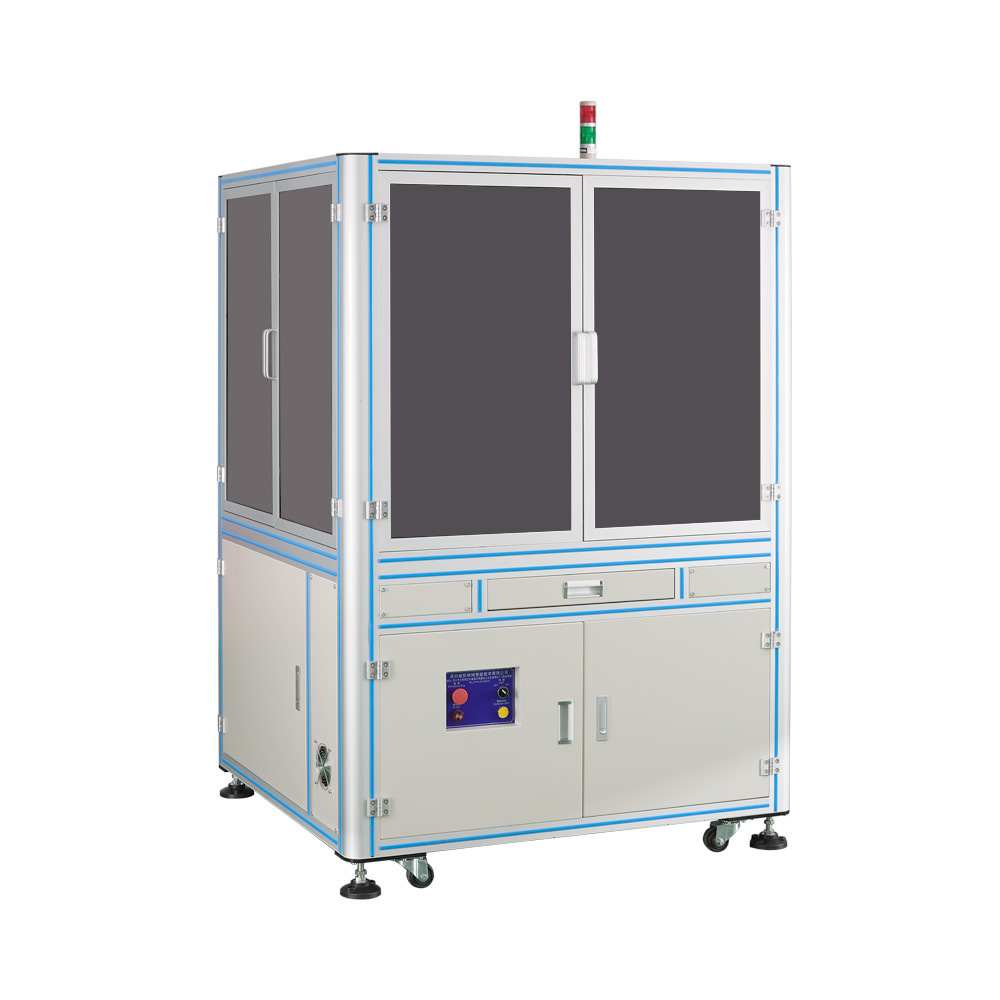
Optical sorting machines have emerged as a game-changing technology in the rubber products industry, particularly for recycling and processing rubber materials. These machines utilize advanced imaging and sensor technologies to identify and separate different types of materials based on color, size, and shape, optimizing the sorting process for rubber products.
One of the primary advantages of optical sorting machines for rubber products is their ability to enhance efficiency in the recycling process. Traditional sorting methods often rely on manual labor and can be time-consuming and prone to errors. In contrast, optical sorting machines automate the process, allowing for faster and more accurate separation of rubber materials. This not only increases productivity but also minimizes human error, ensuring that the final product meets quality standards.
Additionally, optical sorting machines are equipped with high-resolution cameras and sophisticated software that can detect even the smallest differences in material properties. This capability is particularly useful in the rubber industry, where various types of rubber can be present in a single batch. By accurately identifying and sorting these materials, manufacturers can ensure that only the highest quality rubber is used in production, leading to better end products and reduced waste.
The environmental benefits of using optical sorting machines in rubber recycling cannot be overlooked. By improving the efficiency of material recovery, these machines contribute to a more sustainable manufacturing process. They help reduce the amount of rubber waste that ends up in landfills and promote the circular economy by facilitating the reuse of materials. As the focus on sustainability continues to grow in the manufacturing sector, incorporating optical sorting technology becomes increasingly vital.
Moreover, the implementation of optical sorting machines can lead to significant cost savings in the long run. While the initial investment may be substantial, the reduction in labor costs, improved yield, and decreased waste can result in lower operational costs over time. Manufacturers that adopt this technology often find themselves more competitive in the market, as they can produce high-quality rubber products at a lower cost.
In conclusion, optical sorting machines for rubber products represent a significant advancement in the manufacturing and recycling processes within the rubber industry. Their ability to automate sorting, enhance efficiency, and promote sustainability makes them an invaluable asset for manufacturers looking to improve their operations. As technology continues to evolve, the role of optical sorting machines will undoubtedly become even more critical in shaping the future of rubber product manufacturing.
Contact Us
Ms. Lu: +86-18128878019
Phone: +86 0755-23199519
ADD : Room 302, 402, Building A, Xinpitou Industrial Zone, Kanghong Road, Xinqiang Community, Xinhu Street, Guangming New District, Shenzhen
Online Message
Our team will get in touch with you shortly, so keep an eye on your inbox




