

Understanding Automatic Optical Inspection Equipment: Enhancing Quality Control in Optical Lens Manufacturing
2026-11-19


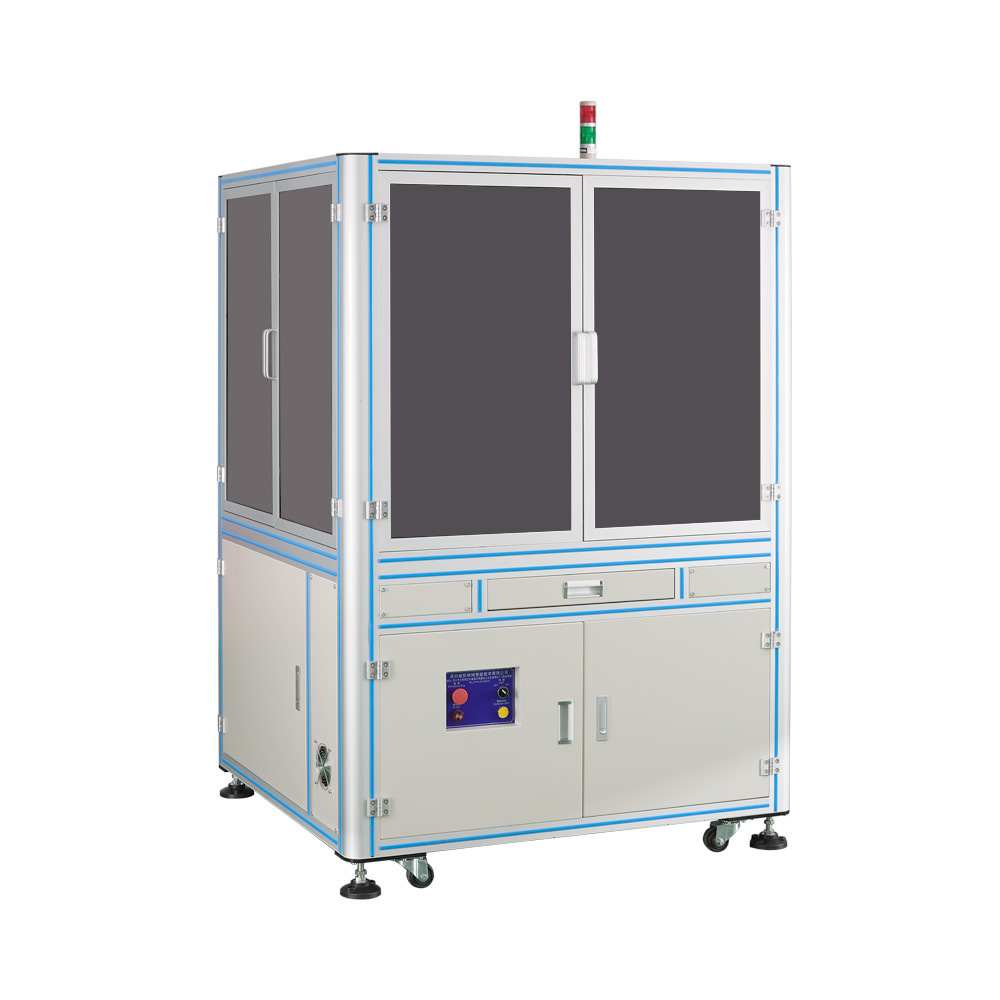
In the realm of optical lens and instrument manufacturing, maintaining the highest quality standards is paramount. Automatic optical inspection (AOI) equipment plays a crucial role in this process. AOI utilizes advanced imaging technology and sophisticated algorithms to inspect the surface and dimensional attributes of optical components automatically. This automated approach allows manufacturers to detect defects, measure critical parameters, and ensure that optical products meet stringent quality requirements.
One of the primary advantages of AOI equipment is its ability to perform inspections at high speeds without compromising accuracy. Traditional inspection methods, often reliant on human inspectors, can be time-consuming and prone to errors. In contrast, AOI systems can rapidly analyze a large number of lenses or components, providing real-time feedback on quality issues. This speed not only accelerates production timelines but also enables manufacturers to identify and address defects early in the production process, preventing costly rework or scrap.
AOI equipment leverages various imaging techniques, including monochrome and color imaging, to capture detailed images of the optical surfaces being inspected. These images are then processed using machine vision algorithms that can identify a wide range of defects, such as scratches, dust particles, and misalignments. Moreover, modern AOI systems often incorporate artificial intelligence (AI) to enhance their detection capabilities, allowing them to learn from past inspections and improve their accuracy over time.
In addition to defect detection, AOI equipment can also measure critical geometric features of optical lenses, such as curvature, thickness, and diameter. These measurements are essential for ensuring that lenses meet specific design specifications and performance criteria. By automating these measurements, manufacturers can achieve a higher level of precision and consistency in their products, which is especially important in applications where optical performance is critical.
Another benefit of AOI equipment is its ability to generate comprehensive inspection reports that provide valuable insights into production quality. These reports can help manufacturers track trends, identify recurring issues, and implement corrective actions to improve overall production processes. By integrating AOI systems into their quality control strategies, manufacturers can enhance their reputation for quality while reducing costs associated with defects and returns.
In conclusion, automatic optical inspection equipment is a vital tool for manufacturers of optical lenses and instruments, enabling them to achieve high-quality standards efficiently. With its capacity for rapid inspection, precise measurement, and detailed reporting, AOI technology plays a transformative role in the optical manufacturing industry, driving improvements in quality control and operational efficiency. As the demand for high-performance optical products continues to grow, the adoption of AOI systems will likely become even more essential for manufacturers seeking to maintain a competitive edge.
Contact Us
Ms. Lu: +86-18128878019
Phone: +86 0755-23199519
ADD : Room 302, 402, Building A, Xinpitou Industrial Zone, Kanghong Road, Xinqiang Community, Xinhu Street, Guangming New District, Shenzhen
Online Message
Our team will get in touch with you shortly, so keep an eye on your inbox




