

Revolutionizing Quality Control: The Role of CCD Visual Inspection Automated Equipment
2025-09-01


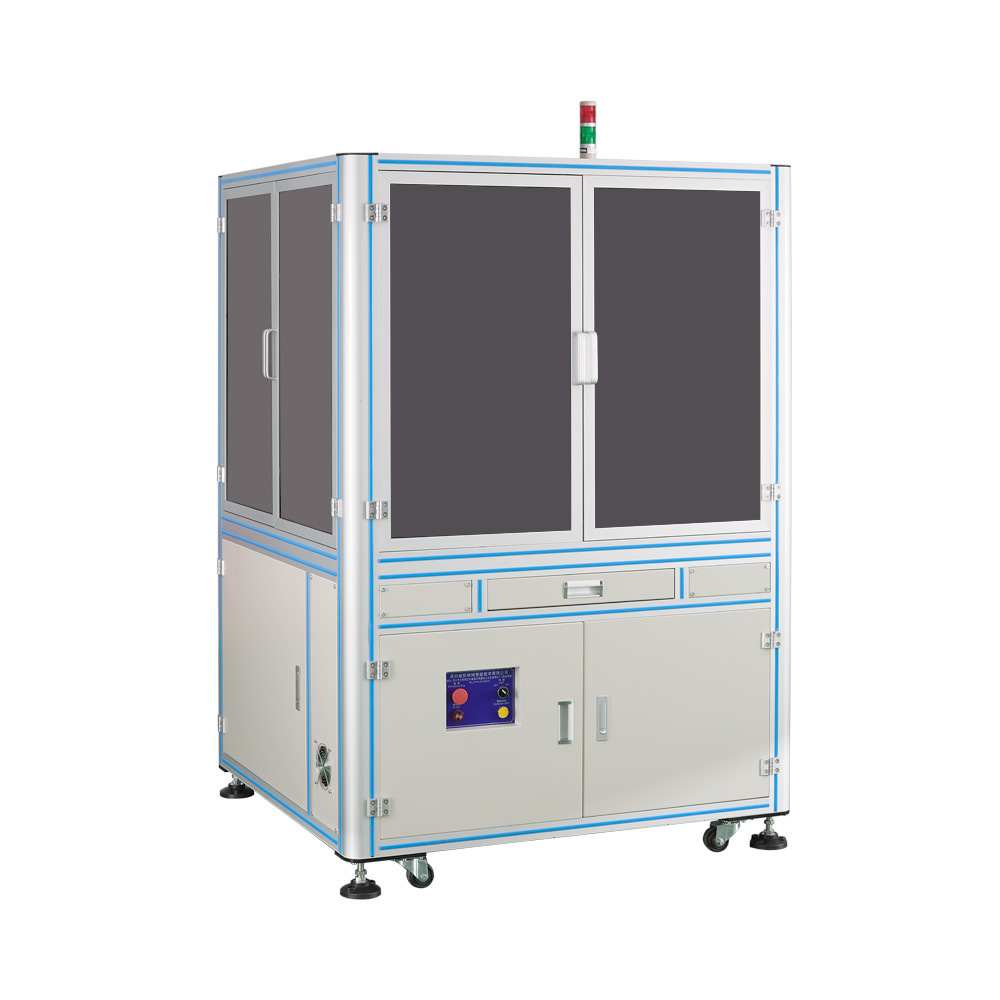
In the realm of optical instruments, quality assurance is paramount. One of the most significant advancements in this area is the development of CCD (Charge-Coupled Device) visual inspection automated equipment. This technology has revolutionized how manufacturers ensure the integrity and precision of optical lenses and instruments. CCD visual inspection systems leverage advanced imaging techniques to deliver high-resolution, real-time inspection capabilities that surpass traditional methods.
At the core of CCD visual inspection automated equipment is the CCD sensor, which captures light and converts it into electronic signals for processing. This technology enables the identification of defects that may not be visible to the naked eye, such as microscopic scratches, dust particles, or irregularities in lens coatings. The high sensitivity and resolution of CCD sensors make them ideal for inspecting the subtle variations in optical components, ensuring that only products meeting strict quality criteria proceed through the production line.
One of the key benefits of integrating CCD visual inspection systems into manufacturing processes is the significant increase in efficiency. Automated inspection reduces the need for manual checks, which are time-consuming and prone to human error. By employing CCD visual inspection equipment, manufacturers can achieve faster throughput while maintaining high standards of quality control. This not only enhances productivity but also reduces waste and rework costs, ultimately contributing to improved profitability.
Moreover, CCD visual inspection automated equipment offers unparalleled consistency in quality assurance. Unlike human inspectors, who may have varying levels of diligence and skill, automated systems deliver uniform results every time. This consistency is crucial in industries where even the smallest deviations can lead to product failure or safety issues. Implementing such technology also allows for comprehensive data collection and analysis, enabling manufacturers to track trends and make informed decisions regarding process improvements.
The applications of CCD visual inspection equipment extend beyond simple defect detection. In the optical industry, these systems can also be utilized for dimensional measurements, ensuring that each lens or optical component adheres to exact specifications. Additionally, they can be integrated into existing production lines with minimal disruption, making them a versatile solution for a wide range of manufacturing environments.
In summary, CCD visual inspection automated equipment plays a pivotal role in advancing quality control within the optical lens and instrument sector. By harnessing the capabilities of CCD technology, manufacturers can achieve higher levels of precision, efficiency, and reliability in their inspection processes. As the demand for high-quality optical products continues to grow, the adoption of such innovative solutions will undoubtedly enhance competitive advantages in the marketplace.
Contact Us
Ms. Lu: +86-18128878019
Phone: +86 0755-23199519
ADD : Room 302, 402, Building A, Xinpitou Industrial Zone, Kanghong Road, Xinqiang Community, Xinhu Street, Guangming New District, Shenzhen
Online Message
Our team will get in touch with you shortly, so keep an eye on your inbox




