

Revolutionize Your Sorting Process with CCD Indexing Plate Screening Machines
2025-11-26


Revolutionize Your Sorting Process with CCD Indexing Plate Screening Machines
Table of Contents
- 1. Introduction to CCD Indexing Plate Screening Machines
- 2. What Are CCD Indexing Plate Screening Machines?
- 3. How CCD Indexing Plate Screening Machines Work
- 4. Benefits of Using CCD Indexing Plate Screening Machines
- 5. Applications of CCD Indexing Plate Screening Machines
- 6. Maintenance and Care for CCD Indexing Plate Screening Machines
- 7. The Future of Sorting Technology
- 8. Conclusion
- 9. FAQs
1. Introduction to CCD Indexing Plate Screening Machines
In the fast-paced world of manufacturing and processing, achieving efficient sorting and separation of materials is crucial. The introduction of **CCD Indexing Plate Screening Machines** has revolutionized this aspect of production. These machines stand out by providing precise sorting capabilities, which significantly enhance overall productivity.
As industries continuously seek ways to optimize their operations, understanding the functionality and advantages of CCD Indexing Plate Screening Machines is vital. This article delves deep into how these machines work, their benefits, applications, and future prospects in the sorting industry.
2. What Are CCD Indexing Plate Screening Machines?
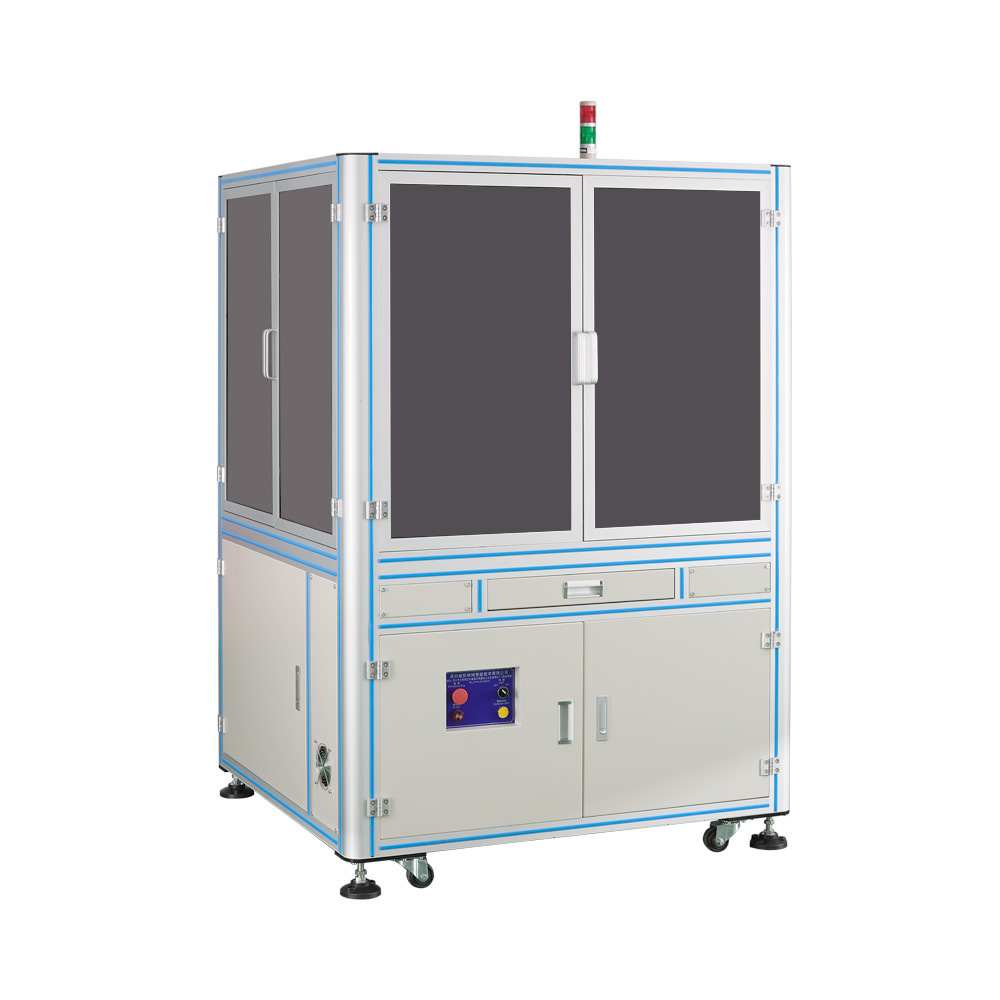
CCD Indexing Plate Screening Machines utilize a combination of advanced technology and innovative design to facilitate the efficient sorting of materials. These machines are characterized by their use of **charge-coupled device (CCD)** technology, which ensures high accuracy in the separation process. By employing a unique indexing plate system, they allow for the systematic sorting of various materials, including aggregates, minerals, and recycling materials.
The primary function of these machines is to separate materials based on size, density, or other physical characteristics, making them an essential component in various industries, including construction, mining, and waste management.
3. How CCD Indexing Plate Screening Machines Work
Understanding the operational mechanism of CCD Indexing Plate Screening Machines provides insights into their effectiveness. The functioning of these machines can be broken down into several key components:
3.1 CCD Technology
At the heart of these screening machines is the **CCD sensor technology**, which captures high-resolution images of the materials during the sorting process. This technology allows for real-time analysis, enabling the machine to make accurate sorting decisions based on pre-programmed criteria.
3.2 Indexing Plate System
The **indexing plate** serves as a pivotal element that moves the materials through various stages of separation. As materials pass over the plates, the CCD sensors continuously monitor their characteristics, enabling precise classification.
3.3 Automated Sorting Process
Once the CCD sensors identify the characteristics of the materials, the system automatically sorts them into designated areas. This automation reduces the need for manual labor and minimizes human error, resulting in higher efficiency and throughput.
4. Benefits of Using CCD Indexing Plate Screening Machines
The adoption of CCD Indexing Plate Screening Machines offers numerous advantages that can significantly impact operational efficiency and product quality.
4.1 Enhanced Accuracy
One of the standout benefits is **enhanced accuracy** in sorting. The CCD technology ensures that materials are classified with precision, minimizing the chances of misclassification.
4.2 Increased Efficiency
With automated processes and rapid sorting capabilities, these machines drastically improve the **efficiency** of sorting operations. Companies can handle larger volumes of materials in less time, directly influencing productivity levels.
4.3 Cost-Effectiveness
Despite the initial investment, CCD Indexing Plate Screening Machines prove to be cost-effective in the long run. Their efficiency reduces labor costs, minimizes waste, and maximizes output quality.
4.4 Versatility
These machines can adapt to various materials and sorting requirements, making them suitable for multiple industries. Whether dealing with aggregates, plastics, or recyclables, CCD machines can handle diverse tasks.
5. Applications of CCD Indexing Plate Screening Machines
The versatility of CCD Indexing Plate Screening Machines allows them to thrive in various settings. Here are some prevalent applications:
5.1 Mining and Mineral Processing
In the mining industry, these machines are integral for sorting minerals based on size and density, enhancing material recovery rates.
5.2 Recycling Facilities
Recycling centers utilize CCD machines to efficiently separate different types of recyclable materials, such as metals, plastics, and paper, promoting environmental sustainability.
5.3 Construction Industry
In construction, these machines assist in sorting aggregates and materials, ensuring that the right components are used for building projects.
5.4 Food Processing
The food industry uses CCD Indexing Plate Screening Machines for sorting and grading food items, ensuring quality control and compliance with safety standards.
6. Maintenance and Care for CCD Indexing Plate Screening Machines
To maximize the lifespan and efficiency of CCD Indexing Plate Screening Machines, proper maintenance and care are essential.
6.1 Regular Inspections
Conducting regular inspections of the machinery helps identify wear and tear, ensuring timely repairs and replacements.
6.2 Cleaning Protocols
Implementing thorough cleaning routines prevents material buildup that could hinder machine performance. This is particularly crucial in food processing applications to maintain hygiene standards.
6.3 Software Updates
Keeping the machine's software up to date ensures that the latest features and improvements are utilized, enhancing sorting capabilities.
7. The Future of Sorting Technology
As technology continues to evolve, the future of sorting technology looks promising. Innovations in artificial intelligence and machine learning are poised to further enhance the capabilities of CCD Indexing Plate Screening Machines. These advancements will likely lead to even greater accuracy, efficiency, and adaptability in sorting processes across various industries.
Moreover, as sustainability becomes a priority, the demand for efficient sorting solutions in recycling and waste management will drive the evolution of these machines. Investing in advanced sorting technologies will be essential for businesses aiming to stay competitive and environmentally responsible.
8. Conclusion
The **CCD Indexing Plate Screening Machines** have brought a transformative change to sorting processes across industries. Their combination of advanced CCD technology and efficient indexing systems enables precise, fast, and cost-effective sorting solutions. By understanding their operation, benefits, and applications, businesses can leverage these machines to optimize their sorting processes and enhance overall productivity. As we look toward the future, the ongoing evolution of sorting technology promises even greater advancements, solidifying the role of CCD machines as indispensable assets in modern manufacturing and processing.
9. FAQs
9.1 What materials can be sorted using CCD Indexing Plate Screening Machines?
CCD Indexing Plate Screening Machines can sort a wide range of materials, including aggregates, minerals, plastics, metals, and food items.
9.2 How does CCD technology improve sorting accuracy?
CCD technology captures high-resolution images of materials, allowing for real-time analysis and precise classification based on specific characteristics.
9.3 Are CCD Indexing Plate Screening Machines cost-effective?
Yes, while the initial investment may be significant, the long-term benefits of increased efficiency and reduced labor costs make them a cost-effective solution.
9.4 What industries benefit from using CCD Indexing Plate Screening Machines?
These machines are widely used in industries such as mining, recycling, construction, and food processing.
9.5 How often should CCD Indexing Plate Screening Machines be maintained?
Regular inspections and maintenance should be conducted based on usage frequency, but routine cleaning and software updates are recommended to ensure optimal performance.
Contact Us
Ms. Lu: +86-18128878019
Phone: +86 0755-23199519
ADD : Room 302, 402, Building A, Xinpitou Industrial Zone, Kanghong Road, Xinqiang Community, Xinhu Street, Guangming New District, Shenzhen
Online Message
Our team will get in touch with you shortly, so keep an eye on your inbox




