

Why CCD Visual Inspection Equipment is Essential for Optical Lens Manufacturing
2025-11-30


Why CCD Visual Inspection Equipment is Essential for Optical Lens Manufacturing
Introduction to Optical Lens Manufacturing
The world of optical lens manufacturing is intricate and highly specialized. As demand for high-quality optical products grows, manufacturers must prioritize precision and consistency in their production processes. This is where **Charge-Coupled Device (CCD) visual inspection equipment** comes into play, offering advanced solutions that enhance quality control and operational efficiency.
Understanding CCD Technology
What is CCD Technology?
CCD technology involves a semiconductor device that converts light into electronic signals. This conversion allows for high-resolution imaging, capturing minute details essential for thorough inspection in optical lens manufacturing. CCDs are widely favored in various applications due to their superior image quality and dynamic range.
The Role of CCD in Visual Inspection
In visual inspection, CCD cameras serve as the eyes of automated systems. They evaluate the surface quality, dimensional accuracy, and other critical parameters of optical lenses, ensuring that only products meeting stringent standards proceed to the next stage of manufacturing.
The Importance of Visual Inspection in Optical Lens Production
Quality Assurance
Maintaining quality assurance throughout the optical lens production process is crucial. Defects such as scratches, bubbles, or misalignments can lead to significant performance issues in final products. Implementing CCD visual inspection equipment allows manufacturers to detect these defects early, minimizing waste and reducing costs.
Process Efficiency
Incorporating CCD visual inspection systems into manufacturing processes greatly enhances efficiency. Automated inspection reduces the time required for manual checks, allowing for faster production rates without compromising quality. This streamlined approach ensures that manufacturers can meet rising consumer demands effectively.
Benefits of CCD Visual Inspection Equipment
High Precision and Accuracy
One of the primary advantages of using CCD visual inspection equipment is its **high precision and accuracy**. CCD sensors can detect minute variations in lens characteristics, ensuring that only lenses that meet exact specifications are produced. This precision is vital for applications such as photography, medical devices, and aerospace.
Real-Time Data Analysis
Modern CCD visual inspection systems often come equipped with real-time data analytics capabilities. This feature allows manufacturers to monitor production quality continuously, enabling immediate corrective actions if any anomalies are detected. Such responsiveness is crucial for maintaining high standards in a competitive market.
Cost-Effectiveness
While the initial investment in CCD technology may be significant, the long-term savings it provides make it a cost-effective solution. By reducing the rate of defective products and improving overall production efficiency, manufacturers can see substantial returns on their investment.
Implementing CCD Visual Inspection Systems in Manufacturing
Choosing the Right Equipment
When selecting CCD visual inspection equipment, it is essential to consider factors such as resolution, speed, and compatibility with existing systems. Manufacturers should evaluate their specific needs and choose equipment that aligns with their production goals.
Integration with Existing Processes
Integrating CCD inspection systems into the current production workflow requires careful planning. Manufacturers should assess how the new technology will fit within existing processes to ensure a seamless transition. Training staff on the new systems is equally important to maximize the benefits of the technology.
Case Studies: CCD Visual Inspection in Action
Improving Quality in High-Volume Production
A leading optical lens manufacturer implemented CCD visual inspection equipment in their high-volume production line. By automating the inspection process, they reported a **30% reduction in defects** and a significant decrease in production downtime. This case highlights the efficiency and reliability of CCD systems in high-stakes environments.
Enhancing Custom Lens Production
Another manufacturer specializing in custom lenses adopted CCD technology to enhance quality control. By utilizing high-resolution imaging, they could ensure that each lens met specific customer requirements. This adoption not only improved customer satisfaction but also increased repeat business.
Future Trends in Optical Lens Manufacturing and Inspection Technology
AI and Machine Learning Integration
Looking forward, the integration of **artificial intelligence (AI)** and **machine learning** with CCD visual inspection systems is on the rise. These technologies promise to enhance defect detection capabilities, enabling even more sophisticated analysis and predictive maintenance.
Advancements in Imaging Technology
As imaging technology continues to evolve, we can expect CCD sensors to become even more powerful, providing higher resolutions and faster processing speeds. This advancement will further revolutionize the optical lens manufacturing industry by pushing the boundaries of quality and efficiency.
FAQs about CCD Visual Inspection Equipment
What is CCD visual inspection equipment?
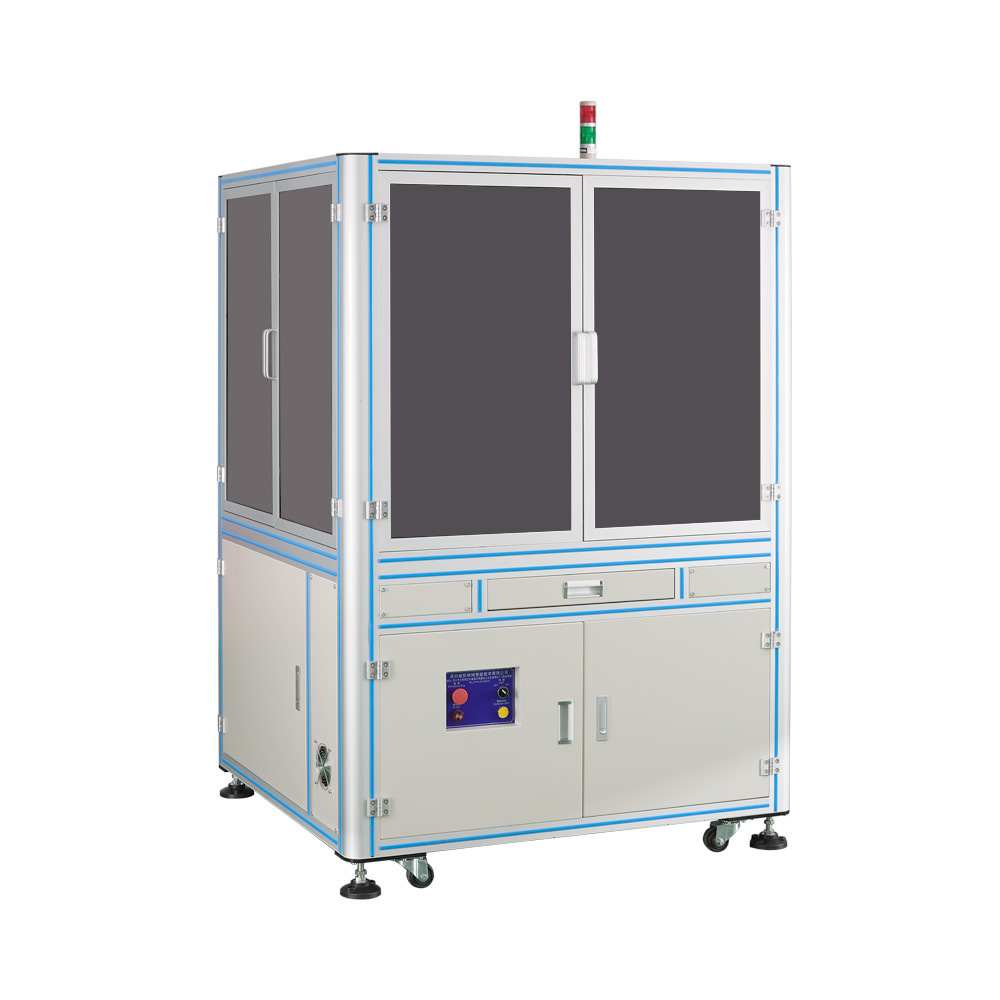
CCD visual inspection equipment utilizes Charge-Coupled Device technology to capture high-resolution images of optical lenses, allowing for detailed quality inspection and analysis.
How does CCD technology improve optical lens manufacturing?
CCD technology enhances optical lens manufacturing by increasing precision in defect detection, reducing waste, and improving overall production efficiency.
Can CCD visual inspection systems be integrated with existing manufacturing processes?
Yes, CCD visual inspection systems can be integrated with existing processes; careful planning and staff training are essential for successful implementation.
What factors should be considered when choosing CCD visual inspection equipment?
When choosing CCD visual inspection equipment, consider resolution, speed, cost, and compatibility with your current manufacturing processes.
What are the future trends in optical lens inspection technology?
Future trends include the integration of AI and machine learning for enhanced analysis, as well as advancements in imaging technology to improve resolution and processing speeds.
Conclusion
The importance of **CCD visual inspection equipment** in optical lens manufacturing cannot be overstated. It provides manufacturers with the tools they need to maintain high quality, enhance efficiency, and meet the growing demands of the market. As technology continues to advance, embracing these innovations will be crucial for staying competitive in the ever-evolving landscape of optical lens production. The transition to automated inspection systems paves the way for a future where quality assurance is both robust and efficient, ensuring that the optical lenses produced meet the highest standards of excellence.
Contact Us
Ms. Lu: +86-18128878019
Phone: +86 0755-23199519
ADD : Room 302, 402, Building A, Xinpitou Industrial Zone, Kanghong Road, Xinqiang Community, Xinhu Street, Guangming New District, Shenzhen
Online Message
Our team will get in touch with you shortly, so keep an eye on your inbox




