

Unlocking Precision: The Role of CCD Visual Inspection Equipment in Optical Lens Quality Control
2025-12-10


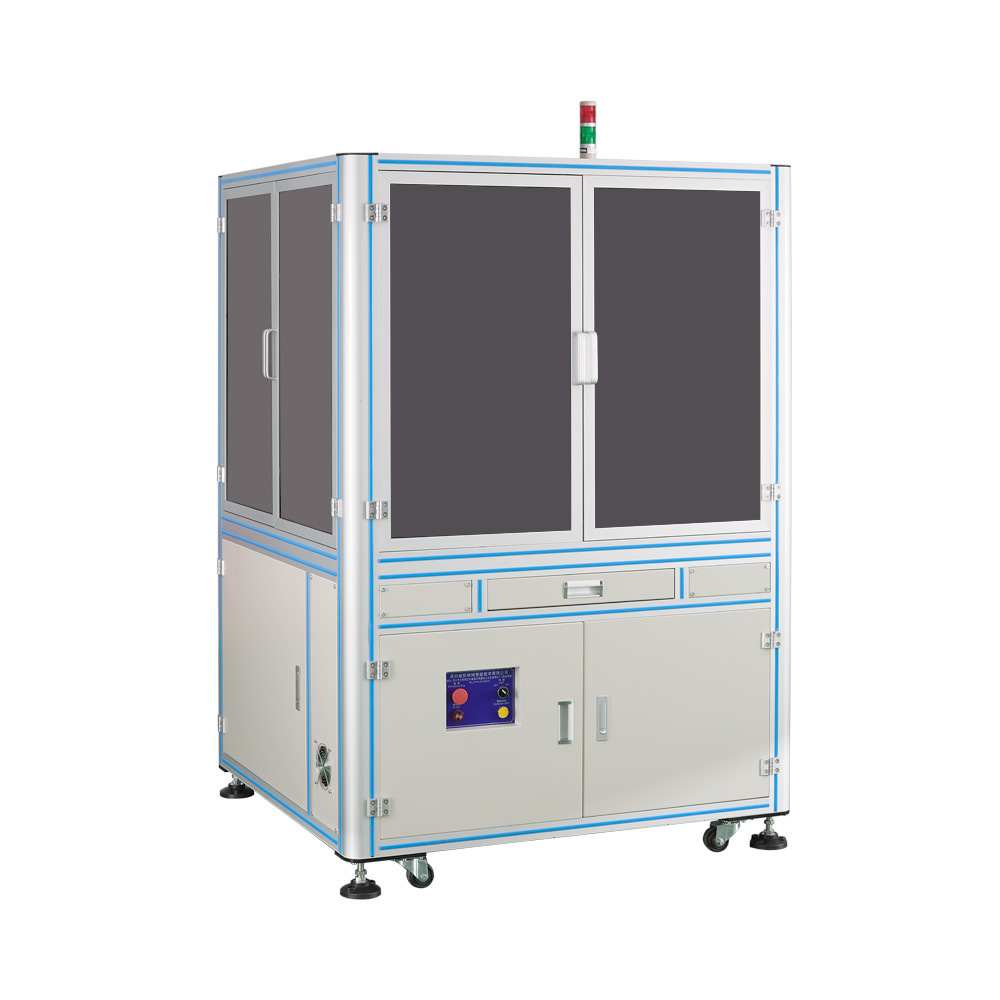
In the realm of optical lenses and instruments, quality assurance is paramount. One critical component in achieving high standards of quality control is the utilization of CCD visual inspection equipment. Charge-Coupled Device (CCD) technology has revolutionized the way manufacturers inspect and assure the quality of their products. This article provides insights into the functionality and advantages of CCD visual inspection equipment, particularly in relation to optical lenses.
CCD visual inspection equipment operates by capturing high-resolution images of the lenses being examined. The technology utilizes an array of light-sensitive sensors that convert light into electronic signals, enabling precise image analysis. This image clarity is crucial in identifying defects such as scratches, bubbles, and inconsistencies in the lens surface that may not be visible to the naked eye. By implementing such advanced equipment, manufacturers can significantly reduce the risk of defects reaching the end consumer.
One notable advantage of CCD visual inspection is its ability to perform rapid inspections with a high degree of accuracy. Unlike traditional methods that may rely on subjective human observation, CCD systems provide standardized assessments. This standardization not only improves consistency in quality control but also enhances overall productivity, allowing manufacturers to process larger volumes of lenses in shorter timeframes.
In addition to improving efficiency, CCD visual inspection equipment also plays a vital role in data collection and analysis. By integrating these systems with software solutions, manufacturers can track defect patterns and analyze trends over time. This data-driven approach empowers companies to make informed decisions about their production processes, leading to continuous improvement and enhancement of product quality.
Moreover, the versatility of CCD visual inspection equipment allows it to be adapted for various applications within the optical lens industry. Whether inspecting camera lenses, eyeglasses, or high-performance optical components, CCD systems can be tailored to meet specific requirements. This adaptability ensures that different types of lenses can be evaluated under uniform standards, further promoting quality assurance across diverse product lines.
In conclusion, CCD visual inspection equipment represents a pivotal advancement in the optical lens and instrumentation industry. Its ability to enhance precision, efficiency, and data analysis makes it an indispensable tool for quality control. By investing in such technology, manufacturers can not only ensure the reliability of their products but also maintain a competitive edge in an increasingly demanding market. Embracing CCD technology is not just about keeping up with trends; it is about setting new standards in quality and excellence.
Contact Us
Ms. Lu: +86-18128878019
Phone: +86 0755-23199519
ADD : Room 302, 402, Building A, Xinpitou Industrial Zone, Kanghong Road, Xinqiang Community, Xinhu Street, Guangming New District, Shenzhen
Online Message
Our team will get in touch with you shortly, so keep an eye on your inbox




