

Unlocking Efficiency: The Critical Role of Oil Seal Optical Sorting Machines in Modern Manufacturing
2025-12-12


Unlocking Efficiency: The Critical Role of Oil Seal Optical Sorting Machines in Modern Manufacturing
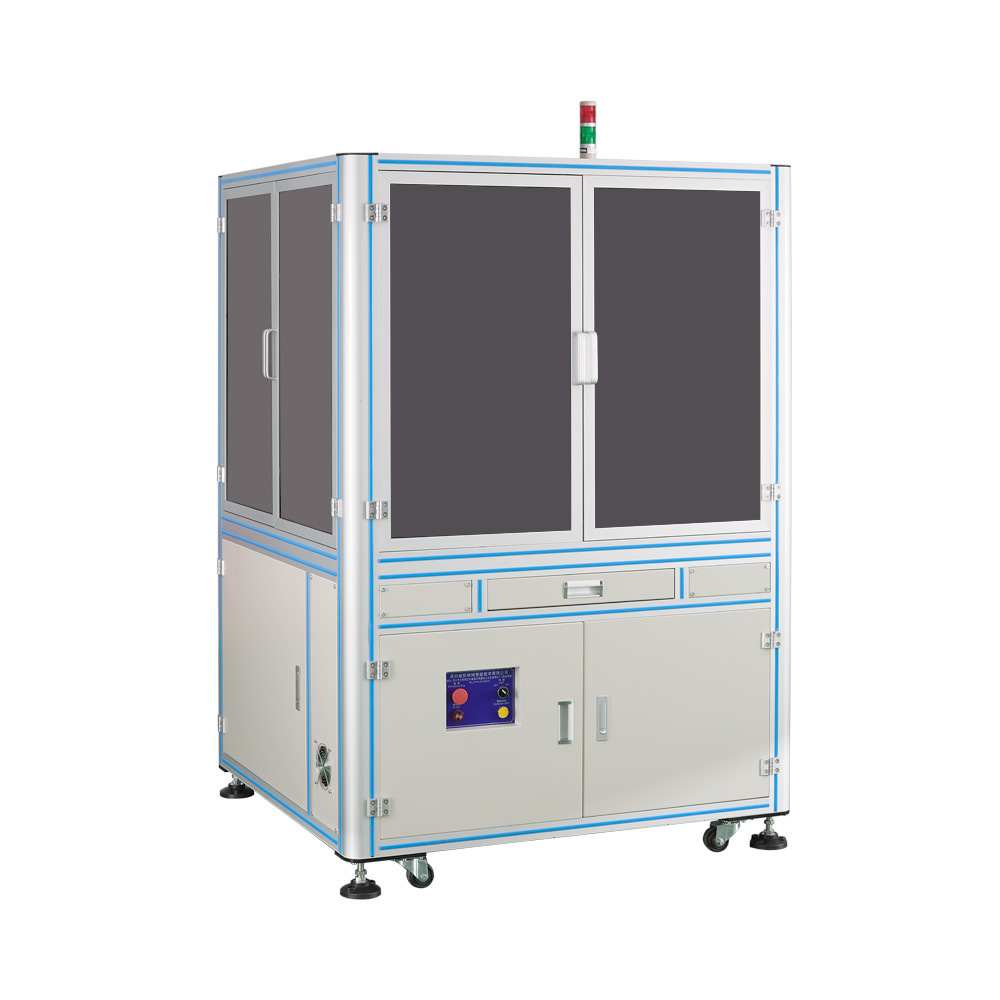
Manufacturing industries are continuously evolving, driven by the need for greater **efficiency**, **accuracy**, and **cost-effectiveness**. Among the various technologies reshaping this landscape, oil seal optical sorting machines stand out as essential assets. These machines leverage advanced optical sorting technologies to enhance the quality and efficiency of production processes, particularly in the separation and sorting of materials. This article will explore the role of oil seal optical sorting machines in modern manufacturing, detailing their functions, advantages, applications, and future perspectives.
Table of Contents
1. Introduction to Oil Seal Optical Sorting Machines
2. How Oil Seal Optical Sorting Machines Work
3. Benefits of Optical Sorting Machines in Manufacturing
4. Applications of Oil Seal Optical Sorting Machines
5. The Future of Oil Seal Optical Sorting Machines
6. Challenges in Implementing Optical Sorting Machines
7. Case Studies: Successful Implementations
8. Frequently Asked Questions
9. Conclusion
Introduction to Oil Seal Optical Sorting Machines
Oil seal optical sorting machines are advanced technological solutions specifically designed to improve the sorting efficiency of various materials. These machines utilize sophisticated optical sensors and image processing algorithms to identify and segregate materials based on specific characteristics such as size, color, and shape. In today's manufacturing environment, where precision and speed are paramount, the integration of such machines can lead to significant enhancements in operational efficiency and product quality.
How Oil Seal Optical Sorting Machines Work
The operation of oil seal optical sorting machines revolves around several key components that work in harmony to achieve precise sorting:
1. Optical Sensors
At the heart of these machines are **high-resolution optical sensors**. These sensors capture images of the materials as they pass through the sorting system. They can detect minute differences in color, texture, and shape, enabling the machine to classify materials with high accuracy.
2. Image Processing Algorithms
After capturing images, the data is processed using **advanced algorithms** that analyze the characteristics of each item. This real-time analysis allows the machine to make instantaneous sorting decisions, enhancing productivity.
3. Ejection Mechanism
Once the sorting decision is made, an **ejection mechanism** is activated. This mechanism quickly and accurately removes unwanted materials from the production line. The precision of the ejection system ensures minimal loss of good product, thus maximizing yield.
4. Feedback Systems
Modern oil seal optical sorting machines are equipped with **feedback systems** that continuously monitor performance. This feature allows for adjustments in real-time, ensuring optimal sorting efficiency and accuracy throughout the manufacturing process.
Benefits of Optical Sorting Machines in Manufacturing
Integrating oil seal optical sorting machines into manufacturing processes offers numerous benefits:
1. Enhanced Efficiency
The speed and accuracy of optical sorting significantly reduce the time taken to sort materials. This leads to improved production rates and a more streamlined manufacturing process.
2. Improved Product Quality
By accurately identifying and removing defective products, these machines enhance the overall quality of the output. This results in fewer customer complaints and greater satisfaction.
3. Cost Savings
Investing in optical sorting technology can lead to substantial cost savings over time. By reducing waste and improving yield, manufacturers can lower operational costs and increase profitability.
4. Versatility
Oil seal optical sorting machines can be adapted for various materials and industries, making them a versatile tool in the manufacturing arsenal. They can handle everything from food products to industrial materials, providing flexibility across different applications.
5. Environmental Benefits
By improving sorting accuracy, these machines help minimize waste and environmental impact. They contribute to more sustainable manufacturing practices by ensuring that materials are reused or recycled effectively.
Applications of Oil Seal Optical Sorting Machines
Oil seal optical sorting machines find applications across various sectors:
1. Food Industry
In the food industry, these machines are used to sort fruits, vegetables, and nuts based on ripeness and quality. This not only enhances product quality but also ensures compliance with health standards.
2. Recycling Industry
The recycling sector benefits significantly from optical sorting technologies. These machines efficiently separate recyclable materials from waste, ensuring a higher recovery rate and promoting sustainability.
3. Mining and Minerals
In mining, oil seal optical sorting machines are used to separate valuable minerals from waste rock. This increases the efficiency of resource extraction and reduces operational costs.
4. Plastics and Textiles
In the plastics and textiles industry, optical sorting machines play a crucial role in identifying and segregating materials for recycling, ensuring that the manufacturing process is as sustainable as possible.
The Future of Oil Seal Optical Sorting Machines
As technology continues to advance, the future of oil seal optical sorting machines looks promising. Innovations such as artificial intelligence and machine learning are poised to enhance the capabilities of these machines further. These technologies will enable even more sophisticated sorting techniques, allowing manufacturers to achieve unprecedented levels of efficiency and accuracy.
Challenges in Implementing Optical Sorting Machines
While the benefits are clear, the implementation of oil seal optical sorting machines is not without challenges. Understanding these obstacles can prepare manufacturers for successful integration:
1. Initial Investment
The upfront cost of acquiring advanced optical sorting technology can be significant. Manufacturers must weigh the long-term savings against the initial investment.
2. Training and Adaptation
Employees may require training to effectively operate and maintain new optical sorting machines. Ensuring a smooth transition and adaptation to new technologies can pose challenges in the workforce.
3. Maintenance Requirements
Like any advanced machinery, oil seal optical sorting machines require regular maintenance to operate optimally. Manufacturers must be prepared for the time and resources needed to maintain these systems.
Case Studies: Successful Implementations
Examining real-world applications can provide insight into the effectiveness of oil seal optical sorting machines:
1. Case Study: Food Processing Plant
A leading food processing plant implemented oil seal optical sorting machines to enhance the quality of its produce. The result was a 30% reduction in waste and a significant increase in customer satisfaction due to improved product quality.
2. Case Study: Recycling Facility
A recycling facility adopted optical sorting technology to streamline its operations. The facility reported a 40% increase in the recovery of recyclable materials, significantly boosting profitability and promoting environmental sustainability.
Frequently Asked Questions
1. What is an oil seal optical sorting machine?
An oil seal optical sorting machine is a device that uses advanced optical technology to identify and sort materials based on specific characteristics, enhancing the efficiency of manufacturing processes.
2. How does optical sorting improve manufacturing efficiency?
Optical sorting improves manufacturing efficiency by rapidly and accurately identifying and segregating materials, reducing the time spent on manual sorting and increasing production rates.
3. What industries benefit from optical sorting machines?
Industries such as food processing, recycling, mining, and textiles benefit significantly from optical sorting machines due to their ability to enhance product quality and operational efficiency.
4. Are there any challenges associated with implementing optical sorting machines?
Yes, challenges include the initial investment cost, the need for employee training, and ongoing maintenance requirements.
5. What does the future hold for optical sorting technology?
The future of optical sorting technology includes advancements in artificial intelligence and machine learning, which will enhance sorting accuracy and efficiency even further.
Conclusion
Oil seal optical sorting machines represent a significant advancement in manufacturing technology. By enhancing efficiency, improving product quality, and promoting sustainability, these machines have become critical tools in modern manufacturing processes. As industries continue to evolve, the role of optical sorting technology will only grow, paving the way for a more efficient and sustainable manufacturing future.
Contact Us
Ms. Lu: +86-18128878019
Phone: +86 0755-23199519
ADD : Room 302, 402, Building A, Xinpitou Industrial Zone, Kanghong Road, Xinqiang Community, Xinhu Street, Guangming New District, Shenzhen
Online Message
Our team will get in touch with you shortly, so keep an eye on your inbox




