

The Evolution of CCD Visual Inspection in Modern Industries
2026-01-21


Image Source: unsplash
Understanding CCD Visual Inspection
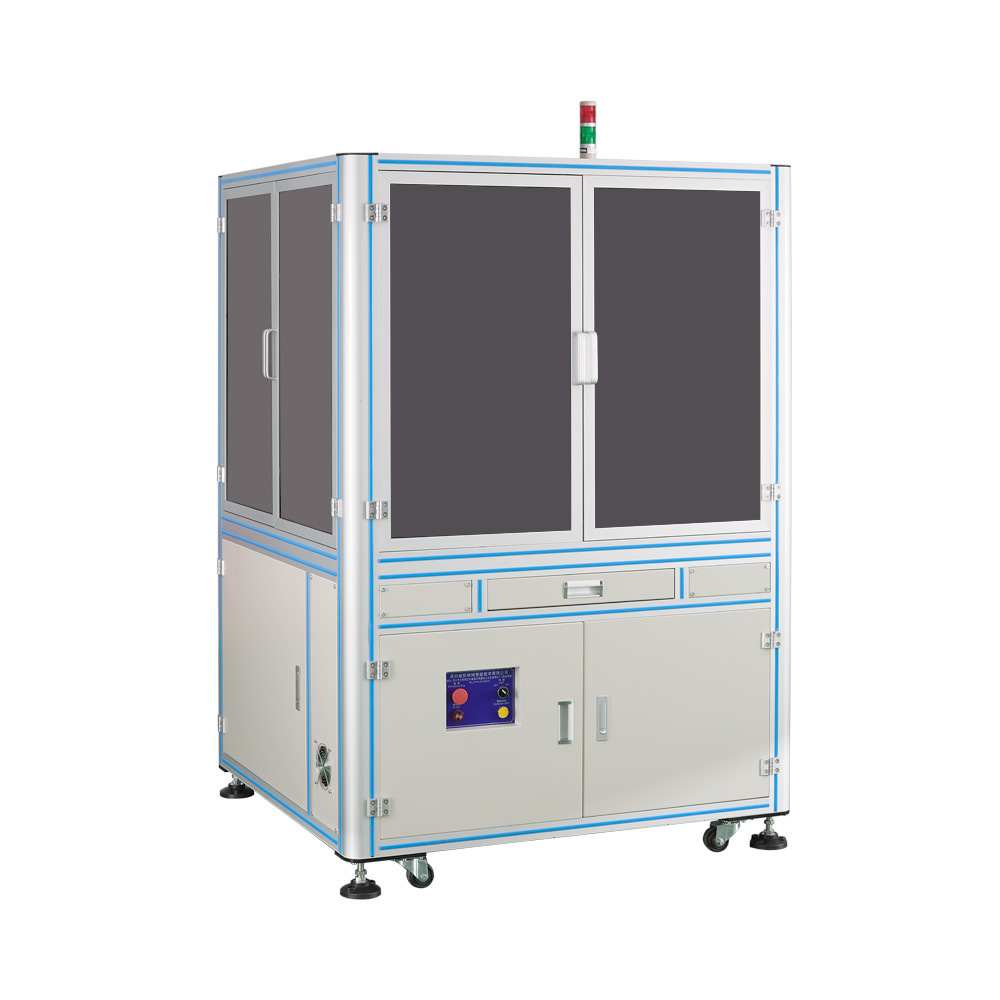
In the world of quality control, precision is key, and that's where CCD visual inspection comes into play. But what exactly is it? Simply put, it's a process that leverages charge-coupled device (CCD) technology to scrutinize products for defects. This method is becoming increasingly popular in various industries, from manufacturing to electronics, thanks to its ability to deliver high-quality visuals at lightning speed.
Why CCD Visual Inspection Matters
You might be wondering, "Why should I care about this technology?" Well, let me tell you—efficiency and accuracy are not just buzzwords; they are essential for maintaining a competitive edge. By implementing CCD visual inspections, companies can ensure that their products meet high standards, reducing waste and increasing customer satisfaction. This tech is like having a hawk-eyed supervisor on the production line!
The Benefits of Using CCD Visual Inspection
- Speed: Unlike manual inspections, CCD systems can analyze hundreds of items in mere seconds.
- Consistency: Machines don't tire, and they don't have off days, leading to consistent quality over time.
- Cost-Effective: Although the initial investment might be steep, the long-term savings are undeniable.
Common Applications
So, where is this nifty technology making waves? Here are a few prime examples:
- Electronics: Think circuit boards and microchips—any flaw can be catastrophic in this field.
- Automotive: From body panels to engine components, every part must be flawless.
- Food Industry: Ensuring packaging is intact and free from contaminants is crucial for safety.
Challenges and Considerations
Now, before you jump on the CCD bandwagon, it's important to note that this technology isn't without its challenges. For one, the initial setup can be complicated, requiring skilled technicians to calibrate and maintain the systems. Additionally, while CCD visual inspections can catch many errors, they may not be foolproof. It's essential to have a backup verification process in place, just in case.
The Future of CCD Visual Inspection
As technology advances, so does the potential for CCD visual inspection. With the rise of machine learning and artificial intelligence, we're likely to see systems that can not only detect flaws but also predict them before they occur, revolutionizing quality control as we know it. Imagine a world where your production line operates like a well-oiled machine, anticipating issues before they even arise!
Final Thoughts
In conclusion, CCD visual inspection is more than just a trend; it's a game-changer in various industries. By adopting this technology, businesses can elevate their quality control processes and ultimately, their bottom line. If you're not already considering incorporating this tech into your operations, now might be the perfect time to take a closer look. After all, in today's fast-paced market, staying ahead of the game is crucial.
Contact Us
Ms. Lu: +86-18128878019
Phone: +86 0755-23199519
ADD : Room 302, 402, Building A, Xinpitou Industrial Zone, Kanghong Road, Xinqiang Community, Xinhu Street, Guangming New District, Shenzhen
Online Message
Our team will get in touch with you shortly, so keep an eye on your inbox




