

Unlocking Quality: The Power of CCD Visual Inspection in Industry
2026-01-22


Image Source: unsplash
The New Age of Quality Control
In today's fast-paced world, ensuring quality is more important than ever. Enter CCD Visual Inspection, a game-changer in the realm of quality assurance. This technology has been making waves across industries, from manufacturing to food processing, and is a testament to how far we've come in automated inspection.
What is CCD Visual Inspection?
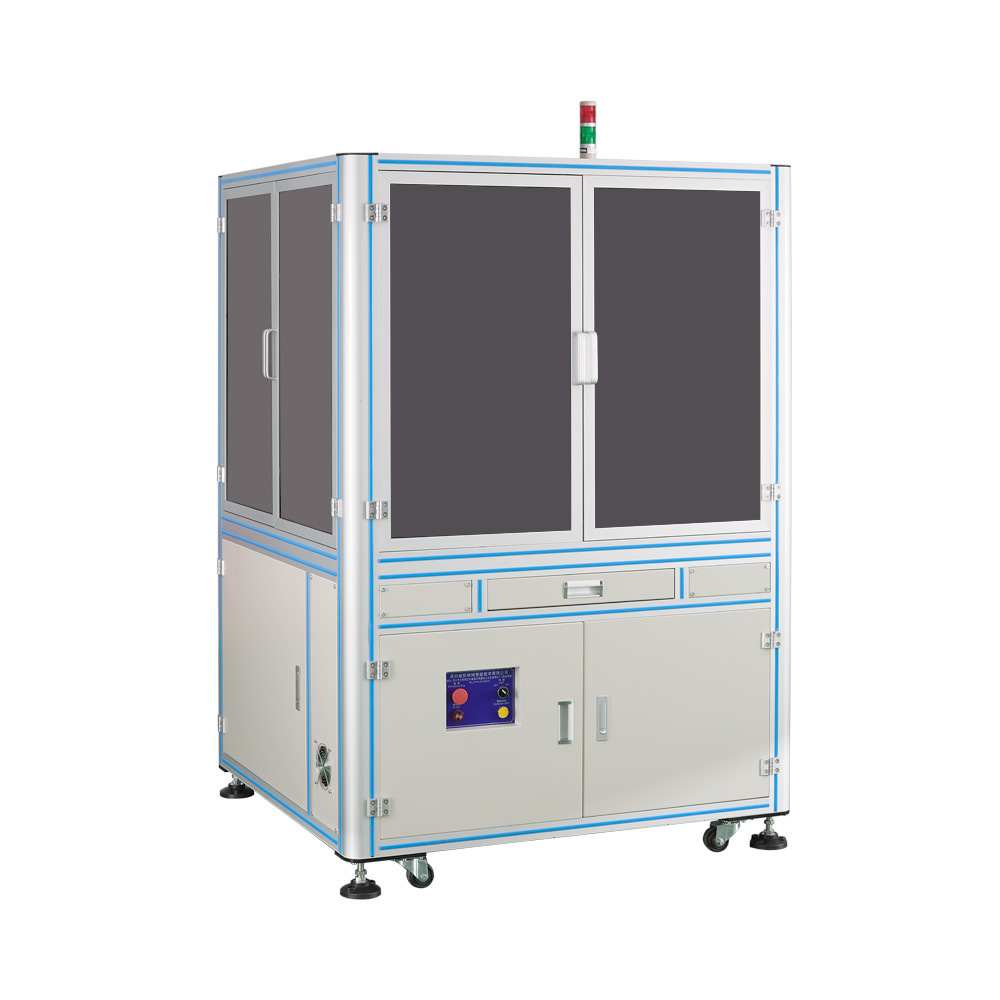
At its core, CCD Visual Inspection utilizes Charge-Coupled Device (CCD) technology to inspect products and components with incredible precision. Imagine a robotic eye that never blinks; that's what you get with this system. By capturing high-resolution images, it can detect defects, inconsistencies, and other quality issues in real-time. Talk about efficiency!
Industries Benefiting from CCD Visual Inspection
So, who's riding the wave of this advanced technology? Let's take a peek:
1. Manufacturing
In manufacturing, CCD Visual Inspection is like having a hawk-eyed supervisor on the assembly line. It can identify flaws in components before they reach the final product stage, helping companies save time and money.
2. Food and Beverage
Quality control in the food industry is non-negotiable. With CCD Visual Inspection, food producers can ensure that every item meets safety and quality standards. It's an invaluable tool for detecting foreign objects and ensuring packaging integrity.
3. Electronics
In the electronics sector, precision is key. CCD Visual Inspection helps in scrutinizing circuit boards and other components, ensuring that everything is in its right place before they hit the market.
The Benefits of Embracing CCD Visual Inspection
Now, why should businesses consider adopting this technology? Here are a few compelling reasons:
- Increased Efficiency: Automated systems can operate 24/7, drastically reducing the time needed for inspections.
- Cost Savings: By catching defects early, companies can avoid costly recalls and rework.
- Enhanced Accuracy: With high-resolution imaging and advanced algorithms, the chances of human error are significantly reduced.
Challenges and Considerations
Of course, no technology is without its hiccups. Implementing CCD Visual Inspection can come with challenges, such as initial setup costs and the need for ongoing maintenance. However, the long-term benefits often outweigh these initial hurdles.
Looking Ahead: The Future of Inspection
As technology continues to evolve, the future of CCD Visual Inspection looks promising. With advancements in AI and machine learning, these systems are becoming smarter and more intuitive, allowing for even greater levels of automation and quality assurance.
Final Thoughts
In conclusion, CCD Visual Inspection is revolutionizing the way industries approach quality control. By embracing this technology, businesses can ensure that they not only meet standards but exceed them, paving the way for a more reliable and efficient future.
Contact Us
Ms. Lu: +86-18128878019
Phone: +86 0755-23199519
ADD : Room 302, 402, Building A, Xinpitou Industrial Zone, Kanghong Road, Xinqiang Community, Xinhu Street, Guangming New District, Shenzhen
Online Message
Our team will get in touch with you shortly, so keep an eye on your inbox




