

Revolutionizing Quality Control with CCD Visual Inspection Machines
2026-01-24


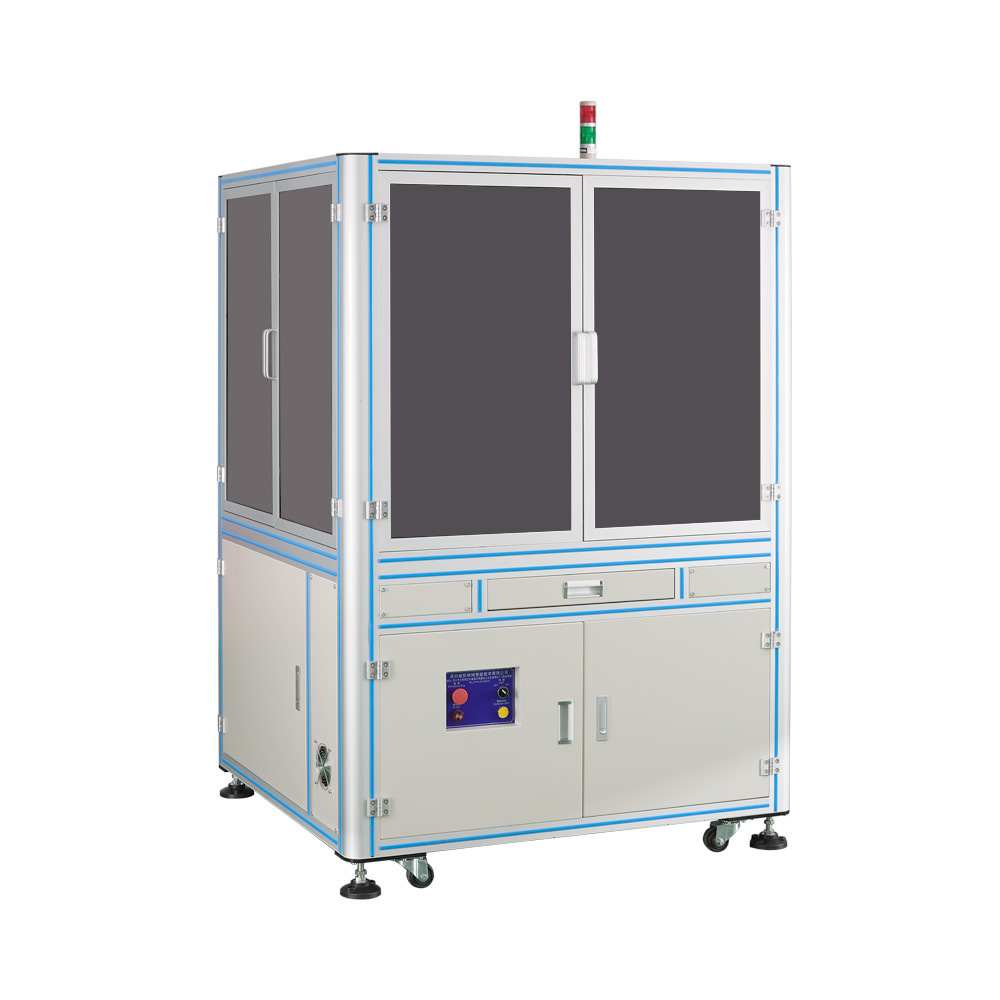
In the realm of optical instruments, the integrity and precision of components are paramount. One of the most significant advancements in quality control technology is the use of CCD visual inspection machines. These machines utilize Charge-Coupled Device (CCD) technology to capture high-resolution images of optical components, enabling manufacturers to detect defects and ensure product quality with unmatched accuracy.
The primary function of a CCD visual inspection machine is to provide a detailed analysis of optical parts during the manufacturing process. By employing advanced imaging techniques, these machines can detect a wide range of defects, including scratches, bubbles, and misalignments that may not be visible to the naked eye. This capability is particularly crucial in industries where optical performance is critical, such as in camera lenses, microscopes, and other precision instruments.
One of the key advantages of using CCD visual inspection machines is their speed and efficiency. Traditional inspection methods can be time-consuming and often require human intervention, which may introduce variability. In contrast, CCD machines can perform inspections rapidly and consistently, significantly reducing the time needed for quality checks. This automation not only increases productivity but also minimizes the risk of human error, thereby enhancing the reliability of the inspection process.
Moreover, CCD visual inspection machines are equipped with sophisticated software that can analyze the captured images and provide real-time feedback. This feature allows manufacturers to make immediate adjustments to the production process, ensuring that only components that meet stringent quality standards proceed to the next stages of manufacturing. The integration of such technology not only streamlines operations but also fosters a culture of continuous improvement within production facilities.
Another essential aspect of CCD visual inspection machines is their adaptability. These systems can be customized to meet the specific needs of various applications within the optical industry. Whether inspecting simple lenses or complex multi-layered optical systems, CCD machines can be tailored to provide the necessary resolution and sensitivity required for effective quality control.
In conclusion, CCD visual inspection machines are a game-changer in the optical lens and instrument manufacturing industry. By leveraging high-resolution imaging and advanced analysis capabilities, these machines enhance product quality, improve operational efficiency, and ultimately contribute to higher customer satisfaction. As the industry continues to evolve, integrating cutting-edge inspection technology like CCD visual inspection machines will be essential for manufacturers aiming to maintain a competitive edge and deliver superior optical products.
Contact Us
Ms. Lu: +86-18128878019
Phone: +86 0755-23199519
ADD : Room 302, 402, Building A, Xinpitou Industrial Zone, Kanghong Road, Xinqiang Community, Xinhu Street, Guangming New District, Shenzhen
Online Message
Our team will get in touch with you shortly, so keep an eye on your inbox




