
Choosing the Right Vision Inspection Equipment for Your Specific Needs
2026-04-28


Choosing the Right Vision Inspection Equipment for Your Specific Needs
Table of Contents
- Understanding Vision Inspection Equipment
- Types of Vision Inspection Systems
- Key Features to Consider When Choosing Equipment
- Applications of Vision Inspection Equipment
- How to Assess Your Vision Inspection Needs
- Top Brands and Manufacturers of Vision Inspection Equipment
- Budgeting for Vision Inspection Equipment
- Maintenance and Support Considerations
- Frequently Asked Questions (FAQs)
- Conclusion
Understanding Vision Inspection Equipment
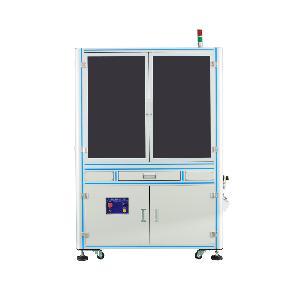
In the world of manufacturing and quality control, vision inspection equipment plays a crucial role in ensuring that products meet specified requirements. This technology utilizes advanced optical lenses and sophisticated imaging systems to analyze products for defects, dimensional accuracy, and overall quality. By leveraging high-resolution cameras and intelligent software, businesses can automate inspection processes, significantly reducing human error and increasing throughput.
Types of Vision Inspection Systems
When it comes to selecting the right vision inspection equipment, understanding the different types of systems available is vital. Here are the most common types:
1. 2D Vision Inspection Systems
2D vision systems capture flat images and are ideal for applications where depth perception is not critical. They are commonly used for applications like label inspection and surface defect detection.
2. 3D Vision Inspection Systems
3D inspection systems utilize multiple cameras to create a three-dimensional view of the object being inspected. They are particularly effective for identifying defects that are not visible in 2D, such as height variations and surface contours.
3. Color Vision Inspection Systems
These systems are designed to analyze color variations in products, making them suitable for applications where color consistency is crucial, such as in the packaging industry.
4. Line Scan Cameras
Line scan cameras are specially designed for high-speed applications and are often used in conveyor systems. They capture images line-by-line, making them ideal for inspecting long products like rolls of film or fabric.
Key Features to Consider When Choosing Equipment
When selecting vision inspection equipment, several key features should be taken into account to ensure the system meets your specific needs:
1. Resolution
The resolution of the camera plays a significant role in the quality of images produced. Higher resolution provides more detail, allowing for more accurate inspections.
2. Lighting
Proper lighting is essential for effective vision inspections. Consider systems with adjustable lighting options or integrated lighting solutions that suit your inspection environment.
3. Software Capabilities
The software that accompanies vision inspection systems is critical for processing images and generating reports. Look for user-friendly interfaces and advanced features such as machine learning capabilities.
4. Integration
Ensure that the vision inspection equipment can easily integrate with existing production lines and systems. This compatibility will facilitate seamless operation and data sharing.
Applications of Vision Inspection Equipment
Vision inspection equipment finds applications across various industries, enhancing quality assurance and improving efficiency. Some notable applications include:
1. Electronics Manufacturing
In electronics manufacturing, vision inspection systems are used to verify component placement, solder joint quality, and overall assembly integrity.
2. Food and Beverage Industry
In the food sector, these systems ensure packaging integrity, label accuracy, and monitor for contaminants, thereby maintaining product safety and compliance.
3. Automotive Industry
Vision inspection is critical in automotive manufacturing for inspecting parts, assemblies, and verifying that specifications are met to ensure safety and performance.
4. Pharmaceutical Industry
Quality assurance in pharmaceuticals is paramount. Vision inspection systems are employed to inspect labels, verify product codes, and ensure proper packaging.
How to Assess Your Vision Inspection Needs
Choosing the right vision inspection equipment requires a thorough assessment of your specific needs. Here’s a step-by-step guide on how to do it:
1. Define Your Inspection Goals
Clearly outline what you need the inspection system to achieve. Consider aspects such as the types of defects you want to identify, the speed of inspection, and the level of detail required.
2. Evaluate Your Production Environment
Your production environment can impact the type of equipment that will work best. Consider factors such as ambient lighting, space availability, and how clean the environment needs to be.
3. Consider Future Growth
Choose an inspection system that can scale with your business. Consider future product lines that may require inspection and ensure that the equipment can adapt to these needs.
Top Brands and Manufacturers of Vision Inspection Equipment
Several reputable brands lead the vision inspection market, known for their quality and reliability. Some of these include:
1. Cognex
Cognex is renowned for its advanced vision systems and industrial barcode readers, catering to a wide range of industries.
2. Keyence
Keyence offers a comprehensive range of vision inspection systems featuring high-resolution cameras and powerful software for diverse applications.
3. Omron
Omron is well-regarded for its automation solutions, including vision inspection equipment that enhances manufacturing efficiency.
4. Basler
Basler specializes in high-quality cameras for machine vision applications, making it a favorite for many industries.
Budgeting for Vision Inspection Equipment
When planning to purchase vision inspection equipment, budgeting is crucial. Consider the following:
1. Initial Costs
The initial purchase price of the equipment is just one part of the overall budget. Factor in installation and any necessary modifications to your production line.
2. Operating Costs
Consider the ongoing costs associated with maintenance, software updates, and potential training for staff who will operate the system.
3. Return on Investment (ROI)
Evaluate the potential ROI by analyzing how the vision inspection equipment can reduce defects, enhance efficiency, and ultimately boost profitability.
Maintenance and Support Considerations
Once you invest in vision inspection equipment, regular maintenance and support are essential to ensure longevity and optimal performance:
1. Scheduled Maintenance
Establish a maintenance schedule to keep equipment running smoothly. This can include regular cleaning, software updates, and hardware checks.
2. Technical Support
Choose a manufacturer known for excellent customer support. Quick access to technical assistance can help resolve issues before they impact production.
Frequently Asked Questions (FAQs)
1. What is vision inspection equipment?
Vision inspection equipment is a technology used to automate quality control in manufacturing processes by inspecting products for defects or non-conformance.
2. How do I choose the right vision inspection system?
Assess your specific needs, production environment, budget, and integration capabilities when selecting a vision inspection system.
3. What industries use vision inspection equipment?
Vision inspection equipment is utilized in various industries, including electronics, food and beverage, automotive, and pharmaceuticals.
4. How important is software in vision inspection systems?
Software is crucial as it processes images, identifies defects, and generates reports, playing a vital role in the effectiveness of the inspection system.
5. What are the typical costs associated with vision inspection equipment?
Costs vary widely but generally include initial purchase price, installation, ongoing maintenance, and operational costs like software updates.
Conclusion
Selecting the right vision inspection equipment is paramount for ensuring product quality, enhancing efficiency, and minimizing defects in various manufacturing processes. By understanding the types of systems available, assessing your unique needs, and considering key features, you can make an informed choice that aligns with your operational goals. With the right equipment in place, your business can achieve significant improvements in quality assurance, ultimately leading to enhanced customer satisfaction and increased profitability.
Related News
Contact Us
Ms. Lu: +86-18128878019
Phone: +86 0755-23199519
ADD : Room 302, 402, Building A, Xinpitou Industrial Zone, Kanghong Road, Xinqiang Community, Xinhu Street, Guangming New District, Shenzhen
Online Message
Our team will get in touch with you shortly, so keep an eye on your inbox