
Auto Optical Inspection Machines: Essential for Precision in Optical Lens Manufacturing
2026-05-10


Auto Optical Inspection Machines: Essential for Precision in Optical Lens Manufacturing
In the fast-paced world of optical lens manufacturing, precision is not just a requirement; it is a necessity. To ensure that every lens meets the stringent quality standards expected by consumers and industries alike, manufacturers are increasingly turning to Auto Optical Inspection (AOI) Machines. These advanced machines play a critical role in enhancing production efficiency and maintaining high-quality output. In this article, we will explore the significance of AOI machines in optical lens manufacturing, their benefits, key features, and future trends in the industry.
Table of Contents
- What are Auto Optical Inspection Machines?
- The Importance of Precision in Optical Lens Manufacturing
- How Auto Optical Inspection Machines Work
- Key Features of Auto Optical Inspection Machines
- Benefits of Using Auto Optical Inspection Machines
- Applications of AOI Machines in Optical Lens Manufacturing
- Future Trends in Auto Optical Inspection Technology
- FAQs About Auto Optical Inspection Machines
- Conclusion
What are Auto Optical Inspection Machines?
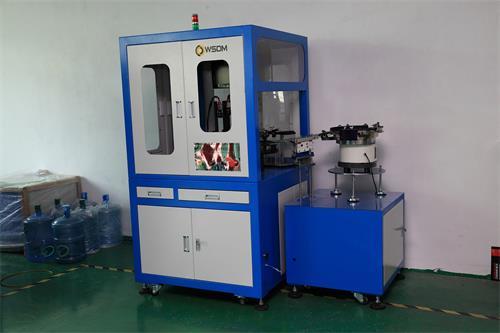
Auto Optical Inspection Machines are sophisticated tools designed to automate the inspection of optical components, particularly lenses. Utilizing advanced imaging technology, these machines detect surface defects, measurement inaccuracies, and other anomalies that could compromise the quality of the finished product. By integrating optical and digital technologies, AOI machines help manufacturers achieve higher accuracy and efficiency during the production process.
The Importance of Precision in Optical Lens Manufacturing
The optical lens manufacturing industry demands an extraordinary level of precision. From ensuring that lenses focus light accurately to preventing defects that could lead to optical distortions, precision is paramount. A single flaw in an optical lens can lead to significant issues in performance, potentially affecting everything from camera quality to medical imaging equipment. As such, manufacturers must implement rigorous quality control processes, where Auto Optical Inspection Machines play a crucial role.
Delivering Consistent Quality
Consistency is vital in optical lens production. Any variation in the manufacturing process can result in products that do not meet specifications. AOI machines provide a streamlined approach to quality assurance, enabling manufacturers to detect defects early in the production cycle. This not only minimizes waste but also enhances customer satisfaction by ensuring that only high-quality products reach the market.
How Auto Optical Inspection Machines Work
Auto Optical Inspection Machines employ a combination of high-resolution cameras, lighting systems, and software algorithms to inspect lenses. The process typically involves several key steps:
1. Imaging
The machine captures high-resolution images of the lens surface. This imaging process can be performed under various lighting conditions to highlight different types of defects.
2. Analysis
Advanced algorithms analyze the captured images to detect any inconsistencies. The software can identify surface blemishes, scratches, and other imperfections that could affect the lens quality.
3. Reporting
After the analysis, the AOI machine generates detailed reports that outline any detected issues. Manufacturers can use this data to make informed decisions about their production process.
4. Feedback Loop
The integration of AOI machines into the manufacturing line allows for real-time feedback. If defects are detected, adjustments can be made immediately to rectify the issue before further production continues.
Key Features of Auto Optical Inspection Machines
When considering an Auto Optical Inspection Machine, it is essential to understand the features that contribute to its effectiveness:
High-Resolution Imaging
High-resolution cameras provide detailed images of the lens surface, allowing for the detection of even the smallest defects.
Advanced Lighting Systems
Different lighting configurations can be employed to enhance visibility and highlight specific defects, ensuring thorough inspection.
AI-Powered Analysis
Many AOI machines now incorporate artificial intelligence and machine learning capabilities, enabling them to learn from previous inspections and improve accuracy over time.
User-Friendly Interface
A user-friendly interface allows operators to easily navigate the system, customize settings, and interpret results without extensive training.
Flexible Configuration
AOI machines can often be tailored to meet specific manufacturing needs, including the types of lenses being produced and the inspection criteria required.
Benefits of Using Auto Optical Inspection Machines
Utilizing Auto Optical Inspection Machines offers numerous advantages for optical lens manufacturers, including:
Enhanced Quality Control
With the ability to detect defects early in the production process, manufacturers can maintain high-quality standards and reduce the likelihood of defective products reaching the market.
Increased Efficiency
The automation of inspection processes leads to faster production cycles, allowing manufacturers to meet market demands without sacrificing quality.
Cost Savings
By minimizing waste and reducing the need for manual inspection, AOI machines can significantly lower production costs, enhancing profitability for manufacturers.
Data-Driven Insights
The analytical capabilities of AOI machines provide valuable data that can inform production strategies and improvements, leading to long-term benefits.
Applications of AOI Machines in Optical Lens Manufacturing
Auto Optical Inspection Machines are versatile tools applicable across various sectors within the optical industry:
Camera Lenses
In the production of camera lenses, precision is crucial. AOI machines ensure that lenses meet the necessary specifications for clarity and focus.
Medical Imaging Equipment
Medical devices relying on optical lenses are subject to strict regulatory standards. AOI machines help ensure compliance by delivering consistent quality control.
Consumer Electronics
Smartphones and tablets rely on high-quality lenses for cameras. AOI machines help manufacturers maintain the quality expected by consumers.
Optical Instruments
Instruments such as microscopes and telescopes require precise lens manufacturing to function correctly. AOI machines play a vital role in ensuring these lenses meet strict performance standards.
Future Trends in Auto Optical Inspection Technology
As technology continues to advance, so too will the capabilities of Auto Optical Inspection Machines:
Integration of Machine Learning
The future of AOI machines lies in their ability to integrate machine learning for improved detection and analysis. This will enable them to adapt and evolve as production processes change.
Enhanced Imaging Techniques
Emerging imaging technologies, such as hyperspectral imaging, may provide even more detailed insights into lens quality, allowing for more precise inspections.
Collaboration with IoT
The Internet of Things (IoT) will likely play a significant role in connecting AOI machines with other machinery, facilitating real-time data sharing and decision-making.
Increased Customization
As manufacturers seek tailored solutions, future AOI machines may offer even more customizable features to meet specific production requirements.
FAQs About Auto Optical Inspection Machines
1. What types of defects can Auto Optical Inspection Machines detect?
AOI machines can detect various defects, including surface blemishes, misalignments, scratches, and measurement inaccuracies in optical lenses.
2. Are AOI machines suitable for all types of optical lenses?
Yes, AOI machines can be configured to inspect a wide range of optical lenses, including those used in cameras, medical devices, and consumer electronics.
3. How do AOI machines improve production efficiency?
By automating the inspection process and providing real-time feedback, AOI machines reduce the time required for quality checks and enable manufacturers to address issues promptly.
4. What are the cost implications of integrating AOI machines into production?
While there is an initial investment cost, AOI machines often lead to long-term savings by minimizing waste, reducing manual labor, and improving product quality.
5. Can AOI machines be used in conjunction with other inspection methods?
Yes, AOI machines can complement other inspection methods, such as manual inspections and traditional measurement techniques, to enhance overall quality control.
Conclusion
Auto Optical Inspection Machines represent a critical advancement in the field of optical lens manufacturing. Their ability to provide accurate, real-time inspections ensures that manufacturers can maintain the highest quality standards while also enhancing efficiency and reducing costs. As technology continues to evolve, the role of AOI machines will only grow in importance, making them an indispensable tool for manufacturers aiming to stay competitive in a demanding market. Investing in these machines today will pave the way for greater precision and excellence in optical lens production tomorrow.
Related News
Contact Us
Ms. Lu: +86-18128878019
Phone: +86 0755-23199519
ADD : Room 302, 402, Building A, Xinpitou Industrial Zone, Kanghong Road, Xinqiang Community, Xinhu Street, Guangming New District, Shenzhen
Online Message
Our team will get in touch with you shortly, so keep an eye on your inbox