
Vision Inspection Equipment: Enhancing Customer Satisfaction Through Quality
2026-06-04


Vision Inspection Equipment: Enhancing Customer Satisfaction Through Quality
Table of Contents
- Introduction to Vision Inspection Equipment
- Importance of Vision Inspection in Quality Control
- Technological Advancements in Vision Inspection Equipment
- Applications of Vision Inspection Equipment Across Industries
- The Role of Vision Inspection in Enhancing Customer Satisfaction
- Case Studies: Success Stories in Vision Inspection
- Best Practices for Implementing Vision Inspection Equipment
- Future Trends in Vision Inspection Technology
- Frequently Asked Questions
- Conclusion
Introduction to Vision Inspection Equipment
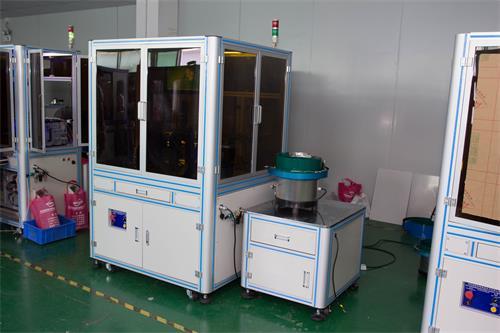
In today’s highly competitive landscape, ensuring product quality is paramount to maintaining customer satisfaction and loyalty. Vision inspection equipment plays a crucial role in this process by providing accurate, reliable, and efficient assessments of product quality throughout manufacturing stages. As industries evolve, the need for precise quality control measures becomes increasingly vital, not just to adhere to regulations but to foster a reputation for excellence.
This article delves into the significance of vision inspection equipment, exploring its technology, applications, benefits, and future trends. Through thorough understanding and implementation of these systems, businesses can enhance their quality control processes and ultimately improve customer satisfaction.
Importance of Vision Inspection in Quality Control
Quality control is an essential component of any manufacturing process. Vision inspection systems utilize advanced optical lenses and detection instruments to identify defects, measure dimensions, and verify the integrity of products. The importance of these systems cannot be overstated for several key reasons:
1. Improving Product Quality
With the ability to detect even the smallest defects, vision inspection systems drastically reduce the likelihood of flawed products reaching the customer. By catching issues early in the production line, companies can rectify problems before they escalate, ensuring only the highest quality products are delivered.
2. Streamlining Operations
Automation of quality control processes not only increases efficiency but also minimizes human error. Vision inspection systems can operate at high speeds, maintaining consistent quality checks without the fatigue that can affect human inspectors. This streamlined approach allows for quicker production cycles and reduced operational costs.
3. Compliance with Industry Standards
Many industries have stringent regulations regarding product quality and safety. Vision inspection equipment helps businesses comply with these standards by providing documented evidence of quality control measures, thereby minimizing the risk of legal complications and enhancing brand credibility.
Technological Advancements in Vision Inspection Equipment
The field of vision inspection is continuously evolving. Recent technological advancements have significantly improved the capabilities and accuracy of these systems. Key developments include:
1. High-Resolution Imaging
Modern vision inspection systems utilize high-resolution cameras that capture detailed images of products. This allows for precise measurements and defect detection, ensuring comprehensive quality assessments.
2. Artificial Intelligence and Machine Learning
Integrating AI and machine learning into vision inspection systems enables them to learn from previous inspections. These systems can adapt over time, improving their accuracy and efficiency as they accumulate more data.
3. 3D Vision Technology
3D vision systems provide a more thorough assessment of object dimensions and surface characteristics. This technology is especially beneficial for complex parts with intricate geometries, enhancing the detection of defects that traditional 2D systems might miss.
4. Automated Reporting and Data Analysis
The ability to generate automated reports and analyze inspection data helps companies make informed decisions quickly. This data-driven approach facilitates continuous improvement in manufacturing processes and product quality.
Applications of Vision Inspection Equipment Across Industries
Vision inspection equipment finds applications across various industries, each benefiting uniquely from enhanced quality control. Some primary sectors utilizing this technology include:
1. Automotive Industry
In the automotive sector, vision inspection systems are used for checking the alignment of components, detecting surface imperfections, and ensuring proper assembly. This is critical in maintaining safety and performance standards.
2. Electronics Manufacturing
Electronics manufacturers rely heavily on vision inspection to inspect circuit boards for defects, soldering quality, and component placement accuracy. Given the miniaturization of electronic components, the precision offered by vision inspection is invaluable.
3. Pharmaceuticals
In the pharmaceutical industry, vision inspection plays a critical role in ensuring the integrity of packaging, labeling, and product appearance. This is essential for compliance with health regulations and maintaining consumer trust.
4. Food and Beverage
Vision inspection equipment is utilized to verify product packaging, detect foreign objects, and ensure labeling accuracy. This helps companies maintain high-quality standards and comply with safety regulations.
The Role of Vision Inspection in Enhancing Customer Satisfaction
Customer satisfaction hinges on the quality and reliability of products. Vision inspection systems contribute directly to this by ensuring that every item produced meets or exceeds customer expectations. The relationship between quality control and customer satisfaction is multi-faceted:
1. Building Trust
When customers receive consistently high-quality products, they develop trust in the brand. This trust is pivotal in fostering customer loyalty and encouraging repeat business.
2. Reducing Complaints and Returns
Effective quality control minimizes the chances of defects, leading to fewer customer complaints and product returns. This not only saves costs related to returns but also enhances the overall customer experience.
3. Enhancing Brand Reputation
A reputation for quality can set a company apart from its competitors. By implementing robust vision inspection processes, businesses can market themselves as leaders in quality and reliability, attracting new customers.
Case Studies: Success Stories in Vision Inspection
Examining successful implementations of vision inspection equipment can provide valuable insights into its transformative impact on quality control and customer satisfaction.
1. Automotive Manufacturer Case Study
An established automotive manufacturer integrated a high-resolution vision inspection system into its assembly line, which resulted in a 30% reduction in defects and a significant increase in production efficiency. Customer satisfaction scores improved notably as a result.
2. Electronics Company Success
A leading electronics company adopted AI-powered vision inspection technology to enhance its circuit board inspection process. This resulted in a 50% decrease in faulty products, leading to fewer customer complaints and improved brand loyalty.
Best Practices for Implementing Vision Inspection Equipment
To maximize the benefits of vision inspection systems, companies should adhere to best practices during implementation:
1. Conduct a Needs Assessment
Before selecting a vision inspection system, conduct a comprehensive assessment to identify specific quality control needs. This will help choose the right technology suited for your manufacturing processes.
2. Invest in Training
Equipping staff with proper training on how to operate and maintain vision inspection systems is essential. This ensures optimal performance and minimizes downtime.
3. Regular Maintenance and Upgrades
Routine maintenance of vision inspection equipment is crucial for sustaining accuracy and efficiency. Additionally, keeping systems updated with the latest technology can enhance inspection capabilities.
Future Trends in Vision Inspection Technology
The future of vision inspection technology looks promising, with several trends poised to shape its evolution:
1. Increased Automation
As automation continues to rise, vision inspection systems will likely become more integrated with other automated processes, further reducing the need for manual intervention.
2. Enhanced AI Capabilities
The role of AI will expand, enabling vision inspection systems to provide predictive analysis, which can anticipate potential quality issues before they occur.
3. Integration with IoT
The integration of vision inspection systems with the Internet of Things (IoT) will enable real-time monitoring and data sharing across manufacturing networks, enhancing overall operational efficiency.
Frequently Asked Questions
1. What is vision inspection equipment?
Vision inspection equipment refers to advanced optical systems that assess product quality by detecting defects, measuring dimensions, and ensuring compliance during manufacturing processes.
2. How does vision inspection improve product quality?
By identifying defects early in the production line, vision inspection equipment ensures only high-quality products reach customers, reducing the likelihood of returns and complaints.
3. What industries benefit from vision inspection technology?
Industries such as automotive, electronics, pharmaceuticals, and food and beverage sectors significantly benefit from vision inspection technology.
4. How does AI enhance vision inspection systems?
AI enhances vision inspection systems by allowing them to learn from previous inspections, improving their accuracy and efficiency over time.
5. What best practices should be followed when implementing vision inspection equipment?
Best practices include conducting a needs assessment, investing in staff training, and ensuring regular maintenance and upgrades of the equipment.
Conclusion
Vision inspection equipment is an indispensable tool in modern manufacturing, driving improvements in quality control and customer satisfaction. By embracing technological advancements and implementing best practices, businesses can enhance their quality assurance processes, build customer trust, and establish a competitive edge. As industries continue to evolve, the role of vision inspection systems will only grow, making them critical to sustaining high standards of quality and meeting customer expectations. Investing in these systems not only elevates product quality but also fosters a culture of excellence that can lead to long-term success.
Related News
Contact Us
Ms. Lu: +86-18128878019
Phone: +86 0755-23199519
ADD : Room 302, 402, Building A, Xinpitou Industrial Zone, Kanghong Road, Xinqiang Community, Xinhu Street, Guangming New District, Shenzhen
Online Message
Our team will get in touch with you shortly, so keep an eye on your inbox