
The Integration of Optical Inspection Machines in Modern Manufacturing: Revolutionizing Quality Control
2026-07-24


The Integration of Optical Inspection Machines in Modern Manufacturing
In the fast-paced world of modern manufacturing, precision and quality control are paramount. With the increasing complexity of manufacturing processes, the integration of optical inspection machines has emerged as a game-changer. These advanced devices offer unparalleled accuracy and efficiency, ensuring that products meet stringent quality standards. In this article, we will delve deep into the role of optical inspection machines in manufacturing, exploring their benefits, types, and future trends that promise to reshape the industry.
Table of Contents
- What Are Optical Inspection Machines?
- The Importance of Optical Inspection in Manufacturing
- Benefits of Integrating Optical Inspection Machines
- Types of Optical Inspection Machines
- The Role of Software in Optical Inspection
- Case Studies: Optical Inspection in Action
- Future Trends in Optical Inspection Technology
- Frequently Asked Questions
- Conclusion
What Are Optical Inspection Machines?
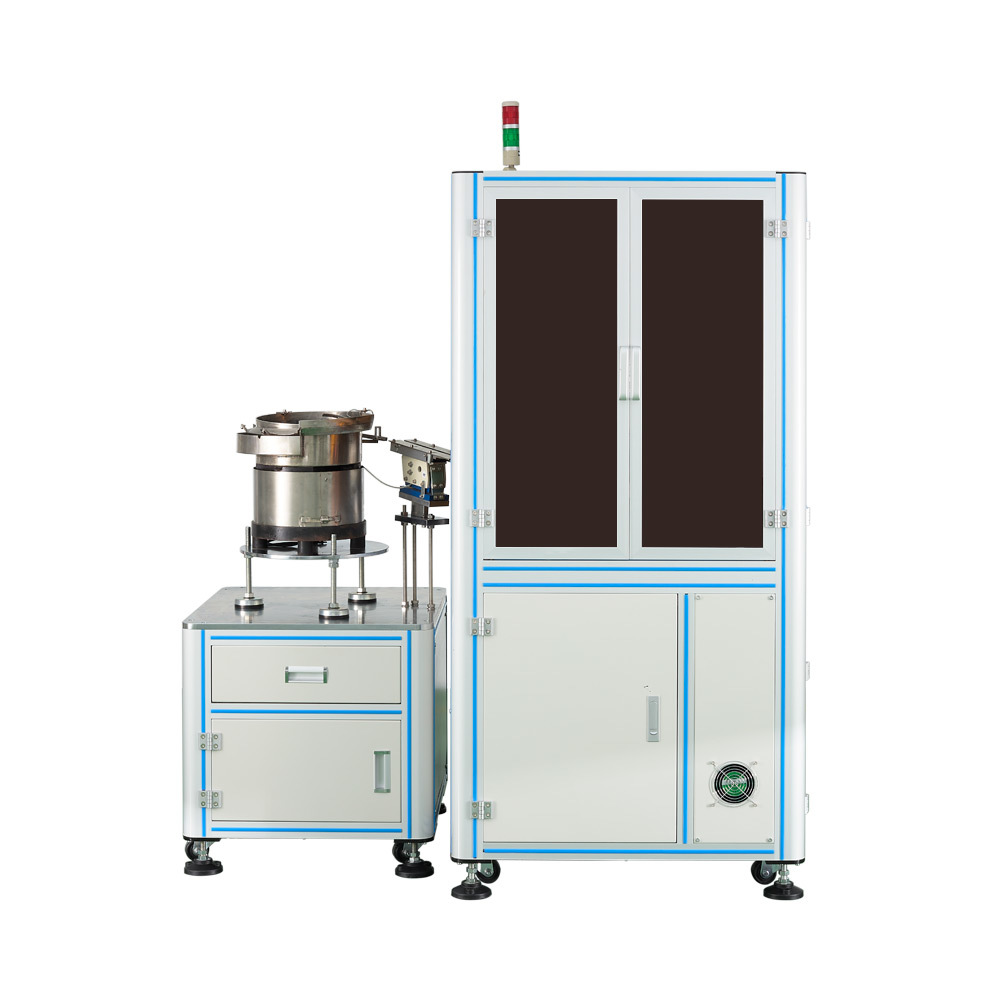
Optical inspection machines utilize advanced imaging technologies to analyze the physical properties of objects. These systems can detect defects, measure dimensions, and assess surface quality with remarkable precision. By employing methods such as machine vision, laser scanning, and 3D imaging, these machines provide real-time feedback during the manufacturing process, enabling immediate corrective actions when necessary.
The Importance of Optical Inspection in Manufacturing
Quality control is critical in manufacturing, as it directly impacts product reliability and customer satisfaction. Optical inspection machines play a vital role in this arena by ensuring that every manufactured component meets predefined specifications. The importance of optical inspection can be summarized as follows:
- **Enhanced Accuracy**: Traditional inspection methods often rely on manual processes, which can introduce human error. Optical inspection machines provide consistent and objective measurements, enhancing overall accuracy.
- **Increased Efficiency**: By automating the inspection process, manufacturers can significantly reduce inspection time, allowing for higher throughput and shorter lead times.
- **Cost Savings**: Preventing defects before they enter the supply chain can lead to substantial cost savings. Optical inspection helps identify issues early, reducing waste and rework.
Benefits of Integrating Optical Inspection Machines
Integrating optical inspection machines into manufacturing lines offers several compelling benefits:
- **Real-Time Monitoring**: Optical inspection systems provide real-time monitoring capabilities, allowing manufacturers to detect defects instantly. This immediate feedback loop facilitates quick adjustments and minimizes downtime.
- **Versatility**: These machines can be customized to inspect a wide range of products, from simple components to complex assemblies. Their adaptability makes them suitable for various industries, including automotive, electronics, and aerospace.
- **Data Collection and Analysis**: Optical inspection systems can collect and analyze vast amounts of data. This data can be leveraged to improve processes, optimize workflows, and enhance product quality over time.
Types of Optical Inspection Machines
There are several types of optical inspection machines, each designed for specific applications and industries. Understanding these types is essential for manufacturers looking to implement the right solution.
Machine Vision Systems
Machine vision systems employ cameras and image processing software to perform inspections. These systems can identify defects, measure dimensions, and even guide robotic arms in assembly processes. Their flexibility and precision make them a popular choice in manufacturing.
Laser Inspection Systems
Laser inspection systems use laser beams to measure surface characteristics and dimensions. They are highly effective in detecting surface defects, such as scratches or dents, and can provide detailed 3D profiles of the inspected object.
3D Inspection Machines
3D inspection machines utilize advanced scanning technology to create detailed three-dimensional representations of objects. This technology is particularly valuable for complex geometries and allows for comprehensive inspections that go beyond traditional 2D measurements.
The Role of Software in Optical Inspection
The software that powers optical inspection machines is just as crucial as the hardware itself. Advanced algorithms enhance the capability of these machines by enabling features such as:
- **Pattern Recognition**: Software can be trained to recognize specific patterns or defects, allowing for automated quality checks.
- **Data Analytics**: Modern optical inspection systems come equipped with robust data analytics tools that help manufacturers identify trends and make informed decisions.
- **User-Friendly Interfaces**: Intuitive software interfaces make it easier for operators to manage inspections, analyze data, and generate reports, streamlining the quality control process.
Case Studies: Optical Inspection in Action
To understand the impact of optical inspection machines, let’s explore a few case studies from different industries:
- **Automotive Industry**: An automotive manufacturer integrated machine vision systems into their assembly line to inspect welds. The result was a 30% reduction in defective parts, leading to improved vehicle quality and customer satisfaction.
- **Electronics Industry**: A leading electronics company adopted laser inspection systems to detect defects in printed circuit boards (PCBs). The enhanced inspection process minimized rework and significantly reduced production costs.
- **Aerospace Industry**: An aerospace component manufacturer utilized 3D inspection machines to ensure the precision of complex parts. This integration allowed them to meet rigorous industry standards while speeding up production times.
Future Trends in Optical Inspection Technology
As technology continues to advance, the future of optical inspection in manufacturing looks promising. Some emerging trends include:
- **Artificial Intelligence and Machine Learning**: Integrating AI and machine learning into optical inspection systems will enhance their capabilities. These technologies can improve defect detection rates and optimize inspection processes over time.
- **Collaborative Robots (Cobots)**: The collaboration between optical inspection machines and cobots will streamline inspection workflows. These robots can assist in handling parts, freeing up human operators for more complex tasks.
- **Integration with Industry 4.0**: As manufacturing moves toward Industry 4.0, optical inspection systems will become increasingly interconnected with other technologies, creating smart factories that leverage real-time data for decision-making.
Frequently Asked Questions
1. What industries benefit the most from optical inspection machines?
Many industries benefit from optical inspection machines, including automotive, electronics, aerospace, pharmaceuticals, and food packaging. These machines help ensure product quality and compliance with industry regulations.
2. How do optical inspection machines compare to traditional inspection methods?
Optical inspection machines offer higher accuracy, efficiency, and automation compared to traditional manual inspection methods. They reduce the likelihood of human error and provide faster results.
3. Can optical inspection systems be customized for specific applications?
Yes, optical inspection systems can be tailored to meet the specific needs of different manufacturing applications. Customization may include adjusting the inspection parameters, software features, and hardware configurations.
4. What is the expected return on investment (ROI) for optical inspection machines?
The ROI for optical inspection machines can vary depending on the application, but many manufacturers report significant cost savings through reduced defects, lower rework rates, and increased production efficiency.
5. How can manufacturers prepare for the integration of optical inspection technology?
Manufacturers should assess their current processes, identify areas for improvement, and choose the right optical inspection technology that aligns with their goals. Training staff and ensuring proper maintenance are also essential for successful integration.
Conclusion
The integration of optical inspection machines in modern manufacturing represents a significant advancement in quality control practices. These machines not only enhance accuracy and efficiency but also contribute to cost savings and improved product quality. By understanding the various types of optical inspection systems and their benefits, manufacturers can make informed decisions to optimize their production processes. As technology continues to evolve, embracing optical inspection will undoubtedly play a crucial role in driving the future of manufacturing.
Related News
Contact Us
Ms. Lu: +86-18128878019
Phone: +86 0755-23199519
ADD : Room 302, 402, Building A, Xinpitou Industrial Zone, Kanghong Road, Xinqiang Community, Xinhu Street, Guangming New District, Shenzhen
Online Message
Our team will get in touch with you shortly, so keep an eye on your inbox