
Enhancing Efficiency and Accuracy with Visual Sorting Machines in Optical Measurement
2026-09-07


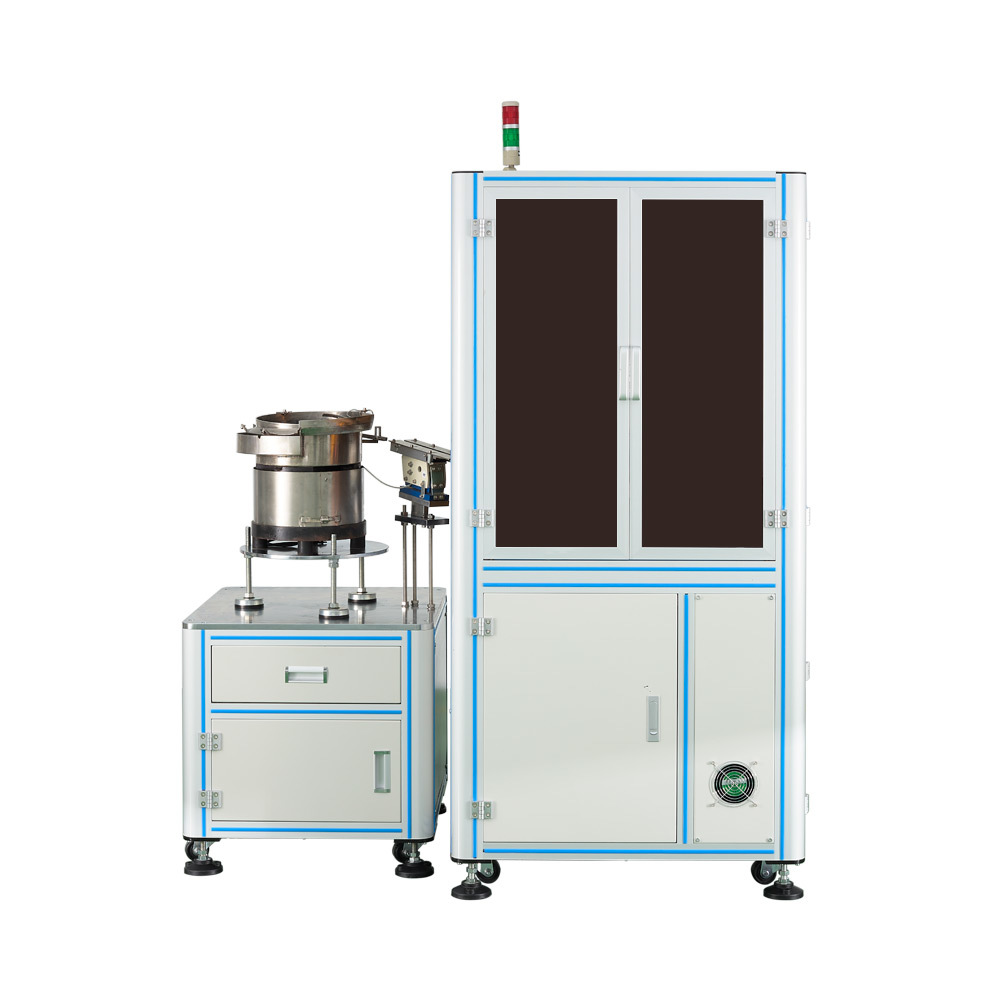
Visual sorting machines are advanced technological devices that play a crucial role in various industries, particularly in optical measurement and testing applications. These machines utilize sophisticated imaging systems and algorithms to analyze, sort, and classify items based on visual characteristics. This capability is essential in settings where precision and speed are paramount, such as in the production and quality assurance phases of optical lenses and instruments.
The fundamental operation of a visual sorting machine involves capturing high-resolution images of the items being processed. The machine uses a combination of cameras and illumination systems to ensure that each item's visual details are accurately represented. Once the images are captured, advanced software algorithms analyze the characteristics of each item, such as size, shape, color, and surface defects. This process allows the machine to efficiently categorize items, significantly reducing the time required for manual sorting and inspection.
One of the most significant advantages of employing visual sorting machines in optical measurement is their ability to enhance quality control. By automating the sorting process, manufacturers can minimize human error, leading to more consistent and reliable results. For instance, in the production of optical lenses, even minor imperfections can significantly impact performance. Visual sorting machines can swiftly identify and segregate defective lenses, ensuring only products that meet stringent quality standards proceed to the next stages of production.
Moreover, visual sorting machines contribute to increased operational efficiency. Traditional sorting methods can be labor-intensive and time-consuming, often resulting in production bottlenecks. In contrast, a well-implemented visual sorting machine can operate continuously, handling large volumes of items at high speeds. This capability allows companies to scale their operations without compromising quality, ultimately leading to higher throughput and reduced operational costs.
In addition to their sorting capabilities, visual sorting machines can also provide valuable data analytics. By tracking sorting patterns and defect rates, manufacturers can gain insights into production processes, identify trends, and make informed decisions for continuous improvement. This data-driven approach not only enhances product quality but also fosters innovation within the organization.
In conclusion, visual sorting machines represent a pivotal advancement in the optical measurement industry, offering unparalleled accuracy, efficiency, and data insights. By integrating this technology into their operations, businesses can streamline their production processes and ensure the highest quality standards in their optical products. As the industry continues to evolve, the adoption of such innovative solutions will be essential for maintaining competitive advantage and meeting the demands of modern manufacturing.
The fundamental operation of a visual sorting machine involves capturing high-resolution images of the items being processed. The machine uses a combination of cameras and illumination systems to ensure that each item's visual details are accurately represented. Once the images are captured, advanced software algorithms analyze the characteristics of each item, such as size, shape, color, and surface defects. This process allows the machine to efficiently categorize items, significantly reducing the time required for manual sorting and inspection.
One of the most significant advantages of employing visual sorting machines in optical measurement is their ability to enhance quality control. By automating the sorting process, manufacturers can minimize human error, leading to more consistent and reliable results. For instance, in the production of optical lenses, even minor imperfections can significantly impact performance. Visual sorting machines can swiftly identify and segregate defective lenses, ensuring only products that meet stringent quality standards proceed to the next stages of production.
Moreover, visual sorting machines contribute to increased operational efficiency. Traditional sorting methods can be labor-intensive and time-consuming, often resulting in production bottlenecks. In contrast, a well-implemented visual sorting machine can operate continuously, handling large volumes of items at high speeds. This capability allows companies to scale their operations without compromising quality, ultimately leading to higher throughput and reduced operational costs.
In addition to their sorting capabilities, visual sorting machines can also provide valuable data analytics. By tracking sorting patterns and defect rates, manufacturers can gain insights into production processes, identify trends, and make informed decisions for continuous improvement. This data-driven approach not only enhances product quality but also fosters innovation within the organization.
In conclusion, visual sorting machines represent a pivotal advancement in the optical measurement industry, offering unparalleled accuracy, efficiency, and data insights. By integrating this technology into their operations, businesses can streamline their production processes and ensure the highest quality standards in their optical products. As the industry continues to evolve, the adoption of such innovative solutions will be essential for maintaining competitive advantage and meeting the demands of modern manufacturing.
Related News
Contact Us
Ms. Lu: +86-18128878019
Phone: +86 0755-23199519
ADD : Room 302, 402, Building A, Xinpitou Industrial Zone, Kanghong Road, Xinqiang Community, Xinhu Street, Guangming New District, Shenzhen
Online Message
Our team will get in touch with you shortly, so keep an eye on your inbox