
Unveiling the Power of Visual Sorting Machines in Optical Instrumentation
2026-07-29


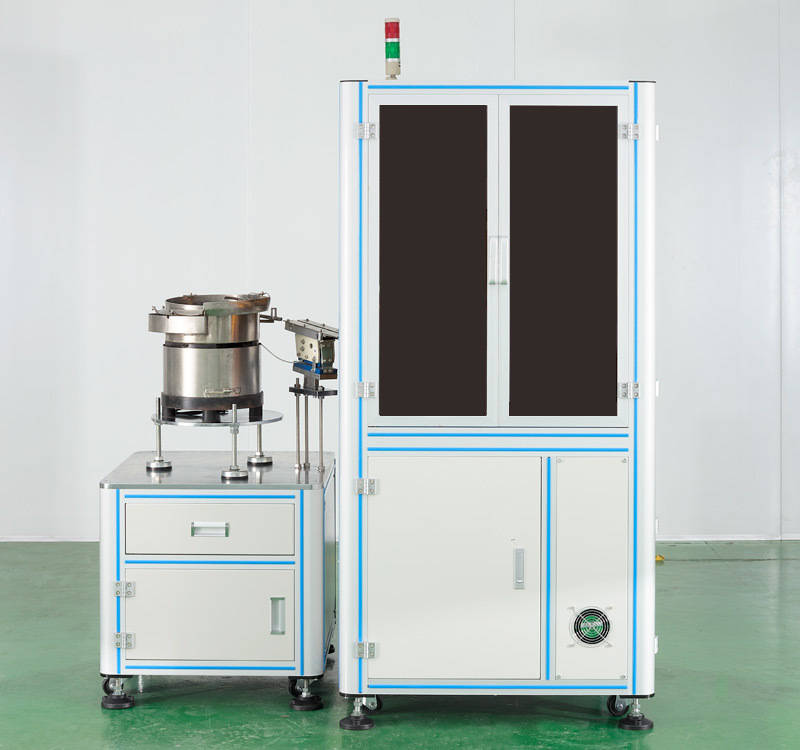
Visual sorting machines represent a significant advancement in the realm of optical testing and instrumentation. These sophisticated devices utilize advanced imaging and processing technologies to analyze and sort materials based on visual characteristics. By integrating high-resolution cameras and intelligent software algorithms, visual sorting machines can efficiently identify, categorize, and separate objects, enhancing quality control processes in various industries, including optical lens manufacturing.
One of the primary applications of visual sorting machines is in the inspection of optical components. These machines can detect defects such as scratches, bubbles, or misalignments in lenses, which are critical for maintaining the high standards required in optical devices. By automating the sorting process, manufacturers can significantly reduce human error and increase throughput, ensuring that only the highest quality products reach the market.
The technology behind visual sorting machines is rooted in image recognition and artificial intelligence. High-speed cameras capture images of the items being sorted, while sophisticated software analyzes these images in real-time. The system can be trained to recognize specific features or anomalies, which allows for precise sorting based on predefined criteria. This capability not only enhances accuracy but also allows for adjustments based on real-time data, making the machines adaptable to various sorting tasks.
Moreover, visual sorting machines contribute to sustainability in the optical industry by minimizing waste. By ensuring that only products that meet quality standards are processed further, manufacturers can reduce the number of defective items that end up in landfills. This aligns with the growing emphasis on environmentally responsible manufacturing practices.
Another advantage of visual sorting machines is their capacity for integration within existing production lines. They can be easily linked with other automated systems, creating a seamless workflow that enhances overall operational efficiency. This integration not only saves time but also provides valuable data analytics, allowing companies to monitor performance and make informed decisions based on actionable insights.
In conclusion, visual sorting machines are transforming the optical testing landscape by offering enhanced accuracy, efficiency, and sustainability. As the demand for high-quality optical components continues to grow, the adoption of these advanced sorting solutions will likely become a standard in the industry. For professionals in the field of optical instrumentation, understanding the capabilities and benefits of visual sorting machines can provide a competitive edge, fostering innovation and excellence in product quality.
One of the primary applications of visual sorting machines is in the inspection of optical components. These machines can detect defects such as scratches, bubbles, or misalignments in lenses, which are critical for maintaining the high standards required in optical devices. By automating the sorting process, manufacturers can significantly reduce human error and increase throughput, ensuring that only the highest quality products reach the market.
The technology behind visual sorting machines is rooted in image recognition and artificial intelligence. High-speed cameras capture images of the items being sorted, while sophisticated software analyzes these images in real-time. The system can be trained to recognize specific features or anomalies, which allows for precise sorting based on predefined criteria. This capability not only enhances accuracy but also allows for adjustments based on real-time data, making the machines adaptable to various sorting tasks.
Moreover, visual sorting machines contribute to sustainability in the optical industry by minimizing waste. By ensuring that only products that meet quality standards are processed further, manufacturers can reduce the number of defective items that end up in landfills. This aligns with the growing emphasis on environmentally responsible manufacturing practices.
Another advantage of visual sorting machines is their capacity for integration within existing production lines. They can be easily linked with other automated systems, creating a seamless workflow that enhances overall operational efficiency. This integration not only saves time but also provides valuable data analytics, allowing companies to monitor performance and make informed decisions based on actionable insights.
In conclusion, visual sorting machines are transforming the optical testing landscape by offering enhanced accuracy, efficiency, and sustainability. As the demand for high-quality optical components continues to grow, the adoption of these advanced sorting solutions will likely become a standard in the industry. For professionals in the field of optical instrumentation, understanding the capabilities and benefits of visual sorting machines can provide a competitive edge, fostering innovation and excellence in product quality.
Related News
Contact Us
Ms. Lu: +86-18128878019
Phone: +86 0755-23199519
ADD : Room 302, 402, Building A, Xinpitou Industrial Zone, Kanghong Road, Xinqiang Community, Xinhu Street, Guangming New District, Shenzhen
Online Message
Our team will get in touch with you shortly, so keep an eye on your inbox