

Enhancing Quality Control with Visual Inspection Machines in Optical Lens Manufacturing
2026-08-20


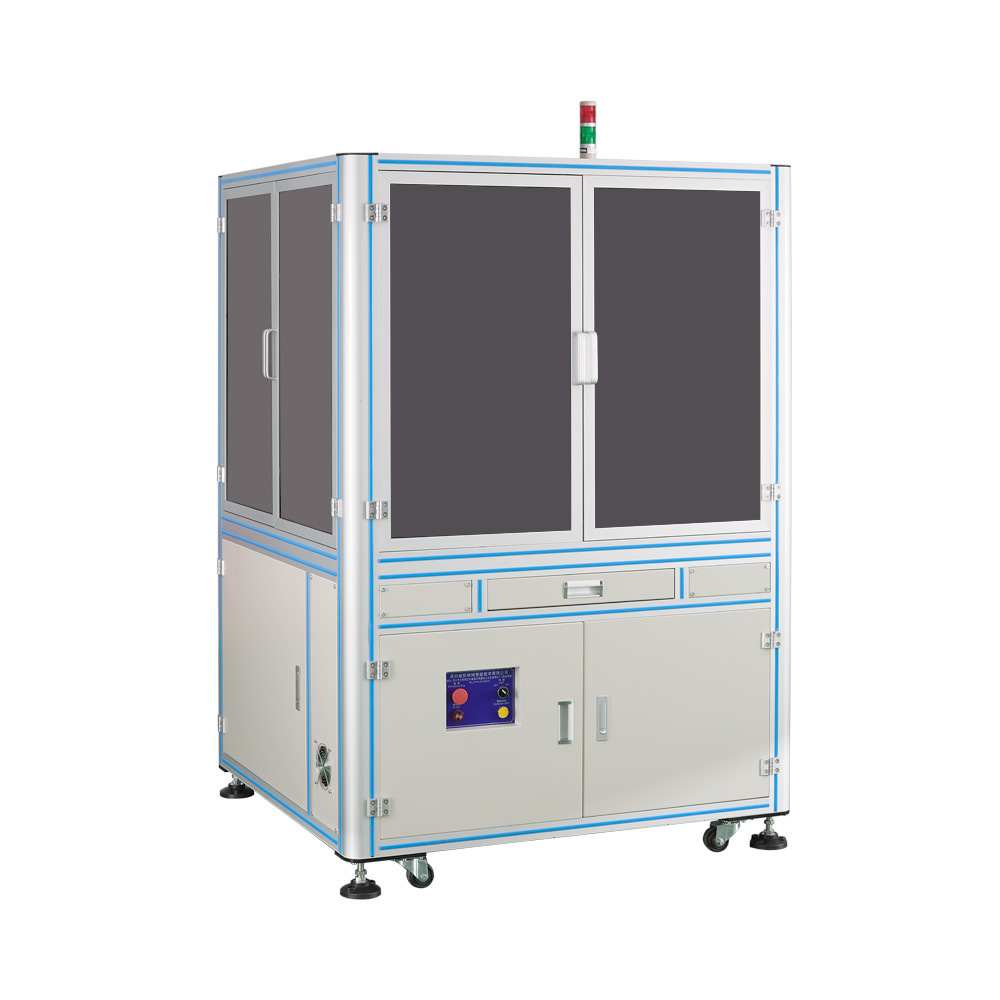
In the field of optical lens manufacturing, maintaining high standards of quality is paramount. Visual inspection machines play a critical role in this endeavor, providing an efficient and reliable method for detecting defects and ensuring product integrity. These advanced machines utilize sophisticated imaging technology to analyze lenses at various stages of production, allowing for real-time assessment of quality.
Visual inspection machines typically employ high-resolution cameras and advanced software algorithms to capture and evaluate images of optical lenses. This technology enables the detection of a wide range of defects, including scratches, bubbles, misalignment, and surface irregularities. The ability to perform these inspections automatically reduces the reliance on manual checks, which can be time-consuming and prone to human error.
One of the primary advantages of using visual inspection machines is their efficiency. With the capability to analyze thousands of lenses per hour, these machines significantly speed up the quality control process, allowing manufacturers to meet high production demands without compromising on quality. Additionally, the consistent nature of machine inspections ensures that any defects are identified early in the production cycle, which can reduce waste and save costs associated with rework or returns.
Moreover, visual inspection machines offer a level of precision that is difficult to achieve with manual inspections. Advanced imaging techniques, such as machine learning and computer vision, enable these systems to learn from previous inspections and improve their accuracy over time. This adaptive capability means that as your production processes evolve, your inspection systems can keep pace, continuously refining their ability to detect even the most subtle defects.
Implementing visual inspection machines also contributes to improved traceability within the manufacturing process. By integrating these machines with production data systems, manufacturers can track the performance of each lens batch and maintain detailed records of inspections. This facilitates compliance with industry standards and regulations, providing an added layer of assurance for customers regarding the quality of their products.
In conclusion, visual inspection machines are an invaluable asset in the optical lens manufacturing industry. By enhancing production efficiency, ensuring consistent quality, and improving defect detection capabilities, these machines play a significant role in maintaining high standards in manufacturing. As technology continues to advance, investing in visual inspection solutions will be crucial for manufacturers looking to stay competitive and meet the evolving demands of the market. Embracing these innovations will not only optimize production processes but also enhance overall customer satisfaction.
Contact Us
Ms. Lu: +86-18128878019
Phone: +86 0755-23199519
ADD : Room 302, 402, Building A, Xinpitou Industrial Zone, Kanghong Road, Xinqiang Community, Xinhu Street, Guangming New District, Shenzhen
Online Message
Our team will get in touch with you shortly, so keep an eye on your inbox




