

How to Maintain Your Automatic Inspection Machine for Optimal Performance
2026-10-04


How to Maintain Your Automatic Inspection Machine for Optimal Performance
Maintaining an **automatic inspection machine** is crucial for industries relying on precision and efficiency in their production processes. These machines ensure that products meet rigorous standards, and their performance directly impacts overall productivity. In this guide, we’ll explore effective strategies and practices for maintaining your automatic inspection machine, ensuring it operates at optimal levels.
Table of Contents
- 1. Introduction to Automatic Inspection Machines
- 2. Importance of Regular Maintenance
- 3. Essential Maintenance Tips for Automatic Inspection Machines
- 4. Cleaning Your Automatic Inspection Machine
- 5. Calibration: Keeping Your Machine Accurate
- 6. Troubleshooting Common Issues
- 7. Upgrading Your Automatic Inspection Machine
- 8. Frequently Asked Questions
- 9. Conclusion
1. Introduction to Automatic Inspection Machines
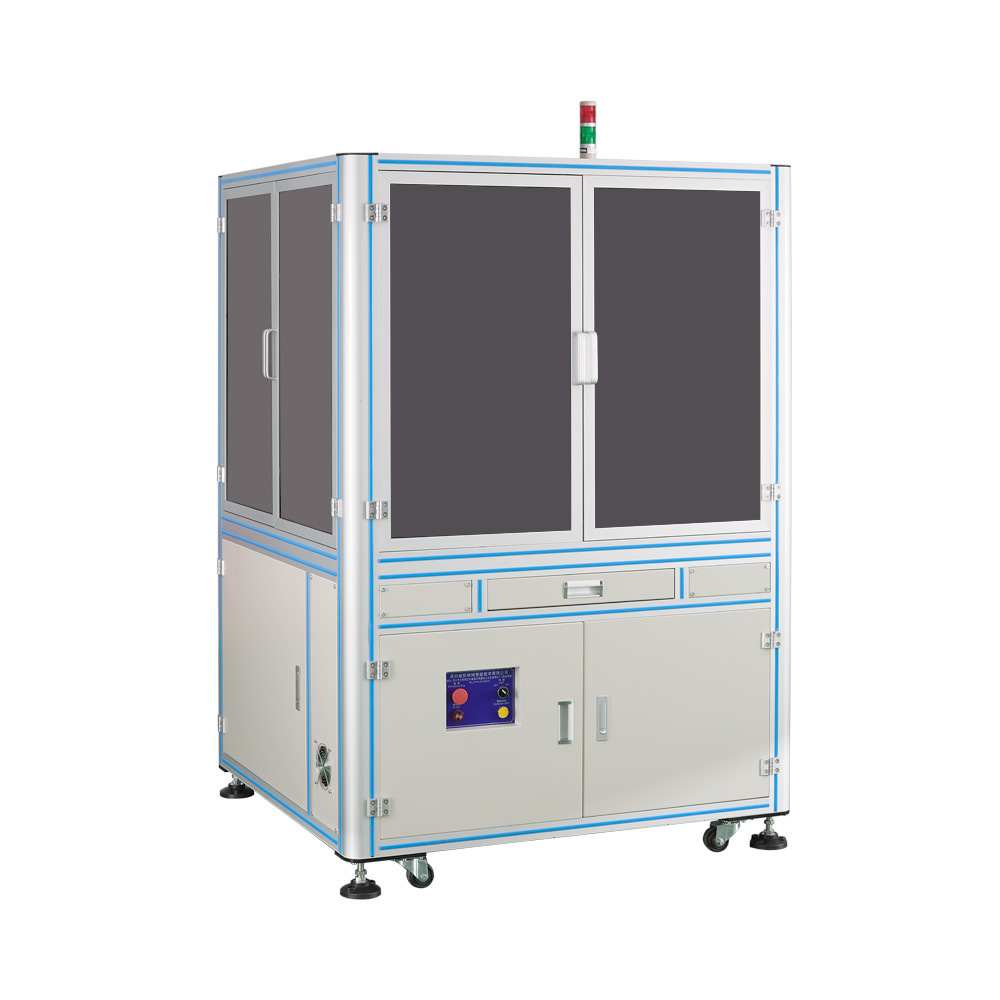
Automatic inspection machines play a pivotal role in ensuring product quality across various industries, particularly in **optics and precision engineering**. These machines utilize advanced technologies such as **optical lenses** and **detection instruments** to inspect and measure products with high accuracy. Understanding the fundamental components and functionalities of these machines is essential for effective maintenance.
Understanding the Components
An automatic inspection machine generally comprises various crucial components, including:
- **Optical systems**: This includes lenses and sensors that capture images and data.
- **Control systems**: Software and hardware that manage the inspection process.
- **Mechanical parts**: Conveyors and mounts that transport items to be inspected.
- **Data analysis systems**: Tools that process inspection results and provide feedback.
Each component requires specific attention during the maintenance process to ensure seamless operation.
2. Importance of Regular Maintenance
Regular maintenance of automatic inspection machines is imperative for several reasons:
- **Enhanced Performance**: Well-maintained machines function more efficiently, reducing the chances of errors in inspections.
- **Increased Longevity**: Routine checks and repairs prevent breakdowns, extending the machine's operational lifespan.
- **Cost Efficiency**: Investing in maintenance can significantly lower repair costs and decrease downtime, leading to higher productivity.
- **Quality Assurance**: Consistent maintenance ensures that products meet quality standards, reducing the risk of defects in the final output.
3. Essential Maintenance Tips for Automatic Inspection Machines
To ensure your automatic inspection machine operates at peak performance, consider implementing the following maintenance tips:
Schedule Regular Inspections
Conducting routine inspections should be a priority. Establish a maintenance schedule that includes:
- Monthly checks on optics for cleanliness and alignment.
- Quarterly evaluations of mechanical components for wear and tear.
- Annual reviews of software updates and calibration.
Maintain Cleanliness
Dirt and grime can adversely affect the performance of your inspection machinery. Ensure that:
- Lenses and sensors are cleaned regularly using appropriate materials.
- The machine environment is kept dust-free to prevent contamination.
Monitor Performance Metrics
Keep an eye on key performance indicators (KPIs) such as:
- Cycle time: Measure how long it takes for a machine to complete a full inspection cycle.
- Error rates: Track instances of false positives or negatives to identify potential issues early.
4. Cleaning Your Automatic Inspection Machine
Effective cleaning is vital for maintaining the optical components of your inspection machine. Follow these steps to ensure thorough cleaning:
Cleaning Optical Components
- Use **lint-free cloths** and **lens cleaning solutions** specifically designed for optical equipment. Avoid abrasive materials that could scratch surfaces.
- Clean lenses by applying a small amount of solution to the cloth and gently wiping in a circular motion.
Cleaning Mechanical Parts
- Regularly inspect and clean conveyor belts and mounts. Use compressed air to dislodge debris from hard-to-reach areas.
- Ensure that all moving parts are lubricated to reduce friction and wear.
5. Calibration: Keeping Your Machine Accurate
Calibration is a critical aspect of maintaining inspection accuracy. Regularly calibrating your machine can prevent costly errors. Consider the following:
Frequency of Calibration
- Perform calibration checks after any major maintenance or adjustment.
- Follow manufacturer recommendations for periodic calibration schedules.
Calibration Procedures
- Utilize calibration standards and instruments specific to your machine type.
- Document all calibration results for future reference and compliance with quality standards.
6. Troubleshooting Common Issues
Understanding common problems can help you address issues quickly. Here are frequent challenges and their solutions:
Image Quality Problems
If the inspection images are unclear:
- **Check for dirt** on lenses or sensors.
- Ensure that the optical alignment is correct.
Mechanical Failures
If the machine experiences operational delays:
- Inspect all mechanical components for wear.
- Ensure that electronic connections are secure.
7. Upgrading Your Automatic Inspection Machine
As technology advances, so should your inspection equipment. Consider the following when contemplating upgrades:
Software Updates
- Stay informed about the latest software versions that enhance performance and add functionalities. Regularly install updates from the manufacturer.
Hardware Enhancements
- Evaluate the possibility of integrating new optical components or sensors designed for improved accuracy and efficiency.
8. Frequently Asked Questions
**Q1: How often should I maintain my automatic inspection machine?**
A1: Regular maintenance should be conducted monthly, with in-depth inspections quarterly and annual reviews.
**Q2: What cleaning solutions are safe for optical lenses?**
A2: Use specialized lens cleaning solutions and lint-free cloths to avoid scratching.
**Q3: How do I know when my machine needs calibration?**
A3: If you notice discrepancies in inspection results or after major maintenance work, it’s time to calibrate.
**Q4: Can I perform maintenance on my machine myself?**
A4: Basic cleaning and checks can be performed, but more technical tasks should be conducted by trained professionals.
**Q5: What are the signs of a failing automatic inspection machine?**
A5: Look for inconsistent inspection results, unusual noises, or frequent mechanical failures.
9. Conclusion
Maintaining your automatic inspection machine is vital for ensuring optimal performance and product quality. By implementing a structured maintenance plan that includes regular inspections, thorough cleaning, precise calibration, and timely upgrades, you can extend the lifespan of your equipment and enhance productivity. Investing time and resources in proper maintenance practices not only saves costs in the long run but also helps uphold the standards of excellence your industry demands. Embrace these strategies to keep your automatic inspection machine running smoothly and efficiently.
Contact Us
Ms. Lu: +86-18128878019
Phone: +86 0755-23199519
ADD : Room 302, 402, Building A, Xinpitou Industrial Zone, Kanghong Road, Xinqiang Community, Xinhu Street, Guangming New District, Shenzhen
Online Message
Our team will get in touch with you shortly, so keep an eye on your inbox




