

Demystifying Optical Inspection Equipment: Common Questions Answered
2025-02-12


What Is Optical Inspection Equipment?
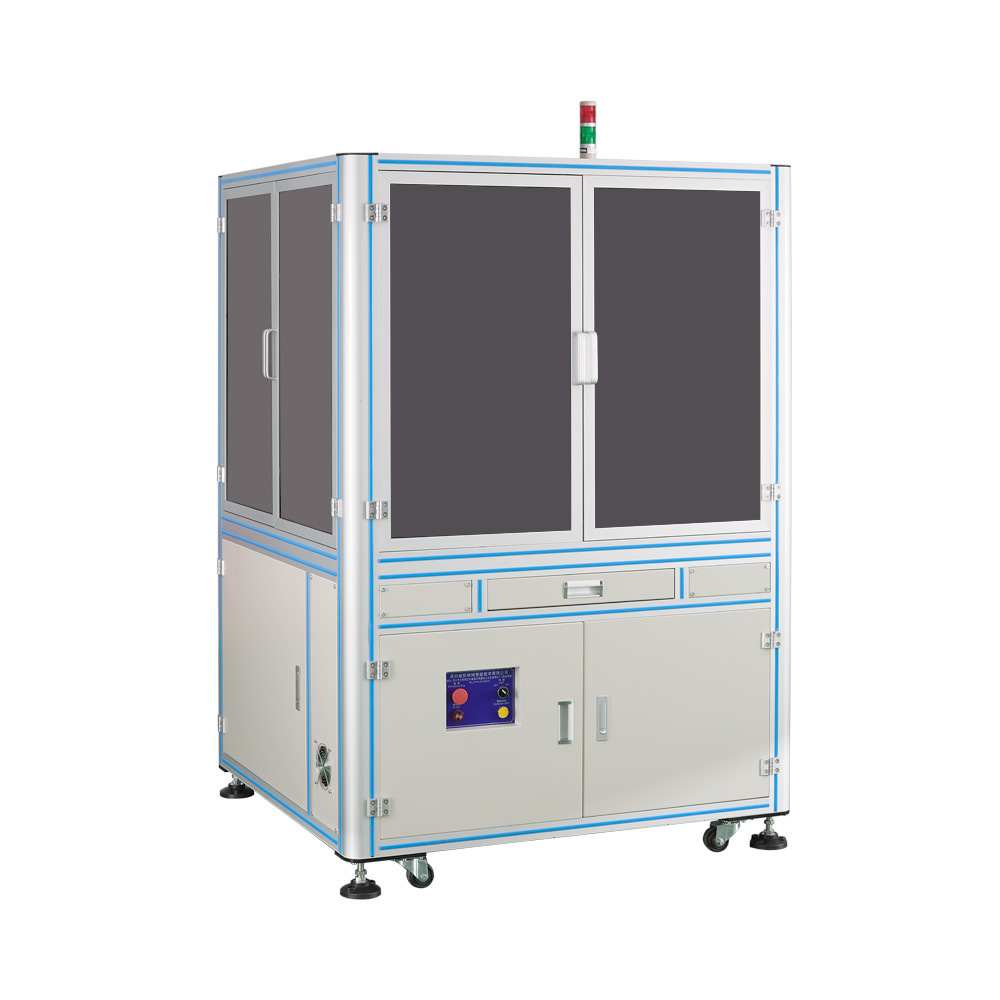
Optical inspection equipment, or OIE for short, is a game changer in the realm of quality control. Think of it as the eagle-eyed supervisor of manufacturing processes, ensuring that every product meets strict quality standards. This equipment utilizes advanced imaging technology to detect defects, measure dimensions, and verify the integrity of materials. From the automotive industry to electronics manufacturing, OIE plays a crucial role in maintaining high standards.
Why Is Optical Inspection Equipment Essential?
In today’s fast-paced world, the old “eyeball it” method just doesn’t cut it anymore. Companies are under immense pressure to deliver flawless products at lightning speed. Here’s where OIE comes into play:
- Accuracy: Optical inspection equipment can identify imperfections that the human eye might miss.
- Speed: It dramatically reduces the time taken to inspect products, allowing for quicker production lines.
- Cost-Effective: By catching defects early, businesses can save on costly recalls or repairs.
Common Questions About Optical Inspection Equipment
Let’s face it, even the most tech-savvy folks can have questions! Here are some of the most frequently asked questions about optical inspection equipment:
1. How Does Optical Inspection Equipment Work?
Great question! Optical inspection equipment typically employs cameras and sophisticated software to analyze images of the product. These images are then compared against predefined specifications. If something looks off, the system flags it for further inspection. It’s a bit like having a super smart assistant who’s always on the lookout for mistakes!
2. What Industries Use Optical Inspection Equipment?
You’d be surprised! OIE is used across various sectors, including:
- Electronics: To inspect circuit boards and microchips.
- Automotive: For checking parts like gears and brakes.
- Pharmaceuticals: To ensure packaging integrity and label accuracy.
In essence, if there’s a product involved, there’s likely an application for optical inspection equipment!
3. What Are the Benefits of Using Optical Inspection Equipment?
Well, buckle up! The benefits are plenty:
- Improved Quality: Consistent quality checks lead to fewer defects.
- Enhanced Productivity: Faster inspection means more products get out the door.
- Data Collection: Many systems provide valuable data for continuous improvement.
In short, investing in OIE can be a game changer for your operation.
4. Can Optical Inspection Equipment Be Customized?
Absolutely! Many optical inspection systems can be tailored to meet specific needs. Whether you need to inspect a unique product or require specialized software, customization is key. It’s like having a suit tailored just for you—perfect fit and all!
Conclusion: Embrace the Future with Optical Inspection Equipment
So, there you have it! Optical inspection equipment is not just a luxury; it’s becoming a necessity in various industries. Whether you’re a small startup or a large corporation, integrating OIE into your quality control process can lead to remarkable improvements. Remember, in the world of manufacturing, quality isn’t just an option—it’s a requirement. So, why not take the plunge and embrace this cutting-edge technology?
Contact Us
Ms. Lu: +86-18128878019
Phone: +86 0755-23199519
ADD : Room 302, 402, Building A, Xinpitou Industrial Zone, Kanghong Road, Xinqiang Community, Xinhu Street, Guangming New District, Shenzhen
Online Message
Our team will get in touch with you shortly, so keep an eye on your inbox




