

Demystifying the Optical Screening Machine: How It Works
2024-12-28


Demystifying the Optical Screening Machine: How It Works
Ever wondered how an optical screening machine works? If you’re like most folks, the answer might just be a big, fat ‘no.’ But fear not! Today, we’re diving deep into the nuts and bolts of this fascinating technology that’s revolutionizing industries across the board!
What is an Optical Screening Machine?
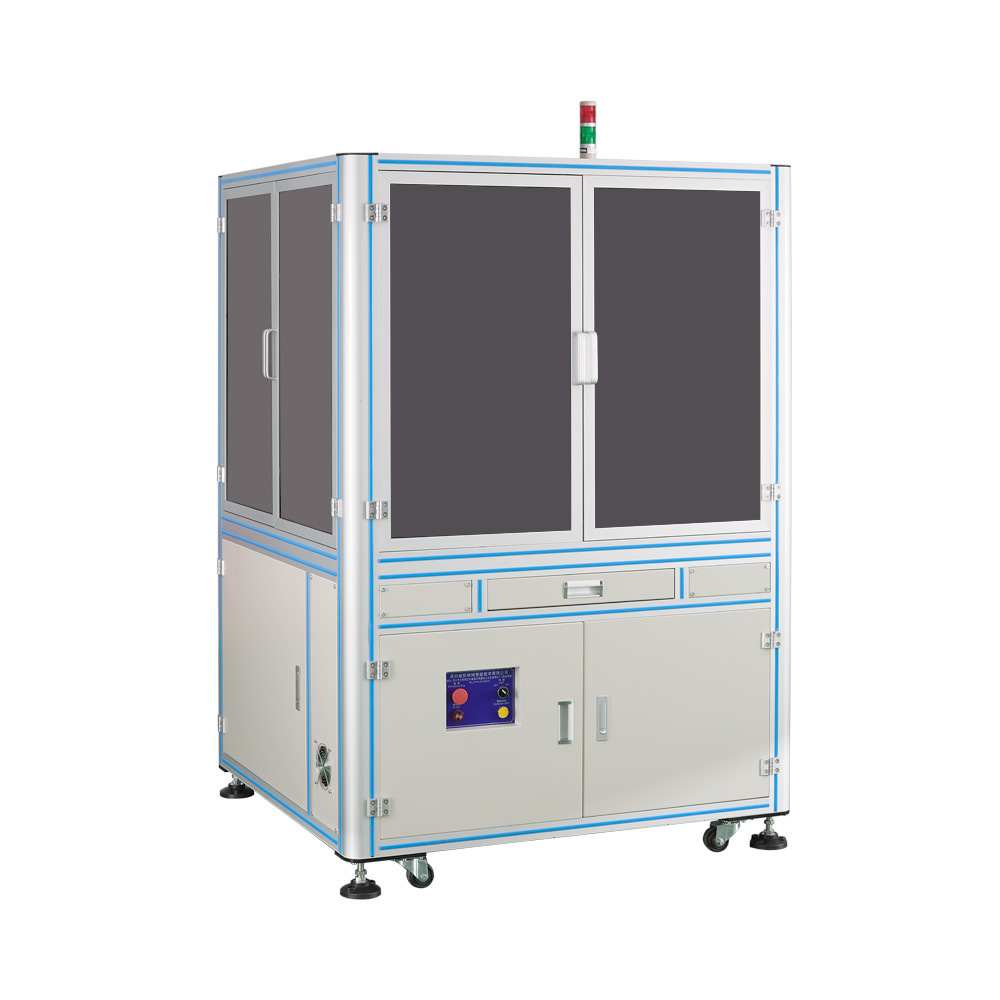
First things first, let’s get the basics down. An optical screening machine, in layman’s terms, is a device that uses light-based technology to inspect and analyze materials. From food safety to pharmaceuticals, this nifty gadget ensures that only the best products make it to the shelves. Talk about a game-changer!
The Magic Behind the Machine
Now, you may be asking, how exactly does this bad boy work? Well, settle in, because it’s a wild ride. The operation of an optical screening machine generally involves a few key components:
- Light Source: This is where the magic begins. The machine uses various light sources—think lasers or LEDs—to illuminate the material being inspected.
- Optical Sensors: These sensors are like the eyes of the machine. They capture the light that bounces off the material, picking up even the tiniest of details.
- Image Processing Unit: This is where the real brainwork happens. The captured images are processed to detect any anomalies or defects, and voilà!
Pretty cool, huh? With these components working together, the optical screening machine can detect quality issues at lightning speed.
Applications Galore!
So, where do we see this technology in action? Grab your popcorn because the list is extensive!
- Food Industry: From detecting foreign objects in snacks to ensuring fruits and veggies are up to snuff, optical screening machines are crucial in maintaining food safety.
- Pharmaceuticals: Quality control is king here! Optical screening helps ensure that every pill is precisely what it should be—no more, no less.
- Manufacturing: Whether it’s inspecting the quality of components or ensuring packaging is intact, optical screening machines are the unsung heroes of the production line.
Can you believe how versatile they are? It’s safe to say that the optical screening machine is making waves across various sectors!
Benefits That Can't Be Ignored
Let’s not beat around the bush; the advantages of using an optical screening machine are plentiful:
- Speed: These machines can analyze materials faster than you can say "quality control!" This boosts efficiency and keeps production lines humming.
- Accuracy: With state-of-the-art sensors, the level of precision is through the roof. Goodbye, human error!
- Cost-Effective: While the initial investment might give you sticker shock, the long-term savings on labor and waste make it worth every penny.
So, if you’re still on the fence about adopting this technology, it might be time to hop off that fence!
Challenges and Considerations
Now, let’s keep it real—no technology is perfect. An optical screening machine does come with its own set of challenges:
- Initial Costs: As mentioned earlier, the upfront cost can be quite hefty.
- Training Required: Employees will need some training to operate the machines effectively, which can be a hurdle for some companies.
But don’t let that dissuade you! The benefits often outweigh the downsides, and with the right approach, these challenges can be easily managed.
Final Thoughts
In conclusion, the optical screening machine is a powerhouse of technology that’s here to stay. Whether you’re in the food industry, pharmaceuticals, or manufacturing, embracing this innovation can elevate your operations to new heights. So, are you ready to jump on the optical screening bandwagon? Trust me, you won’t regret it!
Contact Us
Ms. Lu: +86-18128878019
Phone: +86 0755-23199519
ADD : Room 302, 402, Building A, Xinpitou Industrial Zone, Kanghong Road, Xinqiang Community, Xinhu Street, Guangming New District, Shenzhen
Online Message
Our team will get in touch with you shortly, so keep an eye on your inbox




