

Elevate Your Quality Control with Cutting-Edge CCD Visual Inspection Automated Equipment
2025-01-20


1. Understanding CCD Technology in Visual Inspection
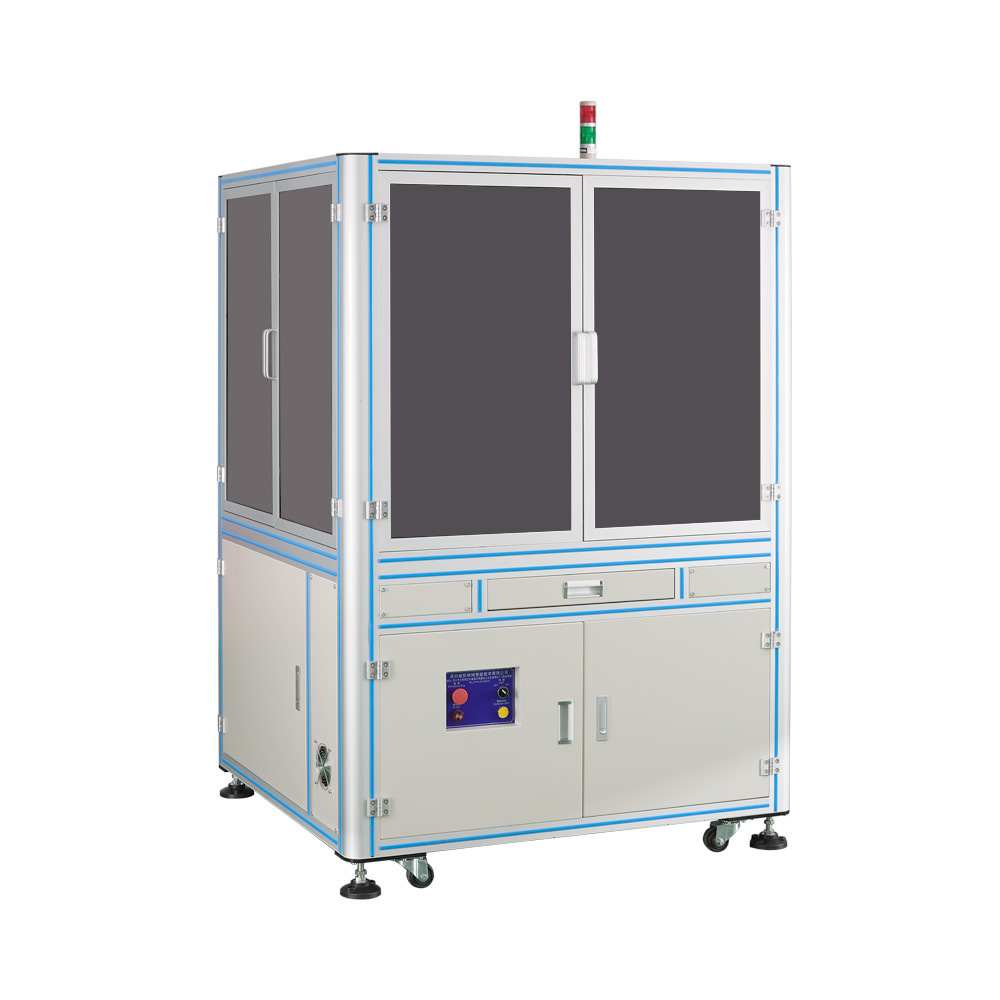
customize CCD visual inspection automated equipment has revolutionized the field of visual inspection in manufacturing and quality control. Originally developed for imaging in cameras, CCDs are now widely used in automated inspection systems due to their superior image quality and sensitivity. These devices capture light and convert it into electronic signals, providing highresolution images that can be analyzed for defects, measurements, and other quality criteria.
In the realm of quality control, the use of CCD sensors allows for detailed analysis of products, ensuring that any defects or discrepancies are identified early in the production process. This proactive approach to quality management not only enhances product reliability but also boosts customer satisfaction.
2. The Importance of Quality Control in Manufacturing
Quality control is a critical component of any manufacturing process. It involves systematic inspection and testing of products to ensure they meet specified standards and customer expectations. In today's competitive landscape, maintaining high quality is essential for business success.
Implementing stringent quality control measures can lead to numerous benefits, including reduced waste, lower production costs, and increased operational efficiency. Moreover, a strong quality assurance program can help companies build a solid reputation, fostering customer loyalty and trust.
3. Key Benefits of CCD Visual Inspection Automated Equipment
Incorporating CCD visual inspection automated equipment oem into your quality control processes can yield significant advantages. Here are the primary benefits that highlight why businesses should consider this technology:
3.1 Enhanced Accuracy and Precision
CCD visual inspection systems deliver exceptional accuracy in detecting defects and inconsistencies. These systems can identify even the smallest anomalies, which traditional inspection methods might miss. This heightened level of precision ensures that only products meeting strict quality standards reach the market.
3.2 Increased Efficiency and Speed
Automated inspection processes powered by CCD technology vastly outpace manual inspection methods. They can perform rapid evaluations, allowing for a higher volume of products to be inspected in a shorter period. This efficiency translates to minimized downtime and maximized output.
3.3 Reduced Labor Costs
By automating the inspection process, businesses can significantly reduce labor costs associated with manual inspections. CCD systems require minimal human intervention, freeing up staff to focus on more strategic tasks. This shift not only lowers operational costs but also increases overall productivity.
3.4 Consistent Quality Assurance
One of the significant advantages of CCD visual inspection is its ability to maintain consistency in quality assurance. Automated systems provide uniform inspection processes, eliminating the variability that can occur with human inspectors. Consistency leads to predictable quality outcomes and enhances overall product reliability.
3.5 Flexibility in Various Applications
CCD visual inspection systems are versatile and can be adapted for various applications across different industries. Whether inspecting electronic components, consumer goods, or intricate optical lenses, these systems can be customized to meet specific quality control requirements.
4. How CCD Visual Inspection Systems Work
Understanding how CCD visual inspection systems operate is crucial for organizations considering their implementation. The process typically involves several key steps:
1. Image Acquisition: The CCD sensor captures highresolution images of the product or component being inspected.
2. Image Processing: Advanced software analyzes the images for defects, dimensions, and other quality parameters. This processing can include techniques such as pattern recognition and machine learning.
3. Decision Making: Based on the analysis, the system determines whether the product meets quality standards or if it should be rejected for further inspection or rework.
4. Reporting: The system generates detailed reports, providing manufacturers with insights into quality trends and areas for improvement.
By integrating these steps into a streamlined workflow, businesses can enhance their quality control processes significantly.
5. Choosing the Right CCD Visual Inspection Equipment
Selecting the appropriate CCD visual inspection equipment is vital to maximizing its benefits. Here are essential considerations to guide your decisionmaking process:
5.1 Assessing Your Quality Control Needs
Before investing in CCD equipment, evaluate your specific quality control requirements. Consider factors such as the types of products being inspected, the level of detail needed, and production volume. Understanding these parameters will help you choose a system that aligns with your operational goals.
5.2 Key Features to Look For
When selecting CCD visual inspection equipment, certain features are crucial:
Resolution: Higher resolution sensors capture more detailed images, enhancing defect detection capabilities.
Speed: Look for systems that offer rapid inspection speeds to keep up with production demands.
Software Compatibility: Ensure the equipment includes robust image processing software that can integrate with your existing production systems.
Adaptability: Choose a system that can be easily adapted for different products and inspection criteria.
6. Implementing CCD Visual Inspection in Your Workflow
The successful implementation of CCD visual inspection systems requires careful planning and execution. Here are steps to effectively integrate these systems into your quality control workflow:
Training: Provide comprehensive training for staff on how to operate and maintain the CCD systems.
Pilot Testing: Conduct pilot tests to evaluate the system’s performance under real production conditions before fullscale implementation.
Feedback Loop: Establish a feedback mechanism to continuously improve the inspection process based on performance data and staff insights.
By following these steps, organizations can seamlessly incorporate CCD visual inspection into their operations, maximizing its benefits.
7. Case Studies: Successful Implementation of CCD Systems
Examining realworld examples of successful CCD visual inspection implementation can provide valuable insights.
Case Study 1: Electronics Manufacturer
An electronics manufacturer integrated CCD visual inspection systems into their production line, resulting in a 30% reduction in defect rates. By automating the inspection process, they were able to maintain consistent quality while significantly increasing production speed.
Case Study 2: Optical Lens Production
A company specializing in optical lenses adopted CCD technology to enhance their quality control measures. They reported improved accuracy in identifying lens defects, which not only reduced returns but also improved customer satisfaction scores.
These case studies illustrate the tangible benefits that CCD visual inspection systems can deliver across various industries.
8. Frequently Asked Questions (FAQs)
Q1: What industries benefit most from CCD visual inspection systems?
A1: Industries such as electronics, automotive, pharmaceuticals, and optical manufacturing benefit greatly from CCD visual inspection due to their need for high precision and quality standards.
Q2: Are CCD visual inspection systems customizable?
A2: Yes, most CCD systems can be tailored to meet specific inspection criteria and product types, making them versatile for various applications.
Q3: How does CCD technology compare to traditional inspection methods?
A3: CCD technology offers superior accuracy, speed, and consistency compared to traditional manual inspection methods, minimizing the risk of human error.
Q4: What is the lifespan of a CCD visual inspection system?
A4: The lifespan of a CCD system varies depending on usage and maintenance. With proper care, these systems can last several years while delivering reliable performance.
Q5: Can CCD systems integrate with existing manufacturing processes?
A5: Yes, many CCD visual inspection systems are designed to integrate seamlessly with existing workflows, enhancing overall quality control without major disruptions.
9. Conclusion: Transforming Quality Control with CCD Technology
In conclusion, adopting CCD visual inspection automated equipment of china is a strategic move for businesses aiming to enhance their quality control processes. By leveraging the superior accuracy, speed, and consistency that CCD technology offers, organizations can significantly reduce defects, improve operational efficiency, and deliver higher quality products to customers.
As manufacturing continues to evolve, investing in advanced inspection technologies like CCD will not only streamline processes but also solidify a company’s reputation for excellence in quality assurance. Embracing this innovative approach positions businesses for success in a competitive market, ensuring they meet and exceed customer expectations.
Contact Us
Ms. Lu: +86-18128878019
Phone: +86 0755-23199519
ADD : Room 302, 402, Building A, Xinpitou Industrial Zone, Kanghong Road, Xinqiang Community, Xinhu Street, Guangming New District, Shenzhen
Online Message
Our team will get in touch with you shortly, so keep an eye on your inbox




