

Enhancing Magnetic Material Processing with CCD Optical Sorting Systems
2025-03-10


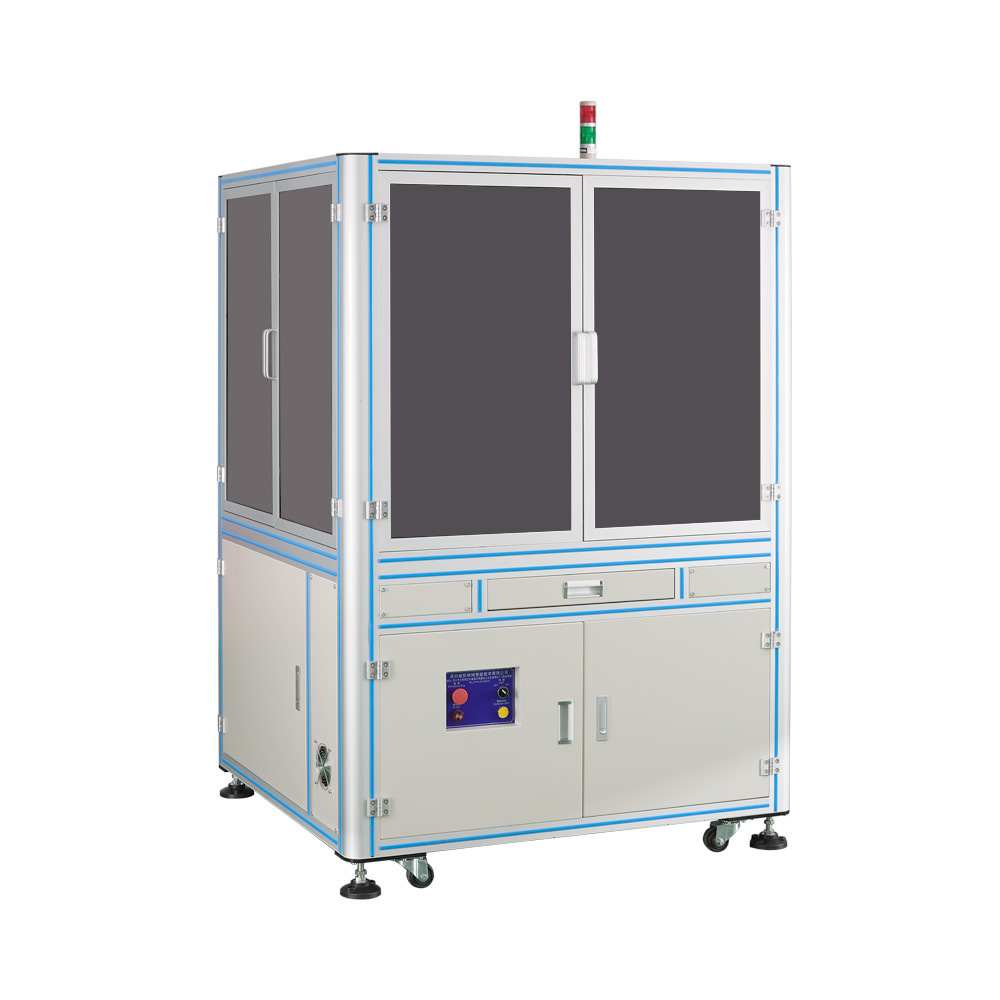
In the manufacturing and processing equipment industry, particularly in the domain of crushing and sorting machinery, the integration of CCD optical sorting systems for magnetic materials has proven to be a game changer. These systems utilize CCD (Charge-Coupled Device) technology to enhance the identification and sorting capabilities of non-ferrous and ferrous materials, effectively increasing yield and efficiency in processing operations.
CCD optical sorting systems leverage high-resolution cameras and sophisticated software algorithms to analyze materials on a conveyor belt at high speeds. By capturing detailed images of each material piece, these systems can detect and differentiate magnetic materials from non-magnetic ones with remarkable accuracy. This technology is crucial in recycling applications, where the separation of valuable magnetic materials—like certain metals—from contaminants can significantly impact profitability.
One of the primary benefits of using CCD optical sorting systems is their ability to minimize product waste. Traditional sorting methods often rely on manual intervention or less precise mechanical sorting techniques, which can result in lower sorting accuracy and higher operating costs. In contrast, CCD systems automate this process, allowing for real-time adjustments based on the material's properties. As a result, manufacturers can achieve higher purity levels in their sorted materials, enhancing the quality of the end product.
Moreover, these systems are designed to handle a wide range of particle sizes and various material compositions, making them versatile for different applications within the manufacturing sector. The adaptability of CCD optical sorting systems also means they can be integrated seamlessly into existing processing lines, providing a straightforward upgrade to enhance operational efficiency without the need for a complete overhaul of the current system.
In addition to operational efficiencies, another critical aspect of CCD optical sorting systems is their contribution to sustainability. By improving the recovery of magnetic materials, these systems reduce the need for virgin material extraction, supporting eco-friendly practices within the industry. This not only aligns with global sustainability goals but also helps businesses meet increasing regulatory demands for environmentally responsible manufacturing.
In conclusion, the use of CCD optical sorting systems for magnetic materials offers a multitude of advantages for manufacturers in the crushing and sorting machinery sector. By enhancing sorting accuracy, increasing material recovery rates, and promoting sustainable practices, these systems are essential for any manufacturing operation looking to remain competitive in today's market. Investing in this advanced technology can lead to significant operational improvements and a stronger bottom line.
Contact Us
Ms. Lu: +86-18128878019
Phone: +86 0755-23199519
ADD : Room 302, 402, Building A, Xinpitou Industrial Zone, Kanghong Road, Xinqiang Community, Xinhu Street, Guangming New District, Shenzhen
Online Message
Our team will get in touch with you shortly, so keep an eye on your inbox




