

Enhancing Quality Control: The Role of AOI Inspection Equipment in Optical Instrumentation
2025-04-09


Enhancing Quality Control: The Role of AOI Inspection Equipment in Optical Instrumentation
Table of Contents
- Introduction to AOI Inspection Equipment
- The Importance of Quality Control in Optical Manufacturing
- What is AOI Inspection Equipment?
- How AOI Works: The Technology Behind the Scenes
- Advantages of AOI Inspection in Quality Control
- Applications of AOI Inspection Equipment in Optical Industries
- Choosing the Right AOI Equipment for Your Quality Control Needs
- The Future of AOI Technology in Quality Assurance
- FAQs on AOI Inspection Equipment
- Conclusion: The Future of Quality Control with AOI
Introduction to AOI Inspection Equipment
In the fast-evolving field of optical instrumentation, maintaining high-quality standards is paramount. **Automated Optical Inspection (AOI)** equipment has emerged as a game changer, transforming how manufacturers conduct quality control. This article delves into the intricacies of AOI, its significance in quality assurance, and how it enhances the manufacturing processes of optical lenses and instruments.
The Importance of Quality Control in Optical Manufacturing
Quality control (QC) is critical in manufacturing, particularly in the production of optical instruments. The **optical industry** demands precision and accuracy, as even minor defects can lead to catastrophic failures in performance. Effective quality control ensures that products meet required specifications and standards, thereby enhancing customer satisfaction and reducing returns and warranty claims.
Moreover, the implications of poor quality extend beyond financial costs; they can damage a company’s reputation and, in industries such as healthcare and telecommunications, impact safety and functionality. Therefore, adopting advanced quality control measures, including AOI, is essential for manufacturers aiming to stay competitive in the optical market.
What is AOI Inspection Equipment?
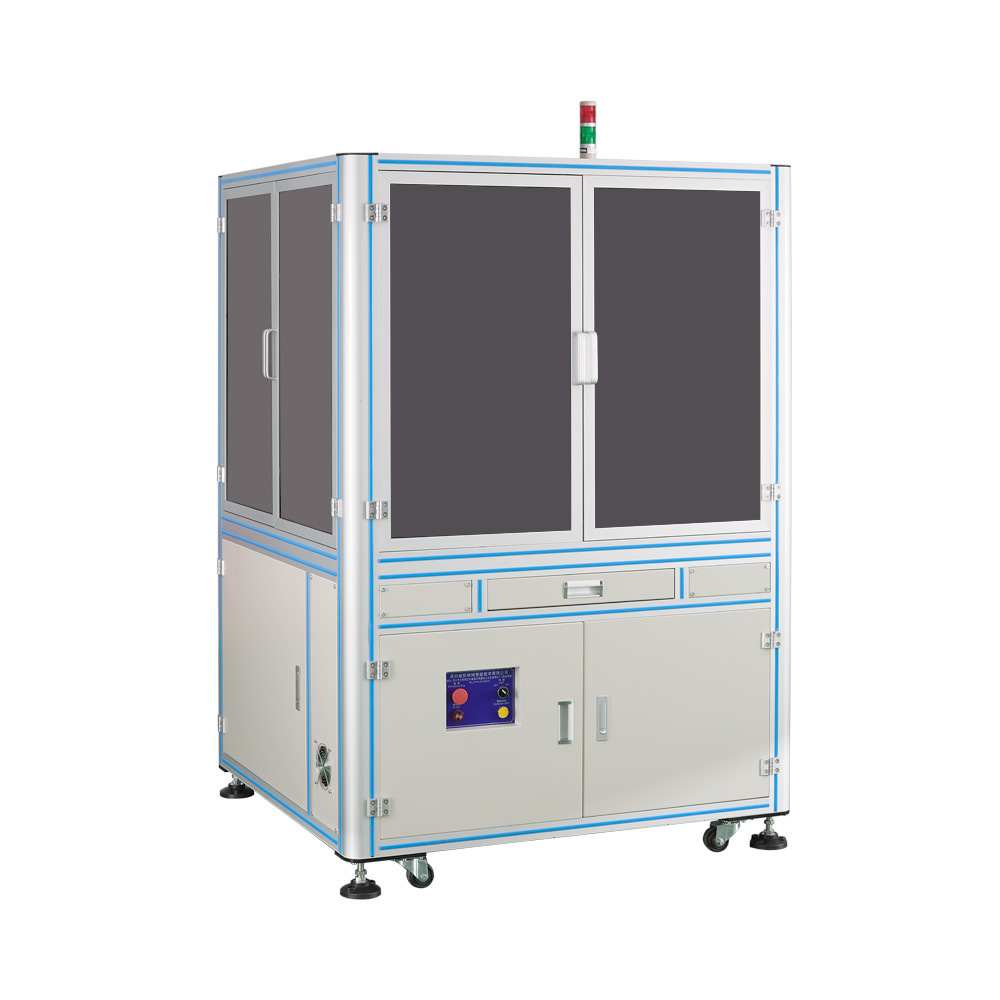
**Automated Optical Inspection (AOI)** refers to the use of computer-controlled systems to inspect products for defects. These systems utilize advanced imaging technology and sophisticated algorithms to evaluate optical components meticulously. AOI equipment is designed to detect various defects, such as misalignment, surface blemishes, and incorrect dimensions, much faster and with greater accuracy than human inspectors.
In optical manufacturing, AOI systems are particularly valuable due to their ability to handle complex geometries and intricate details that are characteristic of optical lenses and instruments. This technology not only streamlines the inspection process but also significantly enhances the reliability and consistency of quality control.
How AOI Works: The Technology Behind the Scenes
The working mechanism of AOI involves several critical steps:
1. Imaging
AOI systems employ high-resolution cameras to capture detailed images of optical components. These cameras can be tuned to specific wavelengths, allowing them to detect defects that may not be visible to the naked eye.
2. Image Processing
Once the images are captured, sophisticated algorithms analyze them to identify defects. These algorithms utilize techniques such as edge detection, pattern recognition, and machine learning to ensure high accuracy in defect detection.
3. Decision Making
Upon identifying defects, the AOI system makes real-time decisions about whether an optical component meets the required specifications. This immediate feedback enables manufacturers to address issues promptly, reducing wastage and improving overall efficiency.
4. Reporting
After the inspection is complete, the AOI system generates comprehensive reports detailing the findings. This data is invaluable for manufacturers as it enables them to track performance trends, identify recurring issues, and implement corrective actions as needed.
Advantages of AOI Inspection in Quality Control
Implementing AOI inspection equipment in the quality control processes of optical manufacturing offers numerous advantages:
1. Enhanced Accuracy
AOI systems provide unparalleled accuracy in defect detection, ensuring that even the smallest flaws are identified before products reach customers.
2. Increased Efficiency
With AOI equipment, manufacturers can conduct inspections at a much faster rate compared to manual methods. This efficiency leads to shorter production cycles and quicker time-to-market.
3. Cost Savings
By minimizing defects and reducing rework, AOI systems help manufacturers save on production costs. The initial investment in AOI technology can be quickly offset by the savings from improved quality control.
4. Consistency and Reliability
AOI technology consistently delivers accurate results, reducing the variability associated with human inspection. This reliability is crucial in maintaining high-quality standards across production batches.
5. Comprehensive Data Collection
The reporting capabilities of AOI systems allow manufacturers to collect valuable data on defects and production processes. This information can be used to drive continuous improvement initiatives and enhance overall quality management.
Applications of AOI Inspection Equipment in Optical Industries
AOI inspection equipment plays a vital role in various applications within the optical industry:
1. Lens Manufacturing
In the production of optical lenses, AOI systems are used to detect surface defects, coating irregularities, and dimensional inaccuracies, ensuring that only top-quality lenses are dispatched.
2. Assembly Verification
AOI equipment is essential for verifying the correct assembly of optical instruments, including cameras and microscopes. It ensures that all components are correctly positioned and functioning as intended.
3. Medical Devices
In the medical field, AOI plays a crucial role in ensuring the quality of optical devices such as endoscopes and imaging systems, where precision is critical for patient safety.
4. Telecommunications
Optical inspection is vital in the telecommunications sector, where fiber optics and related components must meet stringent quality standards to ensure reliable data transmission.
Choosing the Right AOI Equipment for Your Quality Control Needs
Selecting the appropriate AOI inspection equipment involves several considerations:
1. Type of Products
Understanding the specific requirements of the products being inspected is crucial. Different AOI systems may be tailored for various optical components.
2. Inspection Speed
The required inspection speed can affect the choice of AOI equipment. For high-volume production lines, faster systems may be necessary to maintain efficiency.
3. Budget
While investing in AOI equipment can lead to significant long-term savings, it is essential to consider the initial costs and choose an option that fits within your budget while meeting your quality control needs.
4. Technical Support
Consider the level of technical support and training offered by the AOI equipment manufacturer. Adequate support is vital for effective implementation and operation.
The Future of AOI Technology in Quality Assurance
The future of AOI technology in quality control is promising. Advancements in artificial intelligence (AI) and machine learning are set to enhance the capabilities of AOI systems further. Future developments may include:
1. Improved Algorithms
AI-driven algorithms will likely lead to even more accurate and reliable defect detection, further minimizing false positives and negatives.
2. Integration with Industry 4.0
As manufacturing increasingly embraces smart technology, AOI systems will integrate with IoT and data analytics platforms, providing real-time insights into production processes and quality metrics.
3. Customization Options
Future AOI systems may offer more customizable features, allowing manufacturers to tailor inspections based on specific product requirements and operational preferences.
FAQs on AOI Inspection Equipment
1. What is the primary function of AOI inspection equipment?
**AOI inspection equipment's primary function** is to detect defects in optical components and instruments during the manufacturing process, ensuring high-quality standards.
2. How does AOI technology improve efficiency in production?
AOI technology improves efficiency by conducting inspections faster than manual methods, allowing for shorter production cycles and quicker time-to-market.
3. Can AOI systems handle complex geometries in optical components?
Yes, **AOI systems** are designed to handle complex geometries and intricate details typical in optical components, providing accurate inspections.
4. What industries benefit from AOI inspection equipment?
Industries such as medical devices, telecommunications, and general optical manufacturing greatly benefit from AOI inspection equipment for quality control.
5. How can manufacturers choose the right AOI system for their needs?
Manufacturers should consider product types, inspection speed, budget, and technical support when selecting the right AOI system for their quality control needs.
Conclusion: The Future of Quality Control with AOI
The integration of **Automated Optical Inspection (AOI)** equipment in the optical industry represents a significant leap forward in quality control standards. As manufacturers strive to meet ever-increasing demands for precision and reliability, AOI technology offers the tools necessary to ensure that optical lenses and instruments are produced to the highest specifications.
By embracing AOI systems, optical manufacturers can enhance efficiency, reduce costs, and maintain a competitive edge in the market. As technology continues to advance, the role of AOI in quality assurance will undoubtedly expand, leading to even greater innovations in optical instrumentation. Investing in AOI equipment today will not only improve the quality of your products but also secure your position as a leader in the optical industry of tomorrow.
Contact Us
Ms. Lu: +86-18128878019
Phone: +86 0755-23199519
ADD : Room 302, 402, Building A, Xinpitou Industrial Zone, Kanghong Road, Xinqiang Community, Xinhu Street, Guangming New District, Shenzhen
Online Message
Our team will get in touch with you shortly, so keep an eye on your inbox




