

Enhancing Quality Control: The Role of CCD Visual Inspection Automated Equipment in China
2025-01-15


Enhancing Quality Control: The Role of CCD Visual Inspection Automated Equipment in China
Table of Contents
- 1. Introduction to CCD Visual Inspection Systems
- 2. Importance of Quality Control in Manufacturing
- 3. What is CCD Visual Inspection?
- 4. Benefits of Implementing CCD Visual Inspection Equipment
- 5. Applications of CCD Visual Inspection in Various Industries
- 6. Challenges in Implementing CCD Visual Inspection Systems
- 7. Future Trends in CCD Visual Inspection Technology
- 8. Conclusion
- 9. Frequently Asked Questions
1. Introduction to CCD Visual Inspection Systems
In the rapidly advancing technological landscape of China, quality control has emerged as a critical component in manufacturing processes. Among the most significant innovations in this domain is **Charge-Coupled Device (CCD)** visual inspection automated equipment. This sophisticated technology enables manufacturers to maintain stringent quality standards while enhancing operational efficiency. In this article, we will explore the pivotal role of CCD visual inspection systems in elevating quality control measures across various sectors in China.
2. Importance of Quality Control in Manufacturing
Quality control plays an essential role in the manufacturing industry. It encompasses the processes that ensure products meet specific standards before they reach consumers. Effective quality control not only minimizes defects and waste but also enhances customer satisfaction and brand reputation. In a competitive market like China, where manufacturing is a backbone of the economy, incorporating robust quality control measures is imperative. The following points underscore the necessity of quality control:
- **Reduction in Defects**: Quality control systematically identifies and addresses defects in products, ensuring only the best reach the market.
- **Cost Efficiency**: By minimizing errors in production, companies can significantly reduce costs associated with returns and reworks.
- **Customer Trust**: Consistently delivering high-quality products cultivates trust and loyalty among consumers.
- **Regulatory Compliance**: Many industries are subject to stringent regulations which demand adherence to quality standards.
3. What is CCD Visual Inspection?
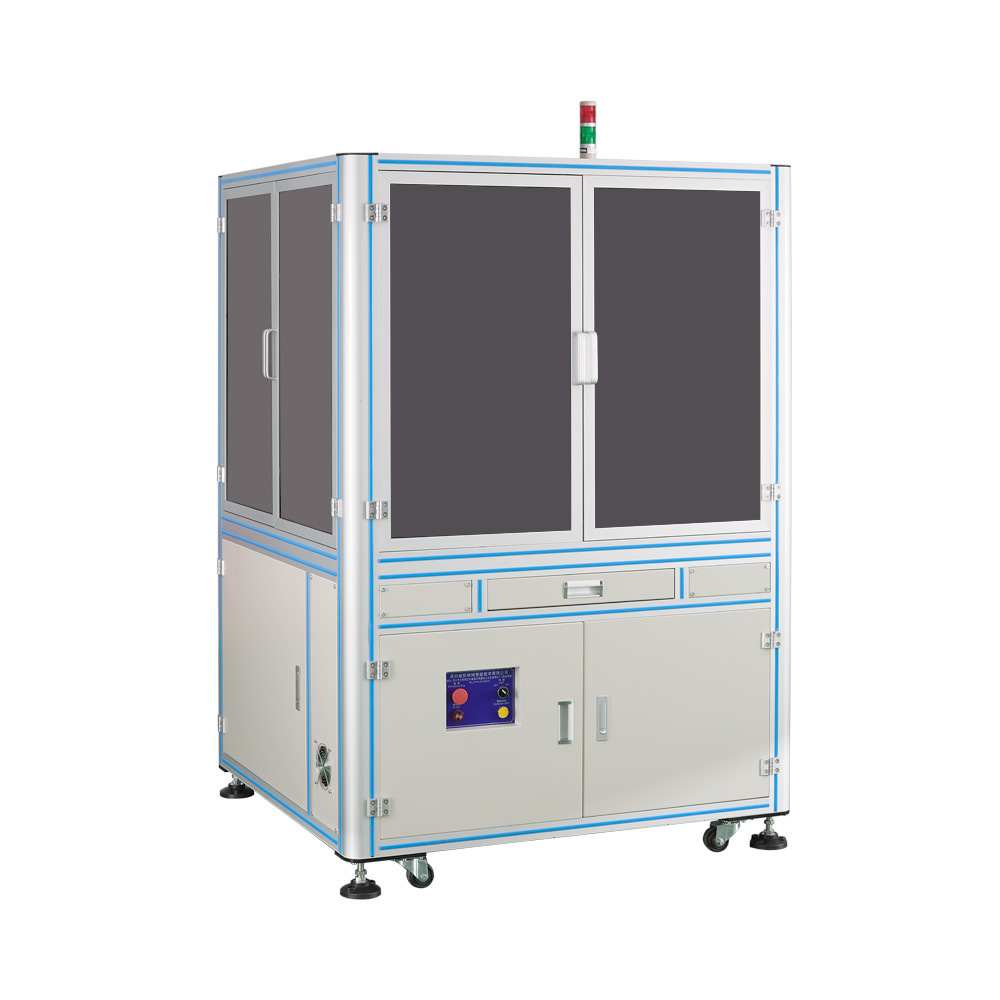
CCD visual inspection involves the use of **CCD sensors** to capture high-resolution images of products on production lines. These images are analyzed in real-time to detect any deviations from quality standards. The technology employs sophisticated algorithms and image processing techniques to assess product quality with remarkable precision. Here’s how it works:
- **Image Acquisition**: The CCD camera captures detailed images of the items being inspected.
- **Image Processing**: Advanced software analyzes these images for defects, ensuring accurate evaluation.
- **Data Logging**: Inspection results are logged for future reference and analysis, facilitating continuous improvement.
This automated inspection system provides a reliable, efficient, and scalable solution to traditional manual inspection methods, which can be prone to human error.
4. Benefits of Implementing CCD Visual Inspection Equipment
The adoption of CCD visual inspection systems presents numerous advantages for manufacturers in China. These benefits include:
4.1 Increased Accuracy
The precision of CCD sensors far exceeds human capabilities. This technology can detect minute defects that may go unnoticed during manual inspections.
4.2 Enhanced Speed and Efficiency
Automated inspection can process thousands of items in a fraction of the time it would take human inspectors, significantly speeding up production lines.
4.3 Cost-Effective Solutions
While the initial investment in CCD technology may be substantial, the long-term savings associated with reduced defects and increased efficiency often outweigh the costs.
4.4 Improved Consistency
Automated systems provide uniform inspection processes, ensuring consistent quality across all products. This consistency is vital in maintaining brand integrity.
4.5 Real-time Monitoring and Feedback
The ability to monitor products in real-time allows for immediate feedback and adjustments, helping to minimize downtime and optimize production processes.
5. Applications of CCD Visual Inspection in Various Industries
CCD visual inspection technology finds applications in multiple sectors, each benefiting uniquely from its implementation:
5.1 Electronics Manufacturing
In the electronics sector, CCD systems are vital for inspecting circuit boards, ensuring that all components are correctly placed and soldered, thus preventing costly failures.
5.2 Automotive Industry
Automotive manufacturers utilize CCD inspection to verify the quality of components such as wiring harnesses, ensuring that they meet safety and performance standards.
5.3 Pharmaceutical Industry
In pharmaceuticals, these systems help monitor packaging integrity and detect contamination, ensuring compliance with health regulations.
5.4 Food and Beverage Sector
In food processing, CCD technology is employed to inspect packaging and ensure product quality, particularly in detecting foreign materials.
5.5 Textile Industry
The textile sector benefits from CCD inspection by monitoring fabric quality and detecting defects in patterns or weaves, ensuring high standards in clothing production.
6. Challenges in Implementing CCD Visual Inspection Systems
Despite the numerous benefits, the adoption of CCD visual inspection systems comes with challenges:
6.1 High Initial Costs
The upfront investment for CCD equipment and software can be daunting for smaller manufacturers, potentially hindering adoption.
6.2 Technical Expertise Requirement
Operators require training to manage and maintain CCD systems, necessitating additional resources and time for effective implementation.
6.3 Integration with Existing Processes
Incorporating CCD systems into established production lines may encounter compatibility issues, requiring careful planning and investment in infrastructure.
7. Future Trends in CCD Visual Inspection Technology
Looking ahead, several trends may shape the future of CCD visual inspection technology in China:
7.1 Artificial Intelligence Integration
Integrating AI with CCD visual inspection systems can enhance defect detection capabilities, learning from historical data to improve accuracy over time.
7.2 Miniaturization of Equipment
As technology advances, there will be a trend towards smaller, more compact CCD systems, making them more accessible for various applications.
7.3 Enhanced Data Analytics
Future CCD systems will likely feature advanced data analytics capabilities, providing deeper insights into production processes and quality control metrics.
7.4 Cost Reduction through Innovation
Ongoing research and development efforts will focus on reducing the costs associated with CCD technology, making it more feasible for a broader range of manufacturers.
8. Conclusion
The implementation of CCD visual inspection automated equipment marks a significant advancement in quality control processes within the manufacturing landscape of China. By enhancing accuracy, speed, and efficiency, these systems not only minimize defects but also foster a culture of continuous improvement. As technology evolves, the integration of artificial intelligence and advanced data analytics will further revolutionize quality control, positioning manufacturers to meet the demanding standards of the global market. Investing in CCD visual inspection technology today ensures that companies remain competitive and maintain a reputation for excellence in product quality.
9. Frequently Asked Questions
What is CCD visual inspection equipment?
CCD visual inspection equipment uses advanced sensors to capture high-resolution images of products for quality assessment, facilitating automated inspection processes.
How does CCD technology enhance quality control?
CCD technology enhances quality control by providing accurate, consistent inspections that minimize defects and improve production efficiency.
What industries benefit from CCD visual inspection systems?
Industries such as electronics, automotive, pharmaceuticals, food and beverage, and textiles significantly benefit from CCD visual inspection systems.
Are there challenges in implementing CCD systems?
Yes, challenges include high initial costs, the need for technical expertise, and potential integration issues with existing processes.
What are the future trends for CCD visual inspection?
Future trends include AI integration, miniaturization of equipment, enhanced data analytics, and cost reduction innovations.
Contact Us
Ms. Lu: +86-18128878019
Phone: +86 0755-23199519
ADD : Room 302, 402, Building A, Xinpitou Industrial Zone, Kanghong Road, Xinqiang Community, Xinhu Street, Guangming New District, Shenzhen
Online Message
Our team will get in touch with you shortly, so keep an eye on your inbox




