

Enhancing Quality Control with AOI Visual Inspection in Optical Instruments
2025-04-03


In the realm of optical instruments and lenses, maintaining high-quality standards is paramount. One of the most effective methods to achieve this is through Automated Optical Inspection (AOI) visual inspection. This technology has revolutionized quality control processes, providing reliable solutions that enhance product integrity while reducing human error.
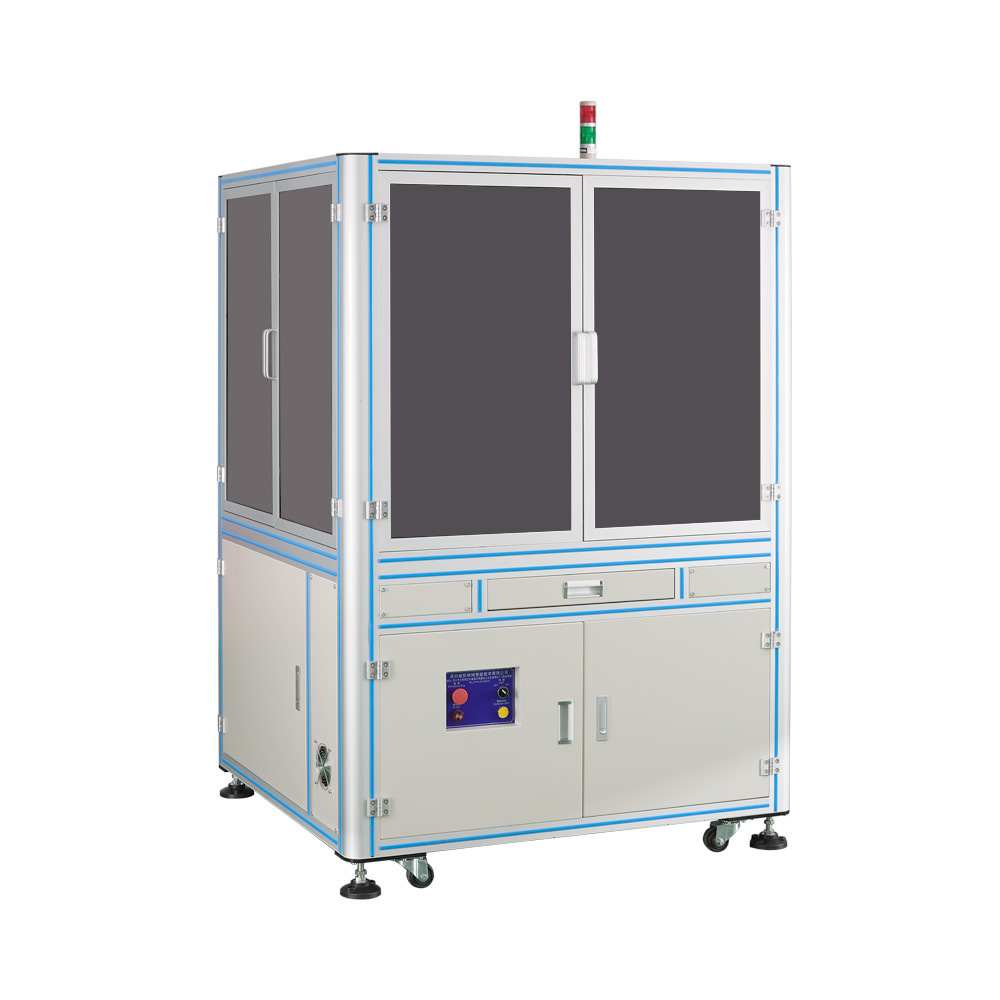
AOI visual inspection utilizes sophisticated imaging technology to automatically examine the surfaces of optical components for defects. The process involves capturing high-resolution images of the lenses and analyzing them against predefined specifications. This not only streamlines the inspection process but also increases the accuracy of defect detection, as it can identify even the smallest imperfections that could affect optical performance.
One of the key advantages of AOI visual inspection is its ability to operate at high speed, which is essential in a high-volume production environment. Traditional manual inspections can be time-consuming and labor-intensive, leading to potential bottlenecks in the production line. In contrast, AOI systems can quickly scan multiple lenses simultaneously, significantly enhancing throughput and efficiency.
Moreover, AOI visual inspection provides consistent and repeatable results. Unlike human inspectors, who may have variable levels of attention or experience, automated systems operate with the same level of precision every time. This consistency helps in building a reliable quality assurance framework, crucial for meeting industry standards and customer expectations.
Integrating AOI visual inspection into your optical production line also allows for real-time monitoring and data collection. The systems can generate detailed reports and analytics on defect rates, types of imperfections, and other vital metrics. This data can be invaluable for continuous improvement initiatives, enabling manufacturers to identify trends and make informed decisions to enhance both product quality and manufacturing processes.
When implementing AOI visual inspection, it is essential to consider the specific requirements of your optical components. Factors such as the type of lens, the intended application, and the nature of potential defects should guide the selection of an appropriate AOI system. Additionally, training personnel to interpret the inspection data effectively will maximize the benefits of this technology.
In conclusion, AOI visual inspection is an indispensable tool for manufacturers in the optical lens and instrument industry. By embracing this technology, businesses can not only enhance their quality control processes but also ensure the delivery of superior products to their customers. As the demand for precise optical instruments continues to grow, investing in advanced inspection technologies like AOI will be critical for maintaining a competitive edge.
Contact Us
Ms. Lu: +86-18128878019
Phone: +86 0755-23199519
ADD : Room 302, 402, Building A, Xinpitou Industrial Zone, Kanghong Road, Xinqiang Community, Xinhu Street, Guangming New District, Shenzhen
Online Message
Our team will get in touch with you shortly, so keep an eye on your inbox




