

Exploring the Advanced Technology Behind Visual Inspection Screening Machines
2025-09-22


Exploring the Advanced Technology Behind Visual Inspection Screening Machines
Table of Contents
- 1. Introduction to Visual Inspection Screening Machines
- 2. Technology Overview: How Visual Inspection Screening Machines Work
- 3. Benefits of Visual Inspection Screening Machines in Manufacturing
- 4. Applications of Visual Inspection Screening Machines Across Industries
- 5. Key Components of Visual Inspection Screening Machines
- 6. Future Developments in Visual Inspection Technologies
- 7. Common Challenges in Visual Inspection Screening
- 8. Frequently Asked Questions (FAQs)
- 9. Conclusion
1. Introduction to Visual Inspection Screening Machines
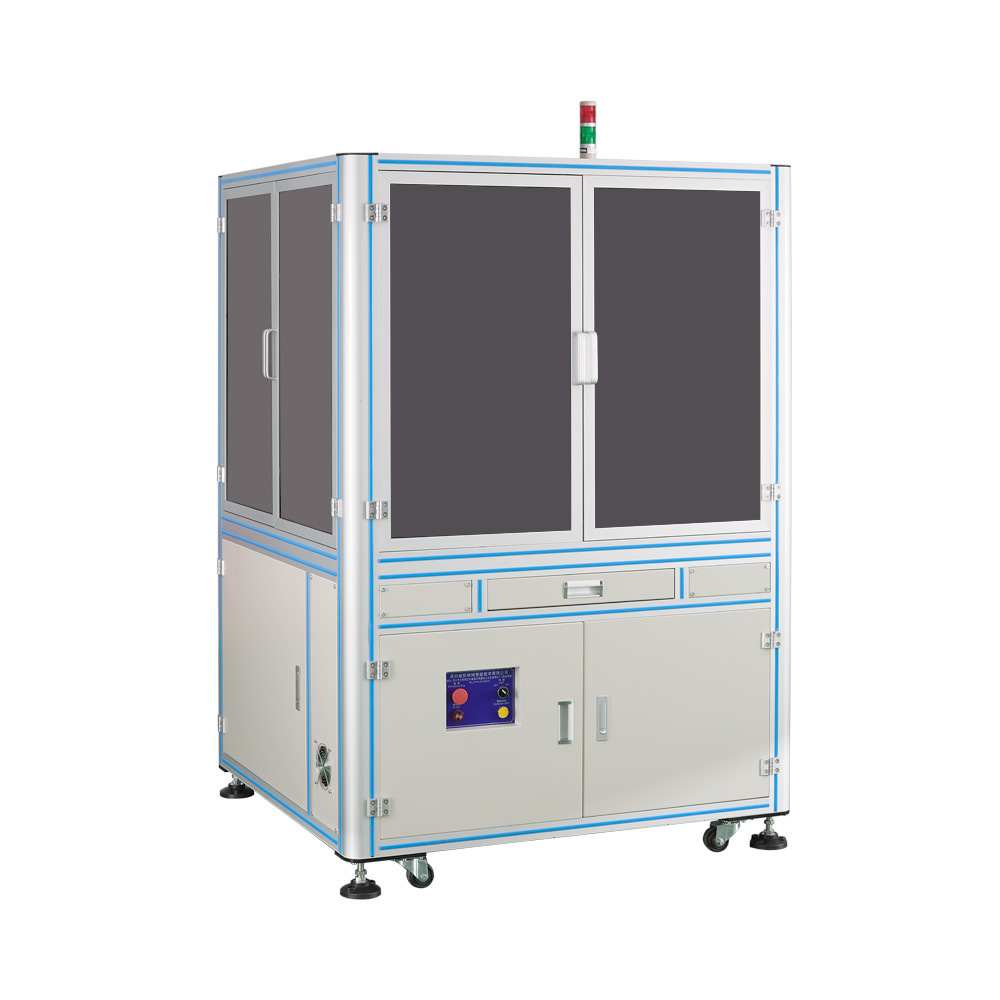
Visual inspection screening machines are vital tools in modern manufacturing, playing a crucial role in ensuring product quality and consistency. These machines utilize advanced imaging technologies to detect defects, verify characteristics, and sort products efficiently. By automating the inspection process, manufacturers can reduce errors, minimize waste, and enhance productivity.
As industries strive for greater efficiency and quality assurance, the reliance on visual inspection screening machines continues to grow. This article explores the cutting-edge technology that powers these machines, their applications across various sectors, and the benefits they bring to the manufacturing landscape.
2. Technology Overview: How Visual Inspection Screening Machines Work
Visual inspection screening machines utilize a combination of hardware and software components to perform rapid and accurate inspections. At the heart of these machines is a sophisticated imaging system, often employing high-resolution cameras or laser scanners to capture detailed images of products as they move along a production line.
2.1 Imaging Technology
The imaging technology used in visual inspection screening machines can vary significantly. Common types include:
- **Camera Systems**: High-resolution cameras provide real-time imaging of products, enabling the detection of surface defects or anomalies.
- **Laser Scanning**: Lasers can measure dimensions with precision, identifying deviations from specified tolerances.
The choice of imaging technology depends on the specific inspection requirements of the manufacturing process.
2.2 Image Processing Algorithms
Once images are captured, sophisticated image processing algorithms analyze the data. These algorithms can detect patterns, identify defects, and sort products based on predefined criteria. Machine learning techniques are increasingly being integrated into these systems, allowing the machines to improve their accuracy over time by learning from past inspection data.
2.3 Integration with Manufacturing Systems
Visual inspection screening machines are often integrated into broader manufacturing systems. They can communicate with other machinery, enabling automatic feedback loops that adjust production processes based on inspection results. This integration enhances overall efficiency and reduces the likelihood of defective products entering the market.
3. Benefits of Visual Inspection Screening Machines in Manufacturing
Implementing visual inspection screening machines offers numerous benefits, making them indispensable in many manufacturing environments.
3.1 Increased Accuracy
These machines provide a level of accuracy that is difficult to achieve with manual inspections. High-resolution imaging and advanced algorithms ensure that even the smallest defects are detected.
3.2 Enhanced Efficiency
Visual inspection screening machines operate at high speeds, significantly improving the throughput of production lines. Automation reduces the time spent on inspections, allowing manufacturers to focus on other critical areas of production.
3.3 Cost Reduction
By minimizing defects and ensuring product quality, manufacturers can lower their costs associated with returns, rework, and customer complaints. Over time, the investment in such technology pays for itself through improved quality control.
3.4 Greater Consistency
Automating the inspection process leads to more consistent outcomes compared to manual inspections, where human error can introduce variability. This consistency is crucial for maintaining quality standards across production runs.
4. Applications of Visual Inspection Screening Machines Across Industries
Visual inspection screening machines find applications in various industries, each with unique requirements and challenges.
4.1 Food and Beverage Industry
In the food and beverage sector, visual inspection screening machines ensure that products meet safety standards. They can detect foreign objects, verify packaging integrity, and check for labeling accuracy.
4.2 Pharmaceutical Manufacturing
Pharmaceutical companies utilize these machines to ensure the integrity of drug packaging and labeling. They can identify defects that may compromise product safety or efficacy.
4.4 Electronics Manufacturing
In electronics manufacturing, visual inspection screening machines are essential for detecting solder defects, component misalignment, and other issues that can affect product functionality.
4.5 Automotive Industry
The automotive industry relies on these machines for quality assurance in components such as wiring harnesses and car body panels, ensuring compliance with stringent industry standards.
5. Key Components of Visual Inspection Screening Machines
Understanding the components of visual inspection screening machines is crucial for appreciating their functionality and versatility.
5.1 Cameras
Cameras capture high-resolution images for analysis. Their specifications, such as resolution and frame rate, can significantly impact the machine's performance.
5.2 Illumination Systems
Proper illumination is vital for accurate image capture. Advanced lighting systems are designed to minimize shadows and enhance visibility, ensuring that defects are easily detectable.
5.3 Processing Units
Processing units run image processing algorithms and handle data from the imaging systems. They require powerful computing capabilities to analyze images in real time.
5.4 User Interface
A user-friendly interface allows operators to set parameters, monitor inspections, and review results. Modern interfaces often include touchscreens and customizable dashboards.
6. Future Developments in Visual Inspection Technologies
The field of visual inspection technology is evolving rapidly, driven by advancements in artificial intelligence and machine learning.
6.1 AI-Driven Inspection Systems
AI is set to revolutionize visual inspections. By leveraging vast datasets, AI-driven systems can improve defect detection rates and adapt to new inspection parameters without extensive reprogramming.
6.2 Integration with IoT
The integration of visual inspection machines with the Internet of Things (IoT) allows for real-time data sharing and analysis. This connectivity provides insights into production trends and potential issues before they become significant problems.
6.3 Enhanced Imaging Technologies
Future developments may include enhanced imaging technologies that can capture even more detailed information about products, enabling more precise inspections.
7. Common Challenges in Visual Inspection Screening
While visual inspection screening machines offer significant advantages, they also face challenges that manufacturers must address.
7.1 Variability in Product Appearance
Variability in the appearance of products can complicate inspections. For instance, different lighting conditions or changes in product materials may affect image quality.
7.2 Calibration and Maintenance
Regular calibration and maintenance of visual inspection screening machines are necessary to ensure consistent performance. Failure to maintain these machines can lead to decreased accuracy over time.
7.3 Initial Investment Costs
The initial investment in visual inspection screening technology can be substantial. Manufacturers must weigh these costs against potential long-term savings and efficiency gains.
8. Frequently Asked Questions (FAQs)
8.1 What industries benefit the most from visual inspection screening machines?
Visual inspection screening machines are widely used across industries such as food and beverage, pharmaceuticals, electronics, and automotive manufacturing to ensure product quality and safety.
8.2 How do visual inspection machines detect defects?
These machines use high-resolution cameras and advanced image processing algorithms to identify defects by comparing captured images against predefined quality standards.
8.3 Are visual inspection machines suitable for all product types?
While they are versatile, the suitability of visual inspection machines depends on the specific characteristics of the product and the type of inspection required.
8.4 What are the latest trends in visual inspection technology?
Current trends include AI-driven systems, IoT integration, and enhanced imaging technologies that improve accuracy and efficiency in inspections.
8.5 How can manufacturers ensure the accuracy of visual inspection systems?
Regular calibration, maintenance, and the use of high-quality imaging components contribute to the accuracy and reliability of visual inspection systems.
9. Conclusion
Visual inspection screening machines represent a vital component in modern manufacturing, combining advanced technologies to enhance product quality and operational efficiency. As industries continue to embrace automation and seek higher standards of quality assurance, the importance of these machines will only grow. By understanding the technology behind these systems, manufacturers can make informed decisions that benefit their production processes and overall business success. The future holds exciting developments in this field, promising even greater enhancements in inspection capabilities and integration with broader manufacturing systems.
Contact Us
Ms. Lu: +86-18128878019
Phone: +86 0755-23199519
ADD : Room 302, 402, Building A, Xinpitou Industrial Zone, Kanghong Road, Xinqiang Community, Xinhu Street, Guangming New District, Shenzhen
Online Message
Our team will get in touch with you shortly, so keep an eye on your inbox




