

Exploring the Versatile Applications of Optical Inspection Equipment
2025-02-16


Introduction to Optical Inspection Equipment
Ever wondered how manufacturers maintain such high standards in quality? Well, let me tell you—optical inspection equipment is a game changer! This high-tech gear is at the forefront of ensuring products meet exacting specifications.
What is Optical Inspection Equipment?
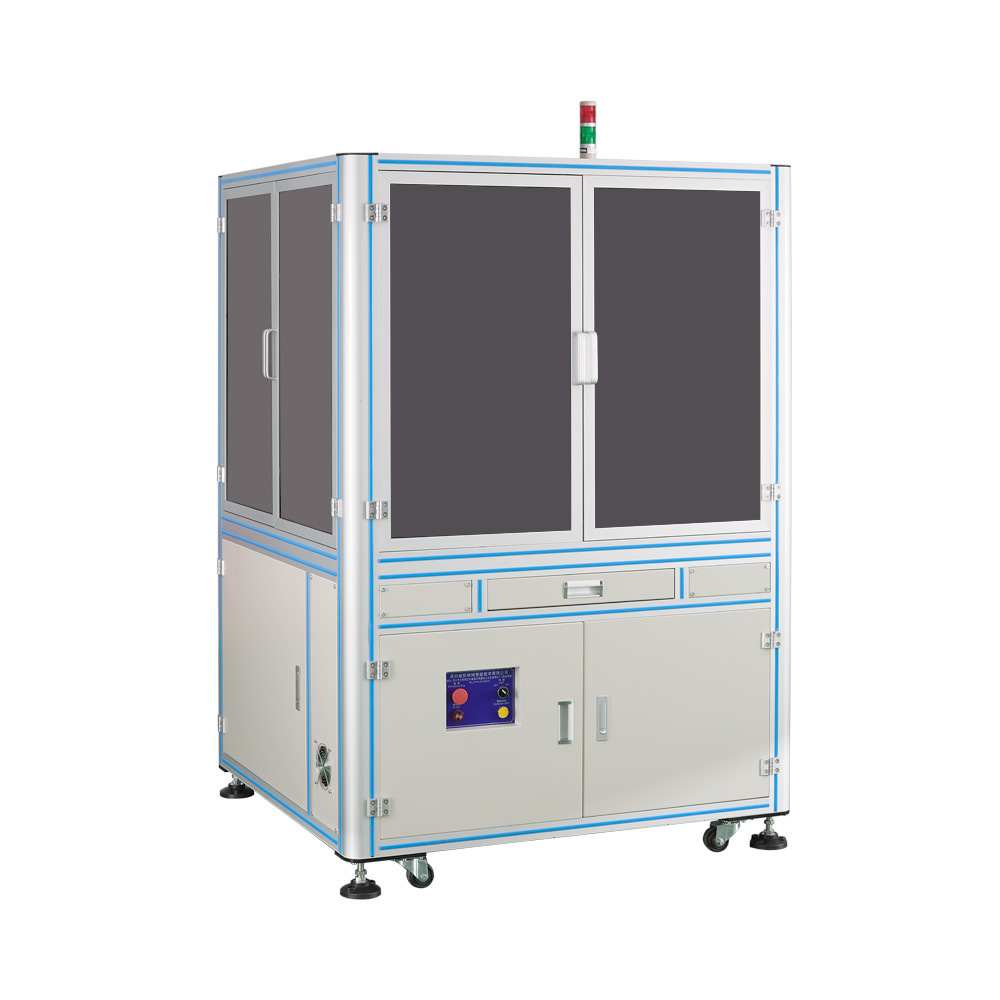
At its core, optical inspection equipment refers to devices that utilize light to detect flaws or measure characteristics in various materials. Imagine having a superpower that lets you see minute details—this equipment does just that! From cameras to laser scanners, the range of tools is vast.
Key Applications Across Industries
Optical inspection equipment isn't just a fancy gadget; it’s a vital part of many industries. Let’s dive into some of the most intriguing applications!
Manufacturing Marvels
In manufacturing, the stakes are high. Any defect can lead to costly recalls or, worse, safety hazards. That’s where optical inspection equipment shines. It checks everything from the precision of components to the integrity of materials used in production. With real-time monitoring, manufacturers can catch issues early—talk about being proactive!
In the Food Industry
Believe it or not, optical inspection equipment plays a crucial role in the food industry, too! It’s used for inspecting packaging, ensuring that everything from labels to seals is up to snuff. With food safety regulations becoming stricter, using advanced optical inspection techniques has become a no-brainer.
Electronics Inspection
When it comes to electronics, precision is paramount. Any tiny error can lead to malfunctioning devices. Optical inspection equipment helps in identifying defects in circuit boards and other components. It employs techniques like automated optical inspection (AOI) to ensure every piece is flawless before it hits the market.
The Benefits of Using Optical Inspection Equipment
Let’s face it; the advantages of optical inspection equipment are hard to ignore. Here are a few that stand out:
- Increased Efficiency: By automating the inspection process, manufacturers can save time and reduce labor costs.
- Enhanced Accuracy: These systems can detect imperfections that the human eye might miss—no more room for error!
- Real-Time Feedback: Instant alerts allow for immediate corrective actions, minimizing waste and maximizing productivity.
Challenges in Implementation
However, it’s not all sunshine and rainbows. Implementing optical inspection equipment can come with its own set of challenges. For starters, the upfront costs can be quite steep. Additionally, training staff to use these advanced systems effectively can take time and resources. But, as they say, you’ve got to spend money to make money!
The Future of Optical Inspection Equipment
So, what's on the horizon for optical inspection equipment? With advancements in artificial intelligence and machine learning, we can expect even smarter systems capable of making complex decisions. The future looks bright!
Conclusion
In a world where quality cannot be compromised, optical inspection equipment stands tall as a cornerstone of modern manufacturing and inspection processes. Whether it’s ensuring the safety of food products or the reliability of electronic devices, this technology is here to stay. So, if you’re in an industry that values precision, investing in optical inspection equipment may just be the smartest move you can make!
Contact Us
Ms. Lu: +86-18128878019
Phone: +86 0755-23199519
ADD : Room 302, 402, Building A, Xinpitou Industrial Zone, Kanghong Road, Xinqiang Community, Xinhu Street, Guangming New District, Shenzhen
Online Message
Our team will get in touch with you shortly, so keep an eye on your inbox




