

How CCD Glass Plate Screening Machines Revolutionize Material Processing
2025-01-28


How CCD Glass Plate Screening Machines Revolutionize Material Processing
Table of Contents
- 1. Introduction to CCD Glass Plate Screening Machines
- 2. The Importance of Efficient Material Processing
- 3. Understanding the Technology Behind CCD Glass Plate Screening
- 4. Key Benefits of Using CCD Glass Plate Screening Machines
- 5. Applications of CCD Glass Plate Screening Machines
- 6. The Future of Material Processing with CCD Technology
- 7. Challenges and Considerations in Implementation
- 8. Frequently Asked Questions
- 9. Conclusion
1. Introduction to CCD Glass Plate Screening Machines
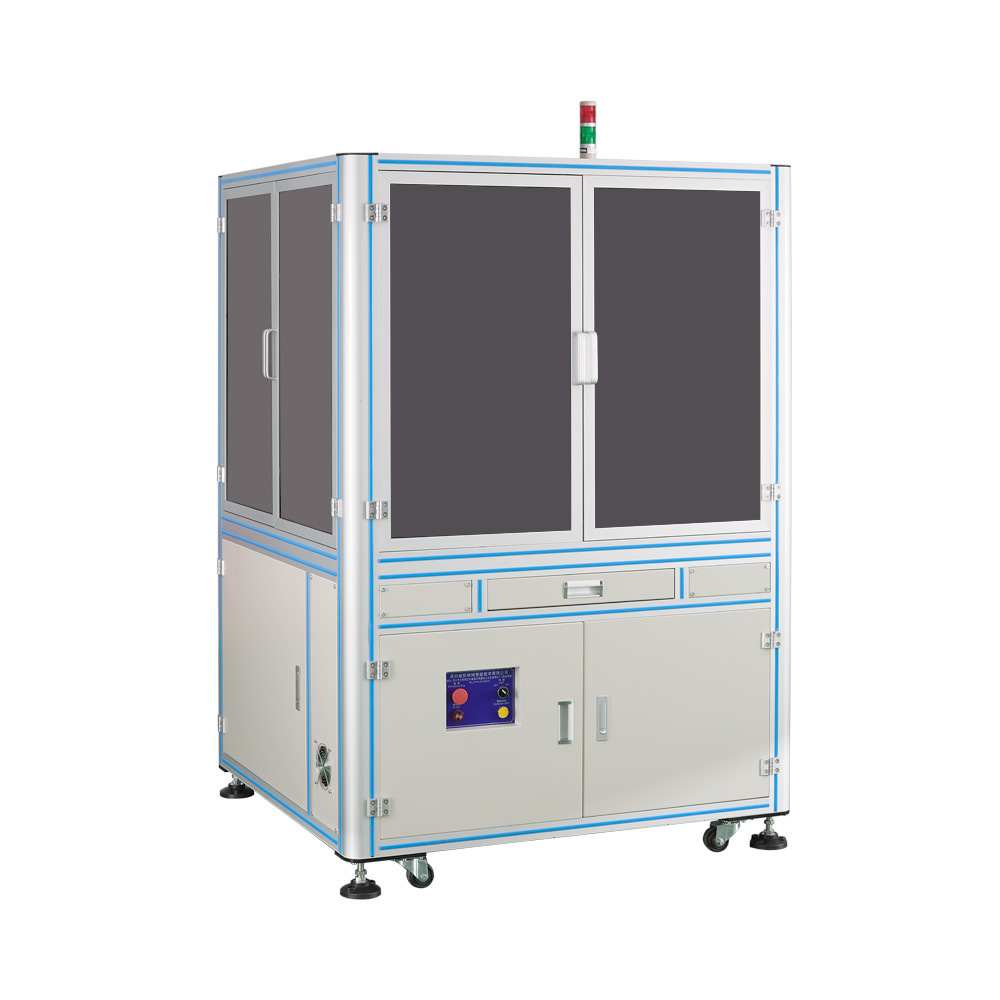
In today’s rapidly evolving industrial landscape, the ability to efficiently process materials is paramount. One of the standout innovations in this realm is the **CCD glass plate screening machine**. This advanced equipment is designed to enhance the screening and sorting processes in various industries, including construction, recycling, and mining. By leveraging cutting-edge technology, these machines offer unparalleled precision and efficiency.
2. The Importance of Efficient Material Processing
Efficient material processing is crucial for any business that relies on the movement and manipulation of raw materials. Poor processing leads to waste, increased operational costs, and reduced productivity. Implementing advanced machinery like CCD glass plate screening machines allows companies to streamline their processes significantly. These machines not only save time but also enhance the quality of the end product, meeting the growing demands for precision in material handling.
3. Understanding the Technology Behind CCD Glass Plate Screening
At the core of CCD glass plate screening machines is the **Charge-Coupled Device (CCD)** technology. This sophisticated method captures high-resolution images of the materials being screened. The process works as follows:
3.1 Image Acquisition
The CCD sensors capture images of the material layer on the glass plate, providing real-time data for analysis.
3.2 Data Analysis and Sorting
Advanced algorithms analyze the captured images, distinguishing between various materials based on size, shape, and color. This allows for precise sorting and distribution, minimizing human error.
3.3 Automated Processing
Once the analysis is complete, the machine automatically sorts materials into designated categories, optimizing the processing workflow.
This combination of imaging technology and automated sorting makes CCD glass plate screening machines a game-changer in material processing.
4. Key Benefits of Using CCD Glass Plate Screening Machines
Integrating CCD glass plate screening machines into material processing operations offers numerous advantages:
4.1 Enhanced Efficiency
The speed at which these machines operate significantly reduces processing times, allowing businesses to handle larger volumes of material without compromising quality.
4.2 Improved Accuracy
With high-resolution imaging and advanced sorting algorithms, CCD machines achieve unmatched accuracy in material classification, reducing the likelihood of errors.
4.3 Cost-Effectiveness
By optimizing material sorting and reducing waste, companies can lower operational costs, making the investment in CCD technology worthwhile.
4.4 Versatility
These machines are adaptable to various materials and industries, making them suitable for diverse applications from construction aggregates to recycled materials.
4.5 Environmental Benefits
By improving sorting efficiency, CCD glass plate screening machines contribute to waste reduction and promote sustainable material usage practices.
5. Applications of CCD Glass Plate Screening Machines
The applications of CCD glass plate screening machines are extensive, affecting various sectors:
5.1 Construction Industry
In construction, these machines are used to sort aggregates, ensuring that only materials of the correct size and composition are utilized, which is essential for structural integrity.
5.2 Recycling Facilities
Recycling operations benefit significantly from the precise sorting capabilities, allowing for more effective separation of recyclable materials from waste.
5.3 Mining Operations
In the mining sector, CCD glass plate screening machines play a crucial role in sorting minerals and ores, enhancing the efficiency of material extraction and processing.
5.4 Agricultural Sector
These machines can also be applied in agriculture for sorting seeds and grains, ensuring quality and optimizing yield.
5.5 Food Industry
In food processing, CCD technology aids in the inspection and sorting of products, maintaining quality standards while enhancing processing efficiency.
6. The Future of Material Processing with CCD Technology
The future of material processing is bright, largely due to advancements in CCD technology. With continuous improvements in imaging and analysis algorithms, we can expect even **greater precision** and **efficiency**. Innovations such as machine learning and artificial intelligence will likely enhance the capabilities of CCD glass plate screening machines, allowing for real-time adjustments and optimizations in sorting processes.
7. Challenges and Considerations in Implementation
While the benefits of CCD glass plate screening machines are substantial, several challenges must be addressed:
7.1 Initial Investment Costs
The upfront costs of acquiring and installing CCD machines can be significant, requiring careful consideration of budget and ROI.
7.2 Operational Training
Employees must be adequately trained to operate and maintain these machines, necessitating ongoing educational investments.
7.3 Technological Maintenance
Regular maintenance and updates are essential to ensure optimal performance, adding to long-term operational costs.
7.4 Integration with Existing Systems
Businesses need to assess how well CCD machines can integrate with their current processing systems to maximize efficiency.
8. Frequently Asked Questions
8.1 What is a CCD glass plate screening machine?
A CCD glass plate screening machine uses charge-coupled device technology to capture images of materials for precise sorting and classification.
8.2 How does CCD technology improve material processing?
CCD technology enhances material processing by providing high-resolution imaging and advanced sorting algorithms for greater accuracy and efficiency.
8.3 In what industries are CCD glass plate screening machines used?
These machines are utilized in construction, recycling, mining, agriculture, and food processing industries.
8.4 What are the main benefits of using these machines?
Key benefits include enhanced efficiency, improved accuracy, cost-effectiveness, versatility, and environmental sustainability.
8.5 What challenges might a business face when implementing CCD machines?
Challenges include high initial investment costs, the need for employee training, maintenance requirements, and integration with existing systems.
9. Conclusion
The implementation of **CCD glass plate screening machines** marks a significant advancement in the material processing industry. By offering enhanced efficiency, accuracy, and cost-effectiveness, these machines are revolutionizing how materials are sorted and processed across various sectors. As technology continues to evolve, the future looks promising for businesses that embrace these innovations, ultimately leading to improved operations and sustainable practices. Investing in CCD technology not only enhances productivity but also supports a more environmentally responsible approach to material processing.
Contact Us
Ms. Lu: +86-18128878019
Phone: +86 0755-23199519
ADD : Room 302, 402, Building A, Xinpitou Industrial Zone, Kanghong Road, Xinqiang Community, Xinhu Street, Guangming New District, Shenzhen
Online Message
Our team will get in touch with you shortly, so keep an eye on your inbox




