

How Optical Screening Machines Revolutionize Sorting Efficiency in Manufacturing
2025-09-28


How Optical Screening Machines Revolutionize Sorting Efficiency in Manufacturing
Table of Contents
- 1. Introduction to Optical Screening Machines
- 2. Understanding Optical Screening Technology
- 3. Benefits of Optical Screening Machines
- 3.1 Increased Accuracy in Sorting
- 3.2 Enhanced Speed and Efficiency
- 3.3 Cost-Effectiveness of Optical Screening
- 4. Applications of Optical Screening Machines
- 5. Case Studies: Successful Implementation
- 6. Future Trends in Optical Screening Technology
- 7. Frequently Asked Questions
- 8. Conclusion
1. Introduction to Optical Screening Machines
In today's fast-paced manufacturing landscape, efficiency and precision are paramount. As industries strive to optimize their processes, **optical screening machines** have emerged as game-changers in sorting and separation operations. These advanced machines utilize cutting-edge technology to enhance sorting efficiency, allowing manufacturers to achieve higher output and better quality products. This article delves deep into the workings of optical screening machines, their benefits, applications, and the future of this innovative technology.
2. Understanding Optical Screening Technology
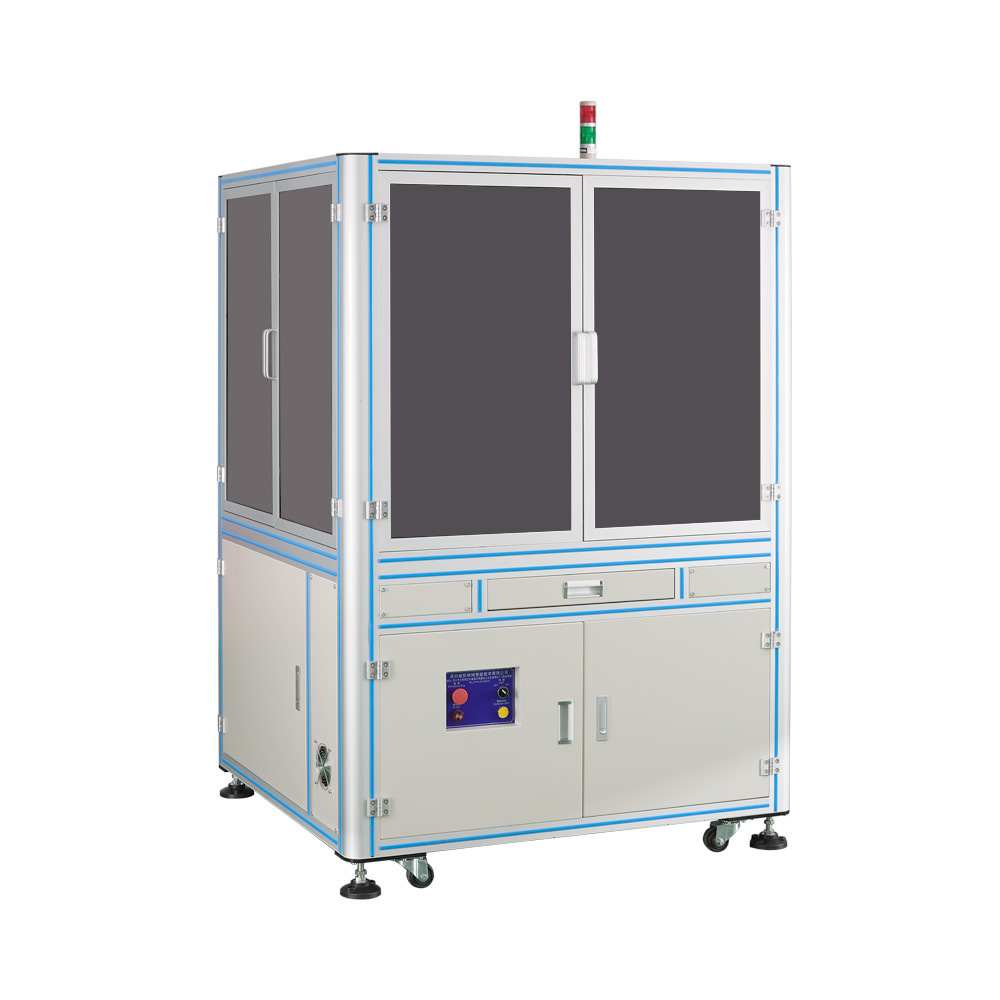
Optical screening machines are sophisticated devices designed to analyze and sort materials based on their physical and optical properties. They rely on high-resolution cameras and advanced imaging software to capture data about the materials being processed. The systems can distinguish between different shapes, sizes, colors, and even surface textures. This capability makes optical screening machines superior to traditional sorting methods, which often rely on manual labor or less advanced technologies.
How Optical Screening Works
The operational mechanism of optical screening machines revolves around the following steps:
1. **Material Feed**: The materials to be sorted are fed into the machine, often via a conveyor belt.
2. **Imaging**: As the materials pass through the machine, high-resolution cameras capture images of each item.
3. **Data Processing**: Advanced software analyzes the images in real time, identifying specific attributes such as color or shape.
4. **Sorting Decision**: Based on predefined criteria, the system determines which items should be separated or retained.
5. **Ejection**: The sorting mechanism ejects the unwanted materials while allowing the desired items to continue through the process.
This streamlined approach not only improves sorting accuracy but also minimizes waste, further contributing to overall efficiency.
3. Benefits of Optical Screening Machines
Integrating optical screening technology into sorting processes offers numerous advantages for manufacturers.
3.1 Increased Accuracy in Sorting
One of the most significant benefits of optical screening machines is their ability to achieve **remarkable sorting accuracy**. Traditional methods can be prone to errors, especially when dealing with complex materials or mixtures. In contrast, optical systems can analyze thousands of items per minute with a precision that manual sorting cannot match. This accuracy helps to reduce contamination in final products, ensuring higher quality and uniformity.
3.2 Enhanced Speed and Efficiency
**Speed** is another critical factor where optical screening machines excel. The automation of sorting processes allows for much faster operation compared to manual methods. Manufacturers can process larger volumes of materials in less time, directly translating to increased productivity. As a result, companies can meet higher demand without compromising quality.
3.3 Cost-Effectiveness of Optical Screening
While the initial investment in optical screening machines may be significant, the long-term cost savings are substantial. Reduced labor costs, minimized waste, and improved product quality contribute to a favorable return on investment (ROI). Moreover, the durability and reliability of these machines mean they require less frequent maintenance, further enhancing their cost-effectiveness.
4. Applications of Optical Screening Machines
The versatility of optical screening machines allows them to be utilized across various industries.
4.1 Industrial Applications
In industrial settings, optical screening machines are often employed for sorting metal scraps, plastics, and other composite materials. Their ability to differentiate between materials based on color and surface characteristics enables manufacturers to recover valuable materials that would otherwise be lost in the sorting process.
4.2 Agricultural Applications
In agriculture, optical screening technology finds applications in sorting fruits, vegetables, and grains. By assessing ripeness, defects, and size, optical screening machines help ensure that only the highest quality products reach consumers. This technology not only enhances efficiency but also improves food safety by reducing contamination risks.
5. Case Studies: Successful Implementation
Several companies have successfully integrated optical screening machines into their operations, leading to remarkable improvements in sorting efficiency. For instance, a leading agricultural producer implemented an optical screening system that increased their sorting speed by 50%, while simultaneously reducing waste by 30%.
Another case study involved a recycling facility that adopted optical sorting technology, resulting in a 40% increase in the recovery rate of recyclable materials. These examples illustrate the substantial impact that optical screening machines can have on operational efficiency and profitability.
6. Future Trends in Optical Screening Technology
The future of optical screening machines looks promising, with advancements in technology expected to enhance their capabilities further. Trends to watch include:
- **Integration with AI and Machine Learning**: As AI technology evolves, we can anticipate smarter optical screening machines that learn from previous sorting operations, continuously improving accuracy and efficiency.
- **Increased Customization**: Manufacturers may develop more specialized optical screening solutions tailored to specific industries or sorting requirements.
- **Sustainability Focus**: With growing emphasis on sustainability, future optical screening machines will likely incorporate eco-friendly technologies, reducing energy consumption and environmental impact.
7. Frequently Asked Questions
What are optical screening machines used for?
Optical screening machines are used primarily for sorting materials based on their physical and optical properties, including size, shape, and color. They are widely employed in industries such as manufacturing, recycling, and agriculture.
How do optical screening machines improve efficiency?
By automating the sorting process and utilizing advanced imaging technology, optical screening machines significantly increase sorting speed and accuracy, leading to enhanced operational efficiency.
Are optical screening machines cost-effective?
While the upfront costs can be high, the long-term savings achieved through reduced labor costs, improved quality, and minimized waste make optical screening machines a cost-effective investment for many manufacturers.
Can optical screening machines sort multiple materials at once?
Yes, many optical screening machines can be programmed to sort multiple types of materials simultaneously, making them versatile tools for various sorting applications.
What industries benefit from optical screening technology?
Industries such as manufacturing, recycling, agriculture, and food processing benefit significantly from optical screening technology due to its efficiency and ability to improve product quality.
8. Conclusion
Optical screening machines represent a revolutionary advancement in sorting technology, offering manufacturers enhanced efficiency, accuracy, and cost savings. As industries continue to seek ways to optimize their operations, the integration of optical screening systems will undoubtedly play a pivotal role in shaping the future of sorting processes. By harnessing the power of this innovative technology, companies can improve their productivity, reduce waste, and ultimately achieve a competitive edge in the ever-evolving manufacturing landscape.
Contact Us
Ms. Lu: +86-18128878019
Phone: +86 0755-23199519
ADD : Room 302, 402, Building A, Xinpitou Industrial Zone, Kanghong Road, Xinqiang Community, Xinhu Street, Guangming New District, Shenzhen
Online Message
Our team will get in touch with you shortly, so keep an eye on your inbox




