

Maximize Your Production Efficiency with Advanced AOI Inspection Equipment from China
2025-02-05


Maximize Your Production Efficiency with Advanced AOI Inspection Equipment from China
Introduction to AOI Inspection Technology
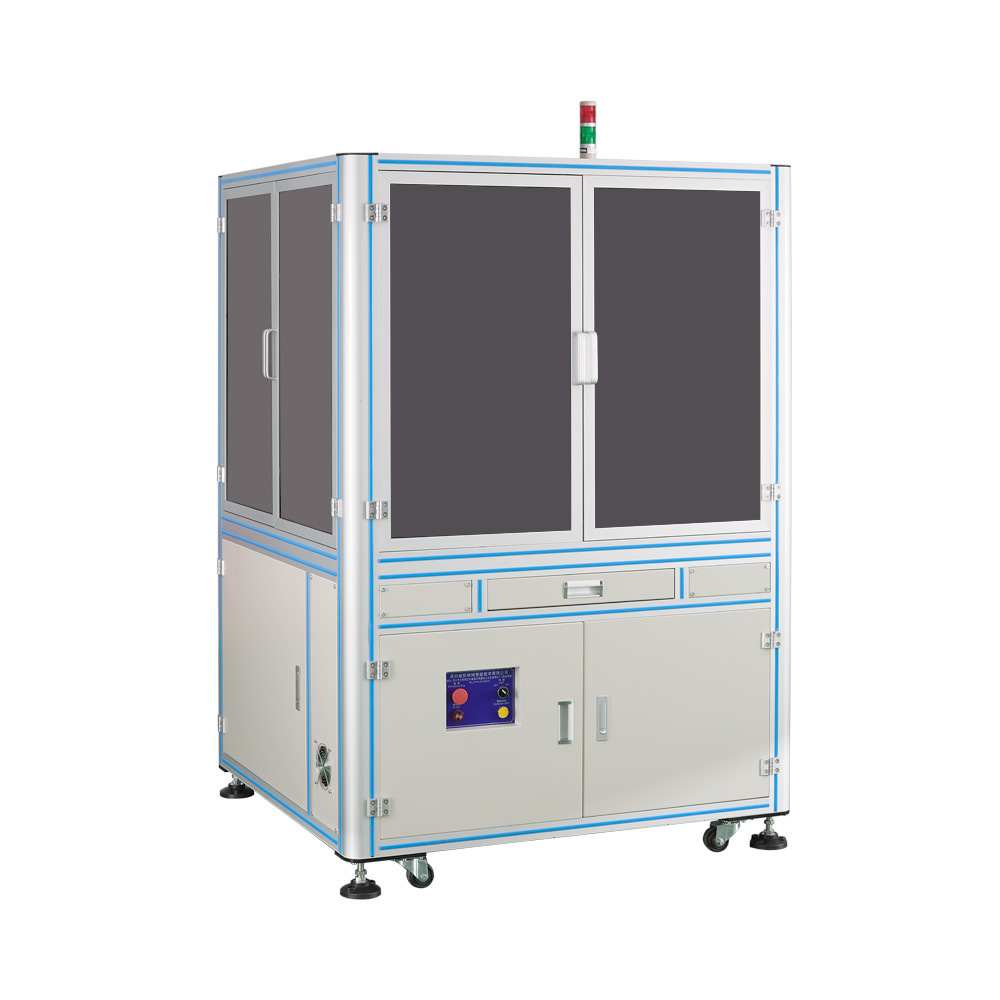
In today’s competitive manufacturing landscape, ensuring product quality while maintaining efficiency is paramount. **Automated Optical Inspection (AOI)** technology emerges as a powerful solution to streamline production processes. By leveraging advanced imaging systems, AOI equipment allows manufacturers to identify defects early, reduce waste, and enhance overall productivity. In this article, we will delve into the intricacies of AOI inspection equipment from China, exploring its features, benefits, and how it can significantly improve your production efficiency.
Understanding AOI: What Is Automated Optical Inspection?
AOI is an automated technique for inspecting printed circuit boards (PCBs) and other components in a manufacturing setting. Utilizing high-resolution cameras, AOI systems analyze the surface of the inspected items, detecting any inconsistencies or defects. This technology has transformed quality control in various industries, including electronics, automotive, and aerospace.
Key Features of AOI Inspection Equipment
- **High-Resolution Imaging:** AOI equipment employs advanced cameras that capture detailed images of the components being inspected. This high level of detail is critical in identifying minute defects that could otherwise go unnoticed.
- **Real-Time Data Processing:** Modern AOI systems process inspection data in real time, providing immediate feedback to operators. This capability allows for swift corrective measures, minimizing downtime and inefficiencies.
- **Defect Classification:** AOI systems can classify defects based on predefined criteria, enabling manufacturers to prioritize issues that require immediate attention.
- **Integration with Manufacturing Systems:** Many AOI machines can seamlessly integrate with existing manufacturing execution systems (MES), allowing for streamlined operations and enhanced data management.
Benefits of Using AOI Inspection Equipment from China
1. Enhanced Quality Control
One of the primary advantages of AOI inspection equipment is its ability to enhance quality control. By detecting defects early in the manufacturing process, companies can reduce the likelihood of faulty products reaching the market. This proactive approach not only safeguards brand reputation but also ensures customer satisfaction.
2. Increased Production Speed
With the automation of inspection processes, AOI equipment can significantly increase production speed. Manual inspections are often time-consuming and prone to human error. In contrast, AOI systems operate swiftly and reliably, allowing manufacturers to maintain a consistent and efficient output.
3. Reduced Operational Costs
Investing in AOI inspection equipment can lead to substantial cost savings. By minimizing defects and rework, manufacturers can optimize their operations and reduce waste. Furthermore, the efficiency gained through automation translates into lower labor costs over time, making AOI a financially sound investment.
4. Detailed Reporting and Analytics
AOI systems provide comprehensive reporting and analytics capabilities, enabling manufacturers to track performance metrics and identify trends over time. This data-driven approach empowers companies to make informed decisions, enhancing their overall operational strategy.
Choosing the Right AOI Inspection Equipment
Selecting the appropriate AOI inspection equipment requires careful consideration of various factors. Here are some key aspects to evaluate:
1. Type of Inspection Required
Different industries and products necessitate different inspection requirements. Consider the specific needs of your production line, including the types of defects you are most concerned about. Whether you need to inspect PCBs, semiconductors, or other components, ensure the AOI equipment you choose is tailored to your application.
2. Technology and Features
When evaluating AOI systems, pay close attention to their technological capabilities. Look for features such as high-resolution imaging, advanced defect classification, and real-time processing. The more advanced the technology, the more effective the system will be at identifying and addressing defects.
3. Integration Capabilities
Ensure that the AOI equipment you select can integrate seamlessly with your existing manufacturing systems. This integration will facilitate smoother operations and allow for better data management.
4. Supplier Reputation
Working with a reputable supplier is crucial when investing in AOI inspection equipment. Research potential vendors, and seek out those with a strong track record in the industry. Customer testimonials and case studies can provide valuable insights into the performance and reliability of the equipment.
Best Practices for Implementing AOI Inspection Equipment
To fully maximize the benefits of AOI inspection equipment, consider adopting the following best practices:
1. Proper Training for Operators
Investing in training for your operators is essential for ensuring the effective use of AOI systems. Comprehensive training will not only enhance their technical skills but also boost their confidence in operating the equipment.
2. Regular Maintenance and Calibration
Routine maintenance and calibration of AOI equipment are vital for consistent performance. Establish a maintenance schedule to ensure the machinery operates at peak efficiency, minimizing the risk of unexpected downtimes.
3. Continuous Monitoring and Improvement
Embrace a culture of continuous improvement by regularly reviewing the metrics and analytics provided by your AOI systems. Use this data to identify areas for enhancement and make the necessary adjustments to your processes.
4. Foster Collaboration Between Departments
Encourage collaboration between quality control, production, and engineering teams. This interdisciplinary approach will enhance communication and ensure that everyone is aligned in their quality assurance goals.
The Future of AOI Technology in Manufacturing
As manufacturing technology continues to evolve, AOI inspection equipment is becoming increasingly sophisticated. The integration of artificial intelligence (AI) and machine learning capabilities is set to revolutionize the industry further. These advancements will enable even more precise inspections and predictive maintenance, paving the way for smarter manufacturing processes.
1. AI-Driven Defect Detection
AI algorithms can analyze inspection data and learn to identify defects more accurately over time. This capability enhances the reliability of inspections and reduces the likelihood of false positives or negatives.
2. Predictive Maintenance
The future of AOI inspection equipment also involves predictive maintenance, where data analytics predict when a machine might fail or require servicing. This proactive approach will further minimize downtime and optimize production schedules.
FAQs about AOI Inspection Equipment
1. What is the main purpose of AOI inspection equipment?
The primary purpose of AOI inspection equipment is to detect defects in manufactured products, particularly in printed circuit boards, to ensure quality control and reduce waste.
2. How does AOI technology work?
AOI technology uses high-resolution cameras to capture images of the items being inspected. These images are analyzed in real-time to identify defects based on predefined criteria.
3. What industries benefit from AOI inspection equipment?
AOI inspection equipment is widely used in industries such as electronics, automotive, aerospace, and medical devices, where precision and quality are essential.
4. Can AOI equipment reduce production costs?
Yes, by minimizing defects and the need for rework, AOI equipment can lead to significant cost savings in production processes.
5. How can I choose the best AOI inspection equipment for my needs?
Consider factors such as the type of inspection required, the technology and features of the equipment, integration capabilities with existing systems, and the reputation of the supplier when making your decision.
Conclusion
Investing in **AOI inspection equipment from China** presents a significant opportunity for manufacturers seeking to enhance production efficiency and maintain high-quality standards. With its advanced imaging capabilities, real-time data processing, and robust defect detection features, AOI technology proves to be a valuable asset in today’s manufacturing environment. By carefully selecting the right equipment and implementing best practices, businesses can streamline their operations, reduce costs, and position themselves for long-term success in an increasingly competitive market. Embrace the power of **Automated Optical Inspection** to transform your production processes and elevate your manufacturing capabilities.
Contact Us
Ms. Lu: +86-18128878019
Phone: +86 0755-23199519
ADD : Room 302, 402, Building A, Xinpitou Industrial Zone, Kanghong Road, Xinqiang Community, Xinhu Street, Guangming New District, Shenzhen
Online Message
Our team will get in touch with you shortly, so keep an eye on your inbox




