

Maximizing Efficiency with Optical Screening Machines in Manufacturing
2025-02-01


Maximizing Efficiency with Optical Screening Machines in Manufacturing
Table of Contents
- 1. Introduction to Optical Screening Machines
- 2. Importance of Efficiency in Manufacturing
- 3. How Optical Screening Machines Work
- 4. Benefits of Optical Screening Machines
- 5. Applications in Various Industries
- 6. Integrating Optical Screening Machines into Manufacturing Processes
- 7. The Future of Optical Screening Technology in Manufacturing
- 8. FAQs
- 9. Conclusion
1. Introduction to Optical Screening Machines
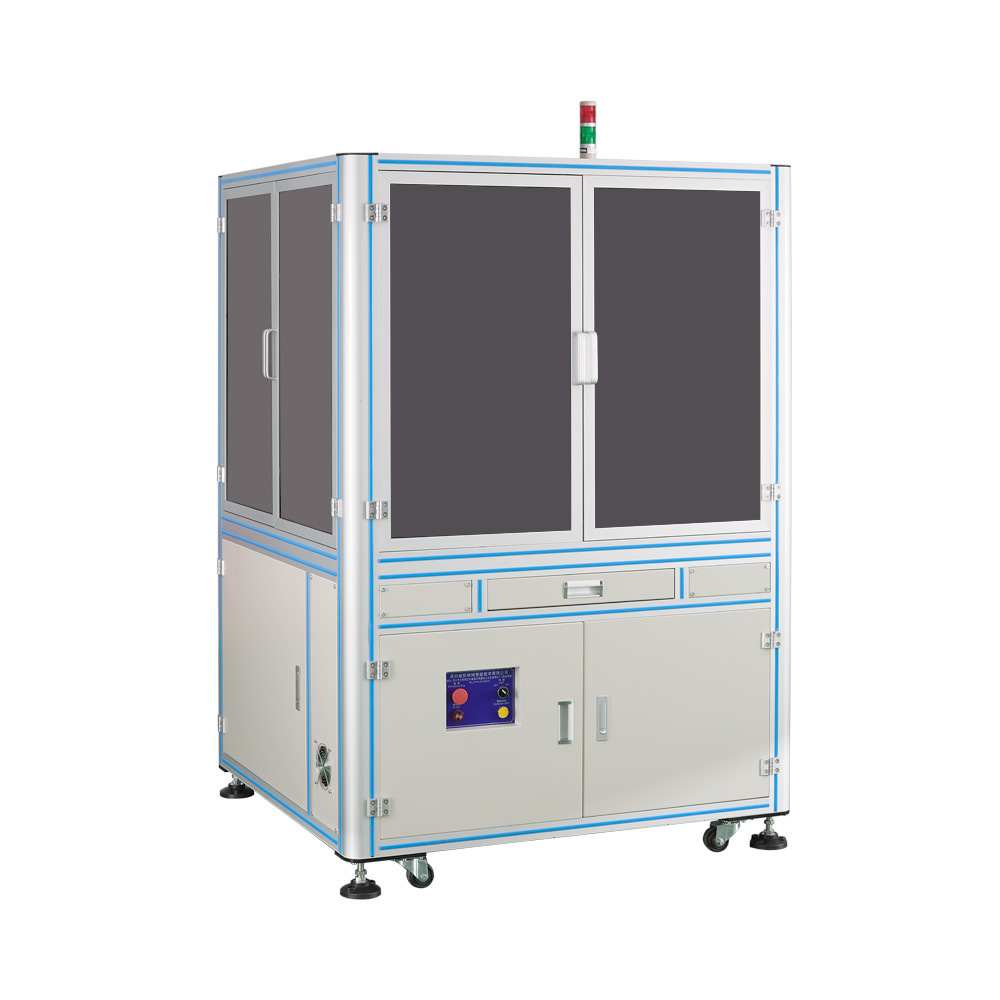
Optical screening machines represent a significant advancement in the manufacturing sector, particularly in the areas of sorting and separating materials. By utilizing sophisticated camera systems and algorithms, these machines can analyze materials at high speeds, ensuring that only the desired products advance in the manufacturing process. This technology dramatically enhances efficiency, accuracy, and productivity, positioning manufacturers to stay competitive in an ever-evolving marketplace.
2. Importance of Efficiency in Manufacturing
In today’s fast-paced industrial environment, **efficiency** is paramount. Optimizing workflows and reducing waste not only improve profitability but also enhance product quality and customer satisfaction. As global competition intensifies, manufacturers are increasingly turning to advanced technologies, such as optical screening machines, to boost their operational efficiency.
3. How Optical Screening Machines Work
Optical screening machines employ a combination of advanced imaging technology and artificial intelligence to identify and sort materials. Here’s a breakdown of the processes involved:
3.1 Imaging Technology
These machines are equipped with high-resolution cameras that capture images of materials as they pass through the screening area. This imaging allows for real-time analysis of size, color, and shape.
3.2 Data Analysis
Once the images are captured, sophisticated algorithms process the data. Machine learning models are often employed to enhance decision-making, enabling the machine to discern between acceptable and unacceptable materials based on predefined criteria.
3.3 Sorting Mechanisms
After the analysis, automated sorting mechanisms, such as air jets or conveyor belts, remove unwanted items from the stream, ensuring that only the desired materials proceed to the next phase of production.
4. Benefits of Optical Screening Machines
The adoption of optical screening machines offers numerous advantages that can significantly improve manufacturing processes.
4.1 Enhanced Accuracy
One of the primary benefits of optical screening is its accuracy in identifying and sorting materials. The precision of these machines minimizes errors, reducing the likelihood of defective products reaching the market.
4.2 Increased Speed and Throughput
Optical screening machines operate at remarkable speeds, processing materials much faster than traditional sorting methods. This increase in throughput allows manufacturers to meet high demand without compromising quality.
4.3 Cost Efficiency
By reducing waste and optimizing resource use, optical screening machines contribute to significant cost savings. Lower operational costs translate to higher profit margins, making this technology a worthwhile investment.
5. Applications in Various Industries
Optical screening machines find applications across diverse sectors, including:
5.1 Recycling
In recycling facilities, these machines efficiently sort recyclable materials from contaminants, enhancing the quality of recycled products.
5.2 Food Processing
In the food industry, optical screening machines are used to ensure that only high-quality products make it to packaging, thus safeguarding consumer health and brand reputation.
5.3 Mining
In mining operations, optical sorting is employed to enhance the recovery of valuable materials while reducing waste.
5.4 Pharmaceuticals
In pharmaceuticals, accuracy is critical. Optical screening machines help in sorting and verifying the quality of raw materials and final products.
6. Integrating Optical Screening Machines into Manufacturing Processes
Successful integration of optical screening machines into existing operations requires a strategic approach:
6.1 Assessing Current Processes
Evaluate current sorting and screening processes to identify bottlenecks and areas for improvement.
6.2 Choosing the Right Technology
Select an optical screening machine that aligns with your specific needs, considering factors such as material type, throughput, and accuracy requirements.
6.3 Training Staff
Proper training for staff on how to operate and maintain these machines is crucial for maximizing their potential and ensuring smooth integration.
6.4 Monitoring and Optimization
Regular monitoring and analysis of the optical screening process will help identify additional opportunities for optimization and efficiency gains.
7. The Future of Optical Screening Technology in Manufacturing
As technology continues to evolve, optical screening machines are expected to become even more sophisticated. With advancements in artificial intelligence and machine learning, future models will likely offer enhanced capabilities, such as improved decision-making in sorting and predictive maintenance features.
8. FAQs
8.1 What types of materials can be sorted using optical screening machines?
Optical screening machines can sort a wide range of materials, including plastics, metals, glass, and food products, based on specific characteristics.
8.2 How do optical screening machines improve operational efficiency?
By providing high-speed, accurate sorting, these machines reduce waste, enhance product quality, and increase throughput, leading to overall improved efficiency.
8.3 Are optical screening machines cost-effective?
Yes, while they require initial investment, the long-term savings from reduced labor costs, waste, and higher product quality make them cost-effective.
8.4 Can optical screening machines be customized for specific applications?
Absolutely, many manufacturers offer customizable solutions tailored to meet the unique needs of different industries and applications.
8.5 What maintenance is required for optical screening machines?
Regular cleaning, software updates, and routine inspections are essential to ensure optimal performance and longevity of the machines.
9. Conclusion
In conclusion, **optical screening machines** are revolutionary tools that can dramatically enhance efficiency in manufacturing processes. By leveraging advanced imaging technology and intelligent sorting mechanisms, manufacturers can achieve higher accuracy, increased speed, and significant cost reductions. As industries continue to evolve, integrating such cutting-edge technology will be crucial for maintaining competitive advantage and ensuring future growth. Embracing optical screening technology not only leads to enhanced operational efficiency but also aligns with sustainable practices that are increasingly demanded by today’s consumers.
Contact Us
Ms. Lu: +86-18128878019
Phone: +86 0755-23199519
ADD : Room 302, 402, Building A, Xinpitou Industrial Zone, Kanghong Road, Xinqiang Community, Xinhu Street, Guangming New District, Shenzhen
Online Message
Our team will get in touch with you shortly, so keep an eye on your inbox




