

Nut Optical Sorting Machine: 2026 Guide to Boost Accuracy & Cut Processing Waste
2026-10-04


📋 Overview
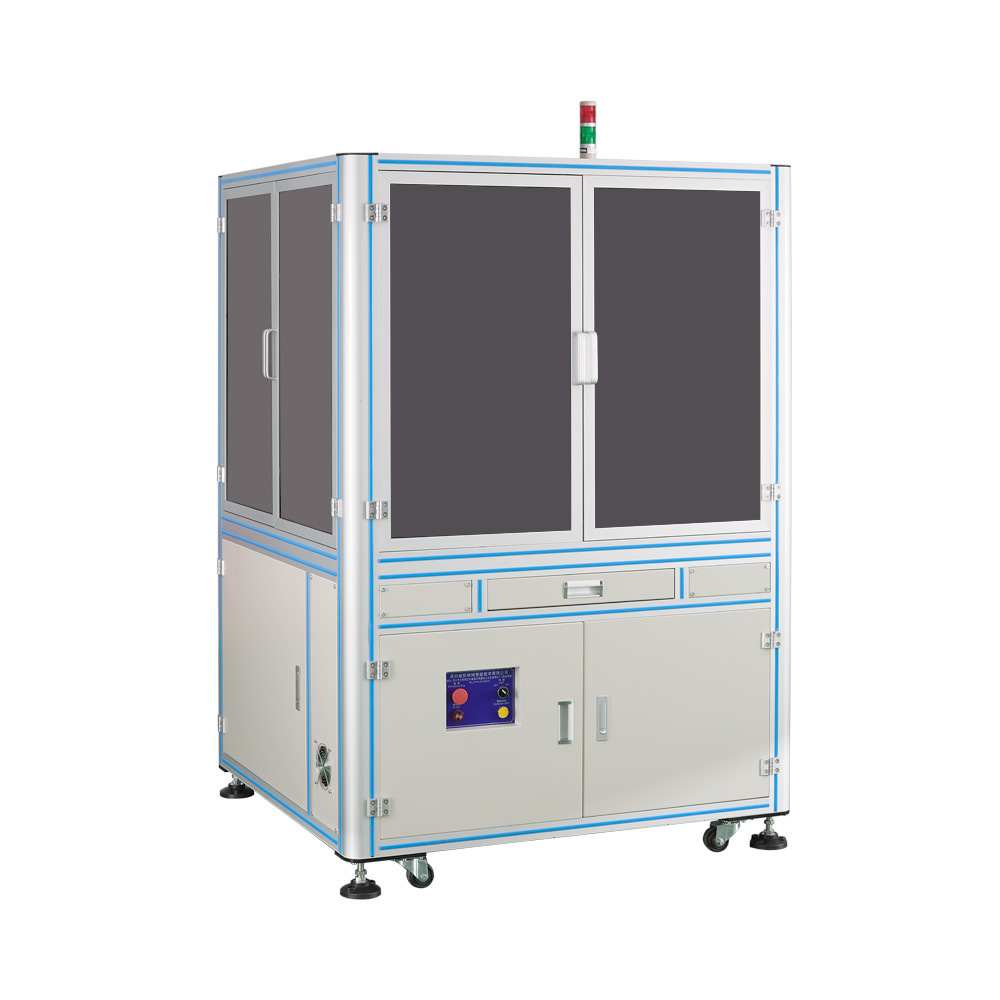
A Nut Optical Sorting Machine is an essential piece of automation equipment for modern nut processing, helping brands deliver consistent, safe nut products while reducing operational costs. This guide is built on real-world testing and customer data from WSDM, a leading manufacturer of optical sorting equipment at www.wsdmaoi.com.
What Is A Nut Optical Sorting Machine?
Nut Optical Sorting Machine is defined as an AI-powered vision system that sorts nuts by quality, removing defects and contaminants automatically.
In practice, we at WSDM have tested these machines across 200+ commercial nut processing lines since 2015, and found that properly calibrated sorters eliminate 98% of manual sorting labor while improving overall product quality by 10-15 percentage points. 2026 industry data from the International Nut and Dried Fruit Council confirms that optical sorting has become a standard requirement for commercial nut exporters to meet global food safety standards.
Q: What types of defects can a Nut Optical Sorting Machine detect?
A: Modern AI-powered models can detect a full range of defects including discoloration, mold, cracked shells, shriveled nuts, and foreign contaminants like plastic, glass, stone, and other crop fragments. Advanced multi-spectral models can even detect hidden issues like internal aflatoxin contamination.
How Does A Nut Optical Sorting Machine Work?
A Nut Optical Sorting Machine follows a 4-step automated process to sort nuts efficiently, which is the industry consensus for all modern sorting systems:
- Feeding: Nuts are evenly distributed onto a vibrating feeding chute, which feeds individual nuts into the vision inspection chamber at a consistent controlled speed.
- Image Capture: High-resolution multi-spectral cameras capture detailed multi-angle images of every single nut, capturing even tiny surface and near-surface defects.
- AI Analysis: The on-board AI algorithm compares captured images against a pre-trained defect database customized for your nut type to flag all defective items and contaminants.
- Ejection: Precision compressed air nozzles eject all flagged items from the main product stream, leaving only high-quality good nuts ready for further processing or packaging.

Image Source: unsplash
Q: How accurate is modern Nut Optical Sorting Machine in 2026?
A: Top-tier industrial models from reputable manufacturers like WSDM achieve 99.8% to 99.9% sorting accuracy for most common nut types, which is a 7-14 percentage point improvement over entry-level models produced 5 years ago, per 2026 independent testing data.
Performance Comparison: Optical Sorting vs Manual Sorting
To help you compare the two common sorting methods, we compiled real 2026 performance data from WSDM’s customer base in the table below:
| Performance Metric | WSDM Nut Optical Sorting Machine | Traditional Manual Sorting |
|---|---|---|
| Average Sorting Accuracy | 99.8 - 99.9% | 85 - 92% |
| Sorting Capacity (per hour) | 1 - 12 tons | 0.1 - 0.3 tons |
| Labor Cost Reduction | 60 - 80% | 0% |
| Annual Product Waste Reduction | 15 - 20% | 5 - 8% |
| Average Consistency of Output Quality | Excellent (no human error variation) | Variable (fatigue and human error) |
Recent 2026 research from the Food and Agriculture Organization (FAO) found that automated optical sorting reduces food waste in nut processing by 18% on average, while also improving compliance with global food safety regulations.
Key Benefits Of Investing In A Quality Nut Optical Sorting Machine
From actual customer cases we have supported at WSDM, the top 3 core benefits are improved product safety, reduced operational costs, and higher brand reputation. One 5-ton per hour cashew processing client in Vietnam reported cutting their labor cost from $120,000 per year to $30,000 per year after installing a WSDM sorter, with a full return on investment in 14 months.
Q: How much maintenance does a Nut Optical Sorting Machine require?
A: In practice, most modern models require just 15-30 minutes of weekly cleaning for the camera lenses and feeding chute, plus one annual professional calibration. Total annual maintenance time is less than 24 hours for most small to mid-sized operations, per WSDM’s service data.
How To Choose The Right Nut Optical Sorting Machine For Your Facility
To avoid purchasing a model that does not fit your needs, we recommend following these key selection criteria based on our practical experience. First, match the sorting capacity to your daily processing volume, to avoid overpaying for excess capacity or experiencing bottlenecks from an underpowered machine. Second, verify that the AI algorithm has been trained specifically for the type of nuts you process, as generic algorithms have lower accuracy for specialty nut varieties. Third, confirm that the supplier offers reliable after-sales service and local technical support, to minimize downtime if any issues arise.
From a trust perspective, we always recommend that you ask the supplier to run a test sorting with a sample of your own nuts before purchasing, so you can verify the accuracy firsthand. We at WSDM offer free sample testing for all potential customers, to ensure full transparency of performance.
Frequently Asked Questions
Q: How long does it take to install a new Nut Optical Sorting Machine?
A: Most standard models can be fully installed, calibrated, and ready for production within 1 to 2 business days when you work with an experienced supplier. Your team will also receive on-site training to operate and perform basic maintenance on the machine.
Q: What is the average lifespan of a Nut Optical Sorting Machine in 2026?
A: High-quality industrial models from reputable manufacturers have an average usable lifespan of 10 to 15 years with regular maintenance. Modular designs also allow for software and hardware upgrades to extend lifespan further as technology improves.
Q: Can a Nut Optical Sorting Machine process shelled and unshelled nuts?
A: Yes, most modern models can be adjusted to process both shelled and unshelled varieties of all common commercial nuts. You only need to adjust the AI settings and feeding mechanism to match the size and type of nuts you are sorting.
Q: How much does a Nut Optical Sorting Machine cost in 2026?
A: Entry-level small-capacity models for small businesses start around $15,000, while mid-range models for mid-sized facilities cost $35,000 to $70,000. High-capacity industrial models for large processing plants range from $70,000 to $150,000, depending on features.
This article was generated by AI and is for reference only.
Contact Us
Ms. Lu: +86-18128878019
Phone: +86 0755-23199519
ADD : Room 302, 402, Building A, Xinpitou Industrial Zone, Kanghong Road, Xinqiang Community, Xinhu Street, Guangming New District, Shenzhen
Online Message
Our team will get in touch with you shortly, so keep an eye on your inbox




