

Optimizing Efficiency with Precision Optical Sorting Machines in Manufacturing
2025-02-28


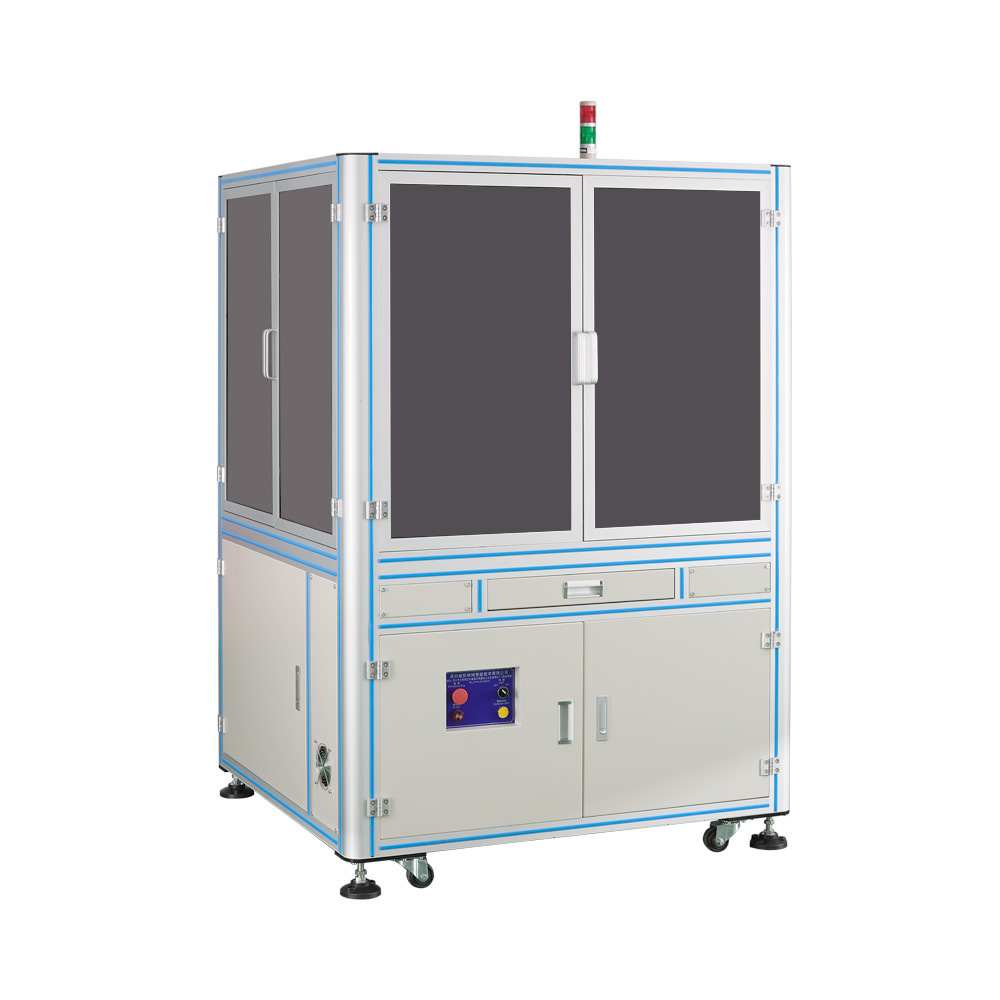
In the manufacturing industry, particularly within the realm of crushing and sorting machinery, achieving efficiency and accuracy is paramount. Precision optical sorting machines have emerged as a game-changer in this context, offering unparalleled performance in material identification and separation. These machines utilize advanced imaging technology, such as cameras and lasers, to analyze and classify materials based on specific characteristics, such as color, size, and shape. This capability allows manufacturers to achieve higher levels of accuracy in sorting than traditional mechanical methods.
One significant advantage of precision optical sorting machines is their ability to handle a wide range of materials. Whether it’s separating plastic from metal, sorting agricultural products, or classifying minerals, these machines can be customized to meet the specific requirements of various industries. This versatility not only improves operational efficiency but also reduces waste and enhances product quality.
Moreover, the integration of optical sorting technology into manufacturing processes can lead to significant cost savings. By automating the sorting process, manufacturers can minimize labor costs and reduce the risk of human error. Additionally, the high-speed operation of these machines ensures that sorting is completed rapidly, allowing for faster production cycles and improved overall throughput.
When considering the implementation of precision optical sorting machines, OEMs must also focus on the scalability and adaptability of the technology. As market demands evolve, it’s crucial for manufacturers to invest in systems that can be easily updated or expanded to accommodate new materials or sorting criteria. This forward-thinking approach not only protects the investment but also positions companies to remain competitive in a rapidly changing market.
Furthermore, precision optical sorting machines contribute to sustainability initiatives within the manufacturing industry. By enhancing sorting accuracy, these machines facilitate better recycling processes, ensuring that materials are reused effectively and reducing the environmental impact associated with waste disposal. This alignment with sustainability goals can improve a company’s public image and contribute to regulatory compliance.
Lastly, it’s essential for manufacturers to consider the importance of training and support when integrating precision optical sorting machines into their operations. Ensuring that staff is well-trained in the operation and maintenance of these machines will maximize their potential and minimize downtime.
In conclusion, precision optical sorting machines represent a significant advancement in the manufacturing sector, particularly in crushing and sorting machinery. By leveraging these innovative technologies, OEMs can enhance efficiency, reduce costs, and contribute to more sustainable practices. As the industry continues to evolve, embracing precision optical sorting will be crucial for staying ahead of the competition.
Contact Us
Ms. Lu: +86-18128878019
Phone: +86 0755-23199519
ADD : Room 302, 402, Building A, Xinpitou Industrial Zone, Kanghong Road, Xinqiang Community, Xinhu Street, Guangming New District, Shenzhen
Online Message
Our team will get in touch with you shortly, so keep an eye on your inbox




