

Optimizing Efficiency with Screw and Nut Optical Sorting Machines
2025-11-12


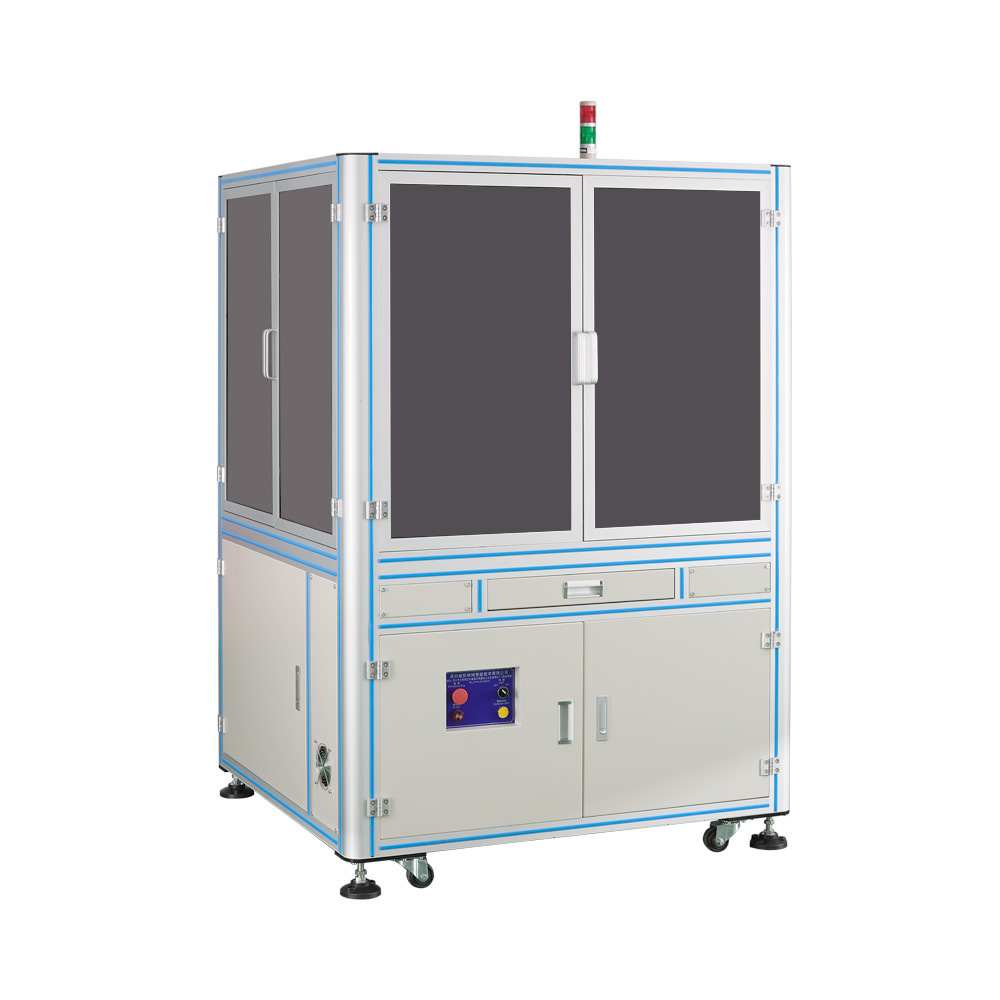
The screw and nut optical sorting machine represents an innovative approach within the realm of sorting and screening machinery. These machines are designed to efficiently categorize and separate various types of fasteners—specifically screws and nuts—based on their size, shape, and material. By employing advanced optical recognition technology, these machines can achieve high levels of accuracy and speed, contributing to streamlined manufacturing processes.
One of the key features of screw and nut optical sorting machines is their ability to utilize high-resolution cameras and sophisticated algorithms. These components work together to analyze the physical characteristics of fasteners as they pass through the sorting system. The optical sensors capture images of the items, and the software processes this visual information to determine the appropriate sorting criteria. This capability allows for the rapid identification and segregation of defective items, ensuring that only high-quality products reach the final stages of production or packaging.
Implementing an optical sorting machine can lead to significant improvements in operational efficiency. By automating the sorting process, manufacturers can reduce the time and labor costs associated with manual sorting. This not only enhances productivity but also minimizes the risk of human error, leading to more consistent product quality. Additionally, the ability to detect and remove faulty items early in the process can prevent costly rework or returns later on.
Another important benefit of screw and nut optical sorting machines is their versatility. These machines can handle a variety of materials and can be adjusted to sort different sizes and types of screws and nuts. This adaptability makes them an excellent investment for manufacturers looking to maintain flexibility in their production lines while also meeting varying customer demands.
Moreover, the integration of such technology aligns with the broader industry trend toward increased automation and digitization. The data collected during the sorting process can provide valuable insights into production efficiency and quality control measures. Manufacturers can analyze this data to identify trends, optimize processes, and make informed decisions about inventory management.
In conclusion, screw and nut optical sorting machines represent a significant advancement in the field of sorting and screening machinery. By leveraging optical technology, these machines not only enhance efficiency and accuracy in the sorting process but also contribute to overall product quality. For manufacturers in the processing machinery sector, investing in such innovative solutions can lead to sustainable growth and a competitive edge in the market.
Contact Us
Ms. Lu: +86-18128878019
Phone: +86 0755-23199519
ADD : Room 302, 402, Building A, Xinpitou Industrial Zone, Kanghong Road, Xinqiang Community, Xinhu Street, Guangming New District, Shenzhen
Online Message
Our team will get in touch with you shortly, so keep an eye on your inbox




