

Precision Hardware Optical Sorting: A Game-Changer in Competitive Manufacturing
2025-04-21


Precision Hardware Optical Sorting: A Game-Changer in Competitive Manufacturing
Table of Contents
- 1. Introduction to Optical Sorting in Manufacturing
- 2. What is Precision Hardware Optical Sorting?
- 3. Importance of Optical Sorting in Competitive Manufacturing
- 4. Key Benefits of Optical Sorting Technology
- 4.1 Enhanced Efficiency and Productivity
- 4.2 Improved Quality Control
- 4.3 Significant Cost Reduction
- 5. Applications of Optical Sorting in Various Industries
- 6. How Optical Sorting Works: The Technology Behind It
- 7. The Future of Optical Sorting Technology
- 8. Frequently Asked Questions
- 9. Conclusion
1. Introduction to Optical Sorting in Manufacturing
In today's fast-paced manufacturing landscape, companies face mounting pressure to enhance efficiency and maintain high-quality standards. One of the most effective solutions currently available is **precision hardware optical sorting**. This technology uses advanced imaging and sorting techniques to streamline production processes, ensuring that only the highest-quality materials are used. In this article, we will delve into the intricacies of optical sorting, its benefits, applications across various sectors, and its potential to revolutionize manufacturing.
2. What is Precision Hardware Optical Sorting?
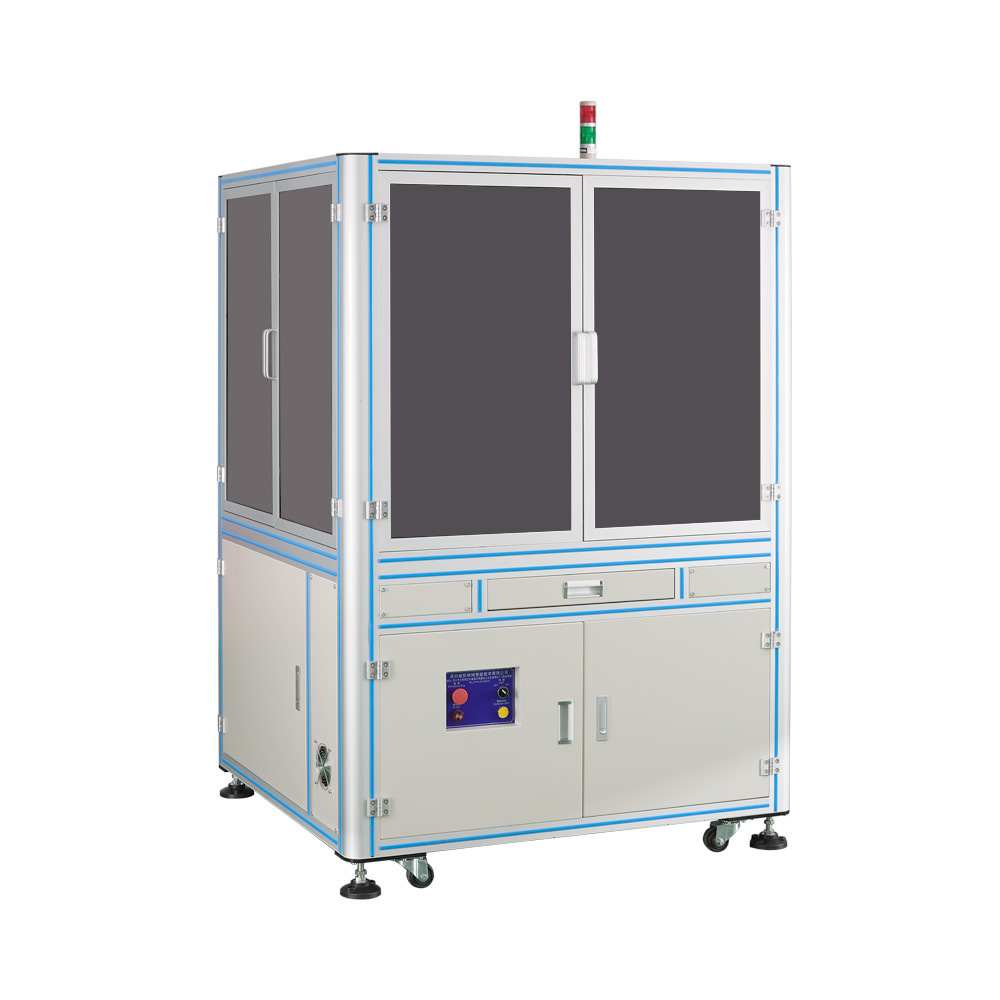
**Precision hardware optical sorting** refers to the use of optical inspection technologies to identify and separate materials based on specific visual characteristics. This process typically employs various imaging technologies, such as near-infrared (NIR) sensors, cameras, and laser systems, to perform real-time analysis of products as they move through a manufacturing line. By leveraging these advanced technologies, companies can effectively enhance their sorting capabilities, leading to superior product quality and operational efficiency.
3. Importance of Optical Sorting in Competitive Manufacturing
In an increasingly competitive market, manufacturers must differentiate themselves from their competitors. **Optical sorting plays a vital role** in achieving this differentiation by enabling producers to deliver higher-quality products, minimize waste, and reduce processing times. With precision hardware optical sorting, manufacturers can ensure that their production outputs consistently meet stringent quality standards while also optimizing their resource use.
4. Key Benefits of Optical Sorting Technology
4.1 Enhanced Efficiency and Productivity
One of the primary advantages of precision hardware optical sorting is its ability to **significantly enhance efficiency**. By automating the sorting process, manufacturers can reduce the reliance on manual labor, leading to faster production rates and increased throughput. Furthermore, optical sorting systems can operate continuously, allowing for round-the-clock processing without the need for frequent breaks or downtime.
4.2 Improved Quality Control
Maintaining product quality is paramount in manufacturing. **Optical sorting enables manufacturers** to conduct rigorous quality inspections at every stage of production. By identifying defects or inconsistencies early in the process, companies can take corrective actions before materials reach the final product stage. This proactive approach results in fewer product recalls and higher customer satisfaction.
4.3 Significant Cost Reduction
Optical sorting technology contributes to **cost reduction** by minimizing waste and maximizing resource utilization. By accurately identifying and separating materials, manufacturers can ensure that only the highest-quality components are used in their products. This not only reduces the cost of raw materials but also lowers the expenses associated with processing and handling defective items.
5. Applications of Optical Sorting in Various Industries
Precision hardware optical sorting is versatile and can be applied across multiple industries, enhancing operational efficiency and product quality.
5.1 Food Industry
In the food sector, optical sorting plays a crucial role in ensuring food safety and quality. The technology is employed to remove contaminants, such as stones or foreign objects, and to sort fruits, vegetables, and grains based on color, size, and ripeness. This ensures that consumers receive only the best products, meeting both safety regulations and market demands.
5.2 Recycling Industry
The recycling industry benefits immensely from precision hardware optical sorting. By automating the separation of recyclable materials, such as plastics, metals, and paper, manufacturers can significantly improve recycling rates and reduce contamination. This not only aids in environmental sustainability but also enhances the profitability of recycling operations.
5.3 Mining and Metals
In the mining and metals sector, optical sorting is utilized to separate valuable minerals from waste material. This process increases the efficiency of resource extraction and reduces the environmental impact of mining operations. By employing precision hardware optical sorting, companies can ensure they maximize yield while minimizing costs.
6. How Optical Sorting Works: The Technology Behind It
The technology behind precision hardware optical sorting is a blend of advanced imaging techniques and intelligent software algorithms. As materials pass through the sorting system, they are illuminated by various light sources, and high-resolution cameras capture images of each item.
These images are analyzed using sophisticated algorithms that identify specific characteristics, such as color, shape, and size. Based on this data, the system determines whether an item meets the desired quality standards and either accepts or rejects it. This real-time decision-making process ensures a seamless sorting operation, optimizing manufacturing workflows.
7. The Future of Optical Sorting Technology
The future of precision hardware optical sorting appears promising, as advancements in technology continue to evolve. Emerging trends such as artificial intelligence (AI) and machine learning (ML) are set to revolutionize optical sorting systems, enhancing their accuracy and efficiency.
With the integration of AI, sorting systems can learn from previous sorting patterns and improve their decision-making capabilities over time. This will lead to even greater efficiencies and a reduction in false positives during sorting, further enhancing product quality and operational performance.
8. Frequently Asked Questions
What types of industries utilize optical sorting technology?
Optical sorting technology is employed across various industries, including food processing, recycling, mining, and pharmaceuticals, to enhance sorting accuracy and efficiency.
How does optical sorting improve efficiency in manufacturing?
Optical sorting automates the sorting process, minimizing manual labor and reducing processing times, which leads to increased productivity and throughput.
Can optical sorting be customized for specific manufacturing needs?
Yes, optical sorting systems can be tailored to meet the unique requirements of different manufacturing processes, including specific material types and sorting criteria.
What are the key components of an optical sorting system?
Key components include high-resolution cameras, lighting systems, advanced software algorithms, and sorting mechanisms (like air jets) that facilitate real-time decision-making.
Is optical sorting technology cost-effective?
Yes, while the initial investment may be significant, the long-term savings from reduced waste, increased efficiency, and improved product quality justify the costs associated with implementing optical sorting technology.
9. Conclusion
In conclusion, precision hardware optical sorting represents a critical advancement in the manufacturing sector. The ability to enhance efficiency, improve quality control, and reduce costs makes it an invaluable asset for manufacturers seeking to maintain a competitive edge in today's dynamic market. As technology continues to evolve, we can expect optical sorting to play an even more pivotal role in shaping the future of manufacturing, driving innovation and sustainability across industries. Embracing this technology today can be the key to ensuring success in tomorrow's manufacturing landscape.
Contact Us
Ms. Lu: +86-18128878019
Phone: +86 0755-23199519
ADD : Room 302, 402, Building A, Xinpitou Industrial Zone, Kanghong Road, Xinqiang Community, Xinhu Street, Guangming New District, Shenzhen
Online Message
Our team will get in touch with you shortly, so keep an eye on your inbox




