

Revolutionizing Mobile Phone Repair with Optical Sorting Equipment
2025-03-05


Revolutionizing Mobile Phone Repair with Optical Sorting Equipment
Table of Contents
- 1. Introduction to Optical Sorting in Mobile Phone Repair
- 2. Understanding Optical Sorting Technology
- 3. Applications of Optical Sorting Equipment in Mobile Phone Repair
- 4. Benefits of Optical Sorting for Mobile Repair Businesses
- 5. How Optical Sorting Works in the Repair Process
- 6. Case Studies and Success Stories
- 7. Future Trends in Mobile Repair Technology
- 8. Conclusion
- 9. Frequently Asked Questions
1. Introduction to Optical Sorting in Mobile Phone Repair
In today's fast-paced technological landscape, mobile phones have become an essential part of our daily lives. As these devices become increasingly sophisticated, the need for efficient and effective repair solutions arises. The integration of **optical sorting equipment** in mobile phone repair processes not only enhances efficiency but also significantly improves the quality of service. This article explores how optical sorting technology is revolutionizing mobile phone repairs, making the process smoother and more reliable.
2. Understanding Optical Sorting Technology
Optical sorting technology employs advanced imaging systems to identify and categorize materials based on their optical properties. Utilizing high-resolution cameras and sophisticated algorithms, these systems can detect variations in color, size, and shape, allowing for precise separation of components. This technology has proven to be a game-changer in various industries, including **manufacturing**, **food processing**, and now, **mobile phone repair**.
The Mechanics of Optical Sorting Equipment
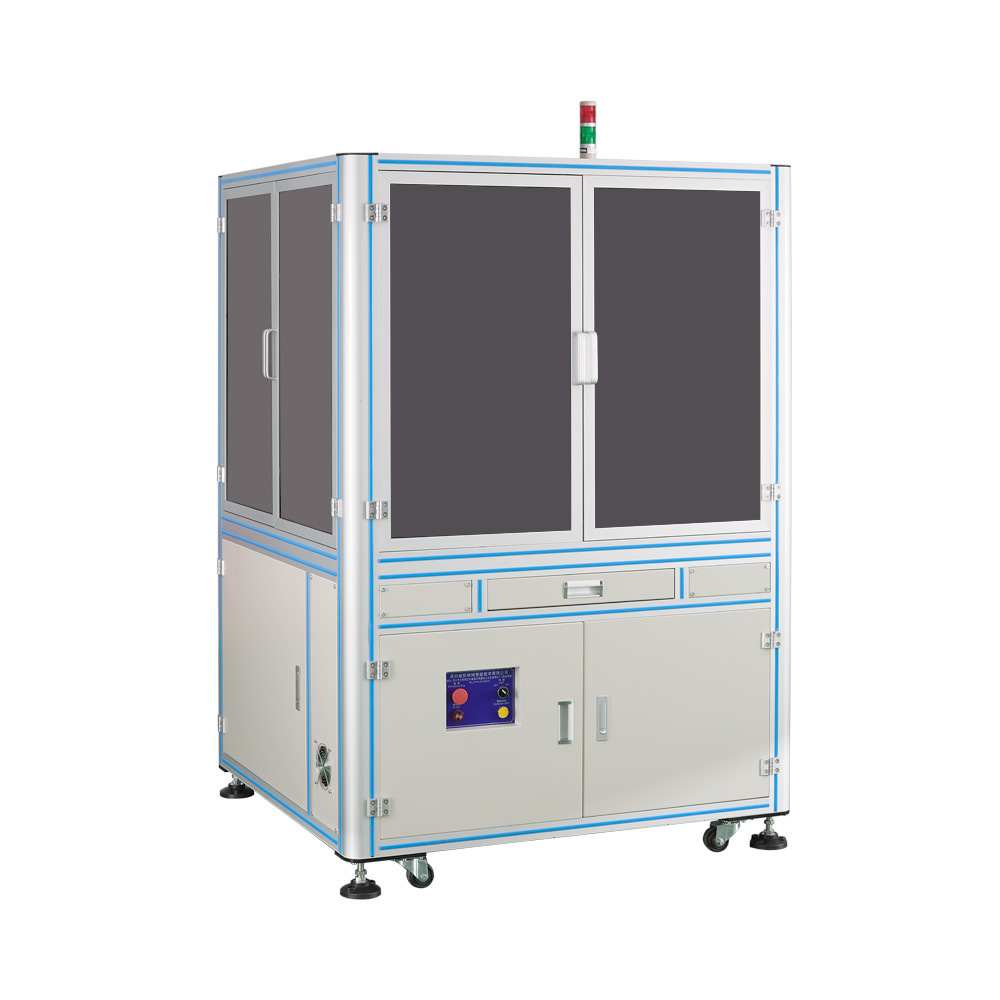
Optical sorting equipment typically consists of several components:
- **High-resolution cameras** capture images of the items being sorted.
- **Illumination systems** provide consistent lighting that enhances image clarity.
- **Processing units** utilizing advanced algorithms analyze the images to identify components.
- **Sorting mechanisms** such as air jets or conveyor belts that physically separate the components based on the analysis.
3. Applications of Optical Sorting Equipment in Mobile Phone Repair
The application of optical sorting technology in mobile phone repair is transforming various aspects of the repair process. Here are some key applications:
3.1 Component Sorting
One of the primary applications of optical sorting in mobile repair is the sorting of components. For instance, it can quickly identify and separate functional parts, such as batteries and screens, from damaged ones, speeding up the repair process and enhancing accuracy.
3.2 Quality Control
Optical sorting systems play a crucial role in quality control. By assessing the condition of components before they are reused or repaired, businesses can minimize errors and ensure that only high-quality parts are used in repairs, leading to higher customer satisfaction.
3.3 Recycling and Waste Management
With the increasing emphasis on sustainability, optical sorting technology can also aid in the recycling of mobile phone components. It allows for the efficient separation of recyclable materials, thereby reducing waste and promoting eco-friendly practices within the industry.
4. Benefits of Optical Sorting for Mobile Repair Businesses
Integrating optical sorting equipment into mobile repair operations offers several significant benefits:
4.1 Increased Efficiency
Optical sorting equipment speeds up the repair process by automating the sorting and categorization of components. This efficiency reduces labor costs and allows repair technicians to focus on more complex tasks.
4.2 Enhanced Accuracy
The precision provided by optical sorting systems minimizes human error in the sorting process. With reliable identification of components, businesses can ensure that the right parts are used, thus improving repair quality.
4.3 Cost Savings
By efficiently sorting components and reducing errors, businesses can save on material costs and minimize waste. Over time, these savings can significantly impact the bottom line.
4.4 Improved Customer Satisfaction
Faster turnaround times and high-quality repairs lead to satisfied customers. In a competitive industry, providing exceptional service through the use of advanced technology can help businesses stand out.
5. How Optical Sorting Works in the Repair Process
The implementation of optical sorting in mobile phone repair involves several steps:
5.1 Initial Inspection
The repair process begins with an initial inspection of the mobile device to assess its condition. This step helps identify which components may need replacement or repair.
5.2 Component Separation
Once the inspection is complete, the optical sorting equipment scans the components. High-resolution images are captured, and the equipment analyzes the data to sort functional components from damaged ones.
5.3 Quality Assurance
After sorting, the identified components undergo quality assurance checks. This step ensures that all parts meet the necessary standards before being used in repairs.
5.4 Final Assembly
Once the repairs are completed, the device is reassembled, and another round of quality checks is performed to ensure everything is working correctly.
6. Case Studies and Success Stories
Several companies have successfully integrated optical sorting equipment into their mobile repair processes, demonstrating its effectiveness:
6.1 Case Study: ABC Mobile Repairs
ABC Mobile Repairs implemented optical sorting technology in their operations and reported a 30% increase in efficiency. The automated sorting process reduced the time technicians spent on identifying components, enabling faster turnaround for customers.
6.2 Case Study: Tech Solutions
Tech Solutions focused on sustainability by using optical sorting for component recycling. By efficiently sorting recyclable materials, they reduced waste and improved their overall environmental impact, which resonated positively with their customer base.
7. Future Trends in Mobile Repair Technology
The mobile repair industry is continually evolving, and the role of optical sorting technology is expected to expand further. Some future trends to watch for include:
7.1 Integration with AI Technology
As artificial intelligence continues to advance, the integration of AI with optical sorting systems could enhance sorting accuracy and speed even further, making the repair process even more efficient.
7.2 Expansion of Automated Services
The shift towards automation in various industries suggests that mobile repair businesses may adopt more automated solutions, including advanced optical sorting systems, to streamline their operations.
7.3 Increased Focus on Sustainability
As environmental concerns grow, the importance of recycling and sustainable practices in mobile repairs will likely lead to wider adoption of optical sorting equipment for waste management and recycling.
8. Conclusion
The integration of optical sorting equipment into mobile phone repair processes represents a significant advancement in the industry. By improving efficiency, accuracy, and sustainability, this technology is not only benefiting businesses but also enhancing customer satisfaction. As the mobile repair landscape continues to evolve, embracing innovative solutions like optical sorting will be key to staying competitive in a rapidly changing market.
9. Frequently Asked Questions
Q1: What types of components can optical sorting equipment sort in mobile repairs?
A1: Optical sorting equipment can effectively sort various components such as screens, batteries, circuit boards, and other parts based on their optical properties.
Q2: How does optical sorting improve the repair process?
A2: By automating the sorting of components, optical sorting increases efficiency and accuracy, reduces labor costs, and minimizes human error in the repair process.
Q3: Is optical sorting technology expensive to implement?
A3: While the initial investment in optical sorting equipment can be significant, the long-term savings in labor costs and improved repair efficiency often justify the expense.
Q4: Can optical sorting aid in recycling mobile phone components?
A4: Yes, optical sorting technology helps to efficiently separate recyclable materials from non-recyclables, promoting sustainable practices in the mobile repair industry.
Q5: What is the future of optical sorting in mobile phone repair?
A5: The future of optical sorting appears promising, with potential advancements in AI integration and increased automation likely to further enhance its effectiveness in the mobile repair sector.
Contact Us
Ms. Lu: +86-18128878019
Phone: +86 0755-23199519
ADD : Room 302, 402, Building A, Xinpitou Industrial Zone, Kanghong Road, Xinqiang Community, Xinhu Street, Guangming New District, Shenzhen
Online Message
Our team will get in touch with you shortly, so keep an eye on your inbox




