

Revolutionizing Quality Control: The Role of Aoi Automatic Optical Inspection in Industries
2025-03-20


The Future of Quality Control
In today’s fast-paced manufacturing world, ensuring product quality is paramount. Enter Aoi Automatic Optical Inspection, a game-changer in the realm of quality assurance. This technology is not just a trend; it’s a necessity for industries aiming to maintain high standards and boost efficiency.
What is Aoi Automatic Optical Inspection?
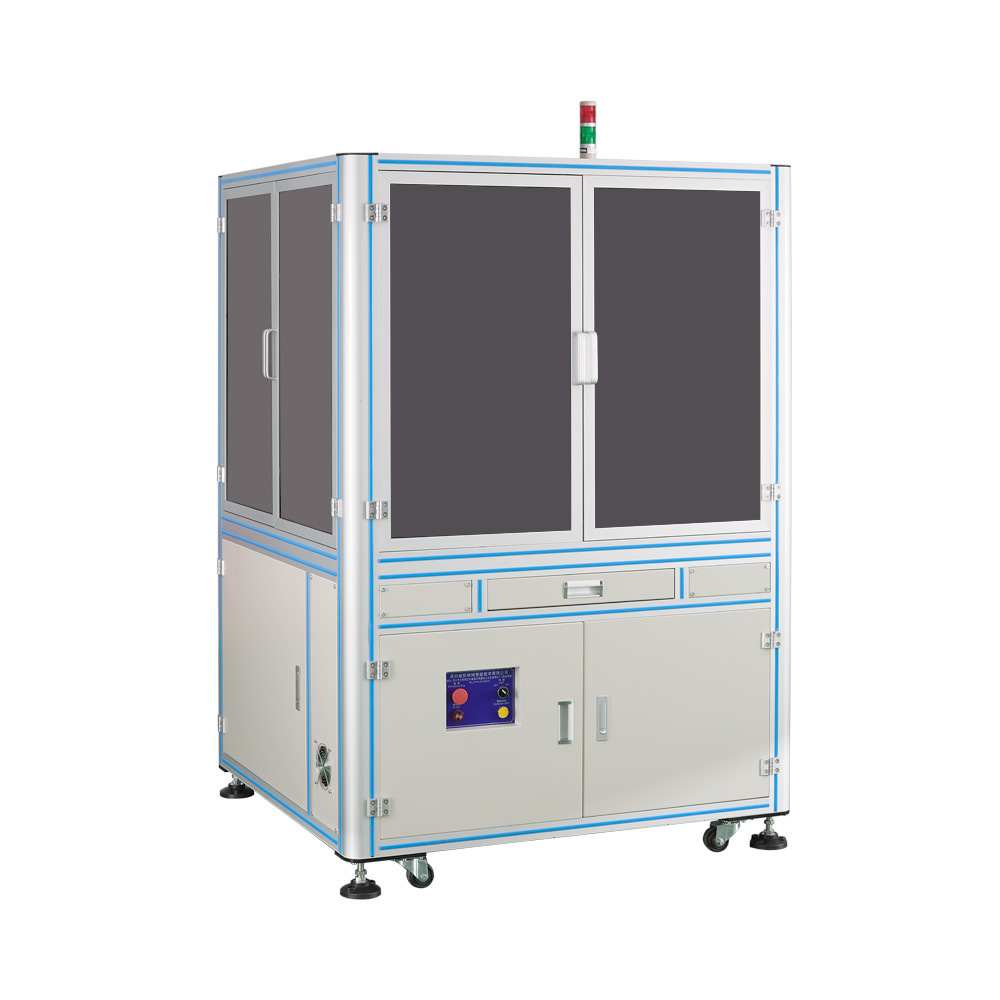
So, what exactly is Aoi Automatic Optical Inspection? In a nutshell, it’s a non-contact inspection method that uses advanced imaging technology to detect defects in products. Whether it’s in electronics, automotive, or even textiles, AOI systems are designed to automatically analyze images of products, ensuring they meet specified criteria.
Why AOI Matters
Quality control isn’t just about catching mistakes—it's about preventing them. With Aoi Automatic Optical Inspection, companies can identify issues early in the production process. This means less waste, reduced costs, and, ultimately, happier customers. Talk about a win-win!
Industries Benefiting from AOI
Let’s dive into a few sectors where this technology is making waves:
- Electronics: In the electronics industry, even the tiniest defect can lead to catastrophic failures. AOI systems meticulously check circuit boards for misalignments or soldering errors, ensuring that every component is perfectly placed.
- Automotive: Quality in automotive manufacturing is non-negotiable. From inspecting paint finishes to checking welds, Aoi Automatic Optical Inspection ensures that every part meets rigorous safety standards.
- Textiles: In fashion, appearance is everything. AOI helps textile manufacturers spot flaws in fabric patterns, color mismatches, or weaving defects before they reach the consumer.
Real-World Case Studies
Let’s take a closer look at how AOI technology is making a difference in real-world scenarios:
Case Study 1: Circuit Board Manufacturing
A leading electronics manufacturer implemented Aoi Automatic Optical Inspection to enhance their production line. By integrating AOI systems, they reduced their defect rate by a staggering 30%. This not only saved them a boatload of money but also improved their reputation in the market. Talk about a turnaround!
Case Study 2: Automotive Safety
In the automotive sector, a major car manufacturer adopted AOI to inspect their assembly line. With real-time data and analysis, they were able to catch potential safety issues before vehicles left the factory. The result? A remarkable increase in customer satisfaction and a drop in recall rates.
Challenges and Considerations
While the benefits of Aoi Automatic Optical Inspection are clear, implementing this technology isn’t without its challenges. Companies must consider the initial investment, staff training, and system integration. However, the long-term gains often outweigh these initial hurdles.
Looking Ahead
As technology continues to evolve, so too will Aoi Automatic Optical Inspection. With advancements in AI and machine learning, the future looks bright for AOI systems. Imagine a world where inspections are not only more accurate but also predictive! That’s the direction we’re headed, and it’s an exciting journey.
Conclusion
In conclusion, Aoi Automatic Optical Inspection is revolutionizing how industries approach quality control. Whether you’re in electronics, automotive, or textiles, integrating AOI into your production process can lead to significant improvements. Embrace the future, and let technology work for you!
Contact Us
Ms. Lu: +86-18128878019
Phone: +86 0755-23199519
ADD : Room 302, 402, Building A, Xinpitou Industrial Zone, Kanghong Road, Xinqiang Community, Xinhu Street, Guangming New District, Shenzhen
Online Message
Our team will get in touch with you shortly, so keep an eye on your inbox




