

Revolutionizing Quality Control: The Role of CCD Visual Inspection Automated Equipment
2025-11-06


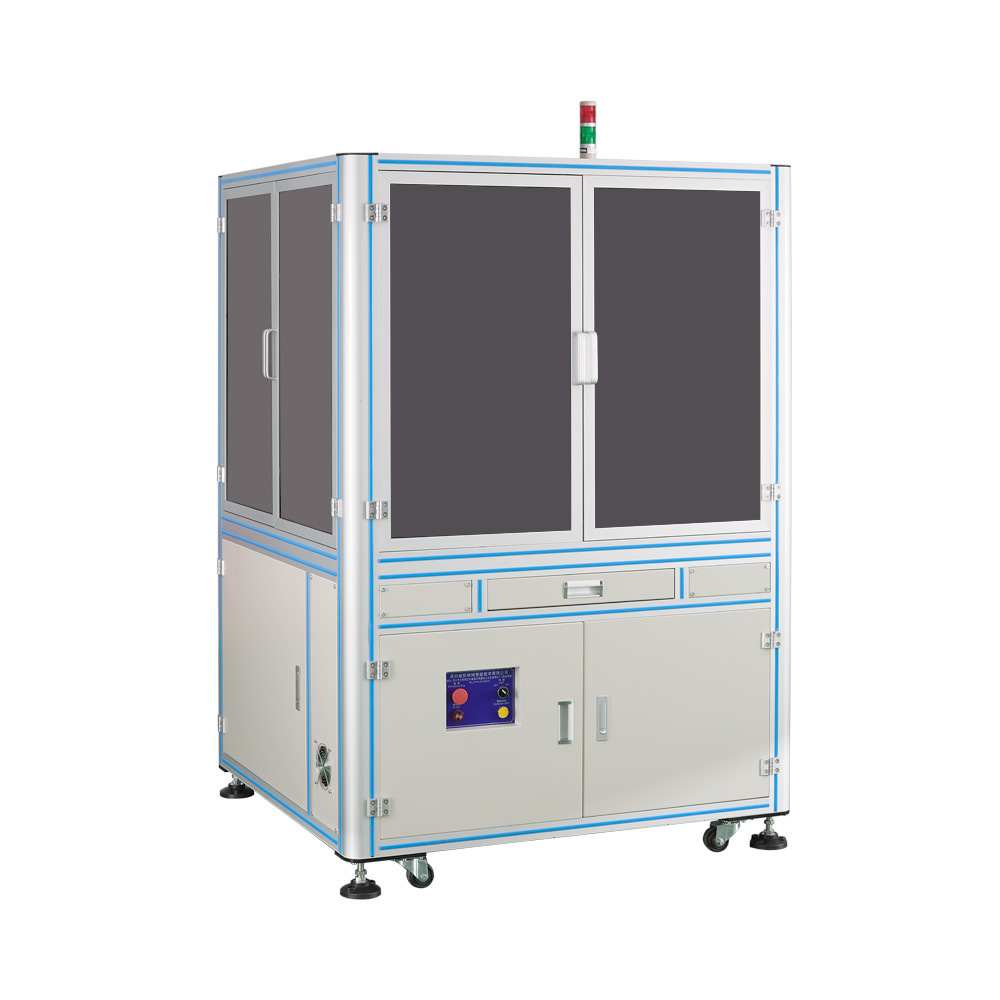
In the realm of optical instruments, particularly within the lens and optical testing equipment sector, maintaining high standards of quality is paramount. One of the most effective solutions to achieve this is through the implementation of CCD (Charge-Coupled Device) visual inspection automated equipment. This technology not only streamlines the inspection process but also elevates the accuracy and reliability of quality assessments.
CCD visual inspection systems utilize advanced imaging technology to capture high-resolution images of the optical components being tested. These systems are equipped with sophisticated algorithms that analyze the captured images for defects, misalignments, and other quality-related issues. By automating the inspection process, manufacturers can significantly reduce human error, which is a common factor in manual inspections.
One of the key advantages of using CCD visual inspection automated equipment is its speed. Traditional inspection methods can be time-consuming, often leading to bottlenecks in production. In contrast, automated systems can process images and deliver results in real-time, ensuring that products meet quality standards before they proceed to the next stage of production. This rapid feedback loop not only accelerates the manufacturing process but also helps in identifying and rectifying issues early, thereby minimizing waste and rework.
Moreover, CCD visual inspection systems contribute to consistency in quality assurance. Human inspectors may vary in their judgment, leading to inconsistencies in the inspection results. Automated equipment, on the other hand, provides a uniform standard for evaluation, ensuring that each product is subjected to the same rigorous scrutiny. This consistency is crucial in industries where precision is critical, such as in the production of optical lenses used in high-end cameras or medical devices.
The integration of CCD visual inspection automated equipment also allows for better data collection and analysis. These systems can store images and inspection results, enabling manufacturers to track quality trends over time. This data-driven approach allows for informed decision-making when it comes to process improvements and product development. By understanding common defects and their causes, manufacturers can proactively make adjustments to enhance product quality.
In conclusion, CCD visual inspection automated equipment is a transformative technology for the optical instruments industry. Its ability to enhance speed, accuracy, and consistency in quality control processes makes it an invaluable asset for manufacturers. As the industry continues to evolve, embracing such innovations will be essential for maintaining competitive advantage and ensuring the delivery of high-quality optical products.
Contact Us
Ms. Lu: +86-18128878019
Phone: +86 0755-23199519
ADD : Room 302, 402, Building A, Xinpitou Industrial Zone, Kanghong Road, Xinqiang Community, Xinhu Street, Guangming New District, Shenzhen
Online Message
Our team will get in touch with you shortly, so keep an eye on your inbox




