

Revolutionizing Quality Control with Aoi Automatic Optical Inspection
2025-11-21


Introduction to Aoi Automatic Optical Inspection
In today's fast-paced manufacturing world, quality control is no longer just an afterthought; it's a fundamental pillar of success. Enter Aoi Automatic Optical Inspection—an innovative technology that's making waves across various industries. But what exactly is it, and why should you care? Let's dive in!
What is Aoi Automatic Optical Inspection?
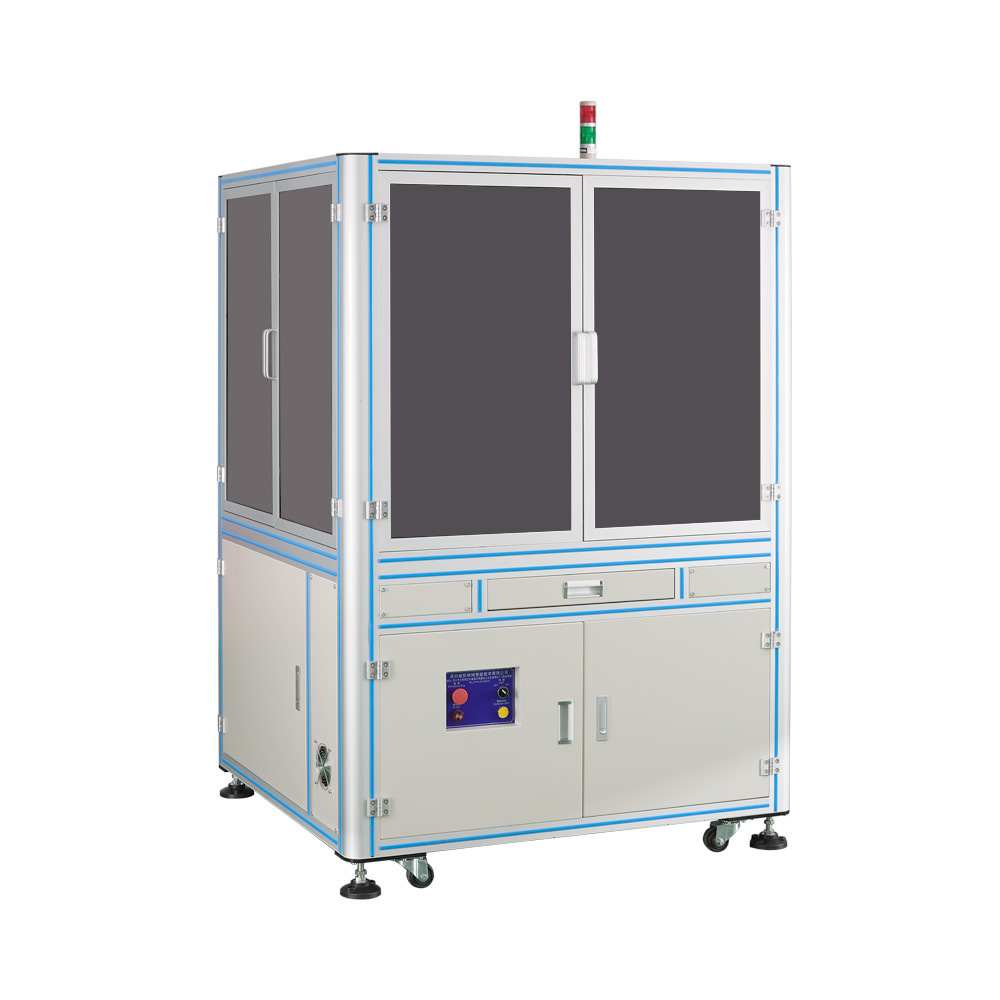
Aoi Automatic Optical Inspection (AOI) is a sophisticated method used to inspect and analyze printed circuit boards (PCBs) and other components. By using high-resolution cameras and advanced software, AOI systems can detect defects in real-time, ensuring that products meet stringent quality standards. Talk about a game changer!
How Does It Work?
So, how does this nifty technology work? Well, it's pretty straightforward. The process begins with the placement of the PCB on a conveyor belt. As it moves through the AOI system, high-resolution cameras take thousands of images. The software then analyzes these images, comparing them against a predefined set of parameters. If any discrepancies are found, an alert is triggered. Easy-peasy, right?
Benefits of Aoi Automatic Optical Inspection
- Speed: AOI systems can inspect boards at lightning speed, significantly reducing production time.
- Accuracy: With advanced algorithms, AOI minimizes human error, catching defects that the human eye might miss.
- Cost-Effective: By detecting defects early in the manufacturing process, companies can avoid costly recalls and rework.
Industry Applications
Now, let's explore how Aoi Automatic Optical Inspection is being utilized across various sectors.
1. Electronics Manufacturing
The electronics industry was one of the first sectors to adopt AOI technology. From smartphones to home appliances, ensuring that each component is defect-free is crucial. AOI has become a staple in many assembly lines, providing manufacturers with peace of mind.
2. Automotive Industry
In the automotive sector, quality is paramount. Any defect can lead to catastrophic failures. AOI systems are used to inspect everything from circuit boards in infotainment systems to sensors in safety features. It's all about keeping drivers safe!
3. Aerospace Sector
When it comes to aerospace, the stakes are even higher. Components must meet rigorous standards, and a tiny flaw can have dire consequences. AOI helps ensure that every part meets the necessary specifications before it's cleared for takeoff.
Challenges and Considerations
Despite its numerous benefits, Aoi Automatic Optical Inspection isn't without challenges. For instance, the initial investment in AOI technology can be steep. Additionally, if the software isn't properly calibrated, it may yield false positives or negatives, leading to unnecessary rework or missed defects.
However, with proper training and maintenance, these challenges can be mitigated, making the investment well worth it.
The Future of Aoi Automatic Optical Inspection
As technology continues to evolve, so too will AOI systems. With the integration of artificial intelligence and machine learning, future AOI systems will become even more adept at identifying defects, learning from past inspections, and adapting to new manufacturing processes. Exciting, right?
Conclusion
In conclusion, Aoi Automatic Optical Inspection is not just a trend; it's a revolutionary approach to quality control that's here to stay. By streamlining inspections and ensuring product integrity, AOI is helping industries produce better, safer products. If you're in manufacturing, it might be time to hop on the AOI bandwagon!
Contact Us
Ms. Lu: +86-18128878019
Phone: +86 0755-23199519
ADD : Room 302, 402, Building A, Xinpitou Industrial Zone, Kanghong Road, Xinqiang Community, Xinhu Street, Guangming New District, Shenzhen
Online Message
Our team will get in touch with you shortly, so keep an eye on your inbox




