

Revolutionizing Rubber Production with Customized Optical Sorting Machines
2025-02-17


Revolutionizing Rubber Production with Customized Optical Sorting Machines
Introduction to Optical Sorting Technology in Rubber Production
The rubber industry is undergoing significant transformations, with **customized optical sorting machines** at the forefront. These advanced sorting systems leverage cutting-edge technology to optimize the production process, ensuring higher quality and efficiency. As manufacturers strive to remain competitive, understanding how these machines work and their impact on production is essential.
The Importance of Quality in Rubber Production
Quality is paramount in rubber production, as it directly affects the durability and performance of the final products. Traditional sorting methods often fall short, leading to inconsistencies and defects. Customized optical sorting machines address these challenges by offering superior accuracy in material separation. This section delves into why quality control is critical in the rubber manufacturing process.
Understanding Optical Sorting Machines
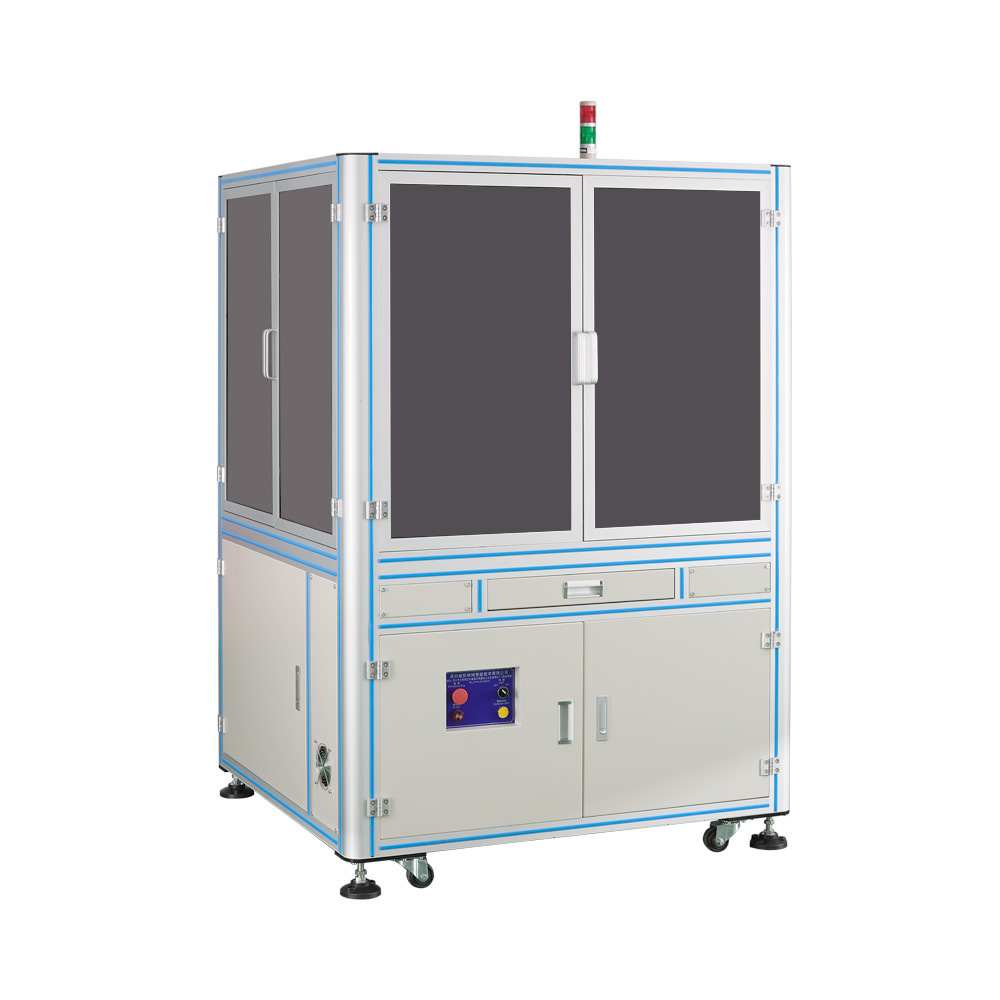
Optical sorting machines utilize **high-resolution cameras** and advanced algorithms to identify and separate materials based on various characteristics such as color, size, and shape. These machines can detect contaminants or undesired materials that manual sorting might overlook.
How Customized Solutions Enhance Optical Sorting
Every rubber production facility is unique, necessitating tailored solutions that fit specific operational needs. Customized optical sorting machines can be programmed and adjusted to meet various sorting requirements, ensuring maximized efficiency and output.
Advantages of Using Customized Optical Sorting Machines
The benefits of incorporating customized optical sorting machines into rubber production processes are extensive. Here is a closer look at the key advantages:
1. Increased Efficiency and Speed
Optical sorting machines operate at a speed that far surpasses manual sorting. By automating the sorting process, manufacturers can significantly reduce production time, allowing for higher throughput and faster delivery times to customers.
2. Enhanced Quality Control
With advanced detection capabilities, these machines improve the quality control process. They can identify and eliminate defects, contaminants, and non-conforming materials, ensuring that only the highest quality rubber makes it to production.
3. Cost-Effective Operations
While initial investments in customized optical sorting machines may seem substantial, the long-term savings significantly outweigh the costs. Increased efficiency leads to lower labor costs, reduced waste, and improved product quality, ultimately contributing to greater profitability.
4. Flexibility for Diverse Production Needs
Rubber production often requires handling various materials and grades. Customized optical sorting machines provide the flexibility to adapt to different sorting requirements, making them ideal for manufacturers with diverse product lines.
Implementing Customized Optical Sorting Machines in Rubber Production
Integrating customized optical sorting machines into existing production lines can seem daunting. However, a systematic approach can ensure a smooth transition.
1. Assessing Production Needs
A thorough assessment of current production processes is the first step. Identify the specific sorting challenges faced, and determine the characteristics that need to be sorted. This information will guide the customization of the optical sorting machine.
2. Collaborating with Experts
Working with technology providers who specialize in optical sorting is crucial. They can offer insights and recommendations on the best machine configurations for your specific needs.
3. Training Personnel
Proper training for staff is vital to maximize the benefits of customized optical sorting machines. Employees should understand how to operate the machines effectively and maintain them to ensure ongoing performance.
4. Continuous Monitoring and Optimization
Once implemented, continuous monitoring of the sorting process is essential. This approach allows for ongoing optimization of machine settings, ensuring that the sorting remains efficient and effective as production needs evolve.
Case Studies: Successful Implementations of Optical Sorting in the Rubber Industry
To illustrate the impact of customized optical sorting machines, we present several case studies where manufacturers have successfully integrated these technologies into their operations.
Case Study 1: Enhancing Quality Control at a Tire Manufacturer
A leading tire manufacturer faced challenges with impurities in their rubber materials. By implementing a customized optical sorting machine, they improved their contamination detection rate by over 90%, resulting in higher-quality tires and reduced waste.
Case Study 2: Increasing Production Speed for Rubber Products
A company specializing in rubber seals sought to improve its production speed. After integrating optical sorting technology, they achieved a 40% increase in throughput, allowing them to meet growing market demands without sacrificing quality.
Future Trends in Optical Sorting Technology for Rubber Production
The future of optical sorting technology looks promising. Innovations in artificial intelligence and machine learning are set to enhance sorting capabilities further. Here are a few trends to watch:
1. AI-Powered Sorting Algorithms
The incorporation of AI will enable machines to learn from previous sorting outcomes, continually improving their accuracy and efficiency.
2. Integration with IoT Systems
Connecting optical sorting machines to IoT platforms will allow for real-time monitoring and analytics, providing manufacturers with valuable insights into production processes and performance.
3. Sustainable Practices
As the industry moves toward sustainability, optical sorting machines will play a crucial role in material recovery and recycling processes, making rubber production more eco-friendly.
FAQs About Customized Optical Sorting Machines in Rubber Production
1. What are customized optical sorting machines?
Customized optical sorting machines are advanced systems designed to sort materials based on specific characteristics using high-resolution cameras and algorithms tailored to meet individual production needs.
2. How do optical sorting machines improve quality control?
These machines enhance quality control by accurately identifying and removing contaminants and defects in raw materials, ensuring only high-quality rubber is processed.
3. Are customized optical sorting machines expensive to implement?
While there may be significant upfront costs, the long-term savings through increased efficiency and reduced waste often justify the investment.
4. Can optical sorting machines handle different types of rubber materials?
Yes, customized optical sorting machines can be programmed to accommodate various rubber grades and materials, providing flexibility in production.
5. What is the expected ROI from implementing optical sorting technology?
The return on investment can vary, but many manufacturers report increased profitability within a year of implementation due to reduced labor costs and enhanced product quality.
Conclusion
The introduction of customized optical sorting machines is revolutionizing the rubber production landscape. By enhancing efficiency, improving quality control, and providing flexibility, these machines are essential for modern manufacturers looking to stay ahead in a competitive market. As technology continues to evolve, embracing these innovations will position companies for future success. Investing in customized optical sorting technology is not just a trend; it is a strategic move toward sustainability and superior product quality in the rubber industry.
Contact Us
Ms. Lu: +86-18128878019
Phone: +86 0755-23199519
ADD : Room 302, 402, Building A, Xinpitou Industrial Zone, Kanghong Road, Xinqiang Community, Xinhu Street, Guangming New District, Shenzhen
Online Message
Our team will get in touch with you shortly, so keep an eye on your inbox




