

Seeing Clearly: The Rise of Optical Screening Machines in News Reporting
2024-12-31


Seeing Clearly: The Rise of Optical Screening Machines in News Reporting
In a world where information travels at the speed of light, the importance of accuracy in journalism has never been greater. Enter the optical screening machine, a revolutionary tool that’s reshaping how news is gathered, processed, and reported. If you think about it, these machines are like the unsung heroes of the newsroom, quietly working behind the scenes to ensure that what you read is both reliable and engaging.
The Need for Speed and Accuracy
Let’s face it. In today’s fast-paced media landscape, news organizations are under immense pressure to deliver content that’s not just timely but also accurate. This is where the optical screening machine comes into play. With its ability to scan, analyze, and verify information at lightning speed, this technology is a game changer.
Imagine a bustling newsroom, reporters racing against deadlines, and editors juggling multiple tasks. Amidst the chaos, an optical screening machine diligently processes documents, images, and data, ensuring that every piece of information meets the highest standards of accuracy. It’s like having a trusty sidekick that never falters!
How It Works: A Peek Behind the Curtain
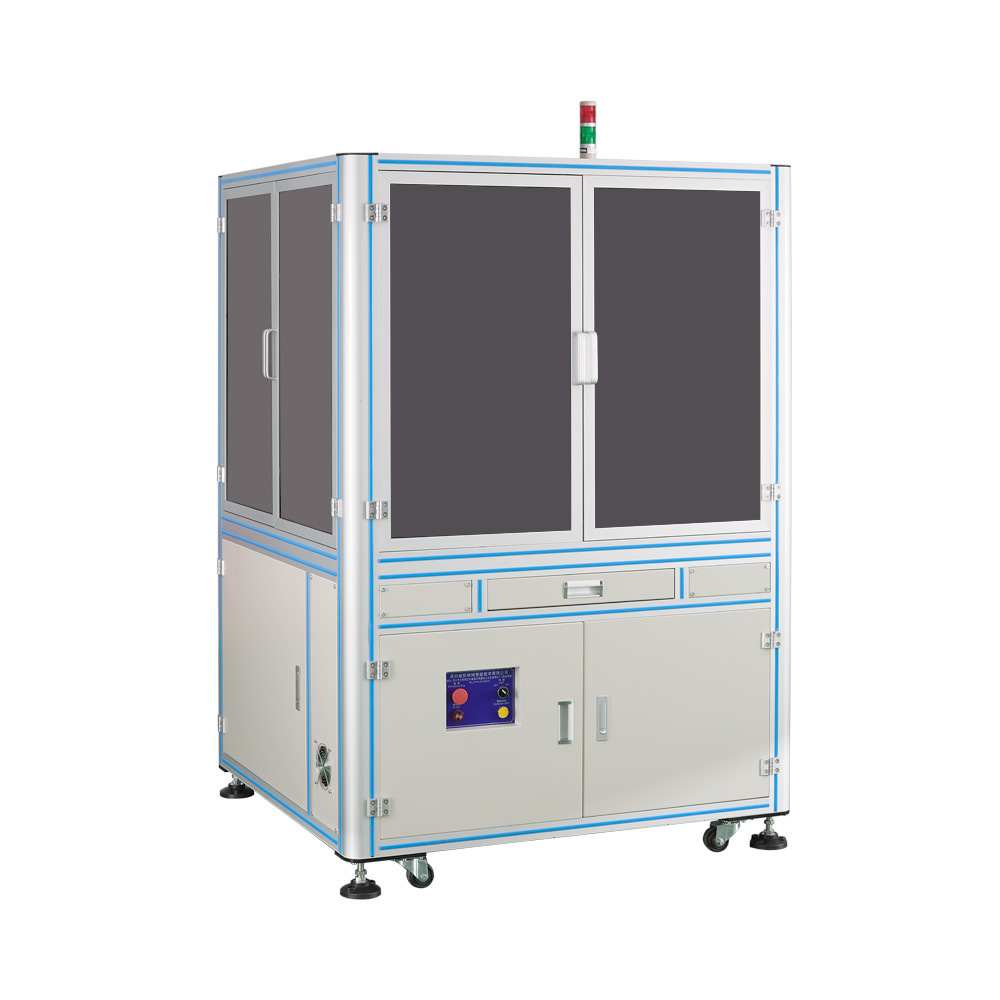
So, how does this nifty contraption work its magic? Essentially, an optical screening machine uses advanced imaging technology to scan printed or handwritten text. It then employs optical character recognition (OCR) software to convert this text into a digital format. This means that it can sift through mountains of documents in mere seconds, extracting relevant information with uncanny precision.
Oh, and let’s not forget about its ability to spot discrepancies or errors in real-time. If there’s a typo or a factual mistake, the machine flags it immediately, allowing reporters to make corrections on the fly. Talk about a win-win!
Transforming Investigative Journalism
Investigative journalism, often hailed as the backbone of a free press, stands to benefit immensely from optical screening machines. These machines can analyze vast amounts of data, including public records, financial statements, and even social media posts. By quickly identifying patterns and anomalies, journalists can uncover stories that might have otherwise gone unnoticed.
For instance, consider a case involving corporate malpractice. An optical screening machine can comb through thousands of documents related to a company’s financial dealings, pinpointing suspicious transactions that warrant further investigation. With this technology at their disposal, journalists can dig deeper and deliver more substantial stories to the public.
Challenges and Considerations
Of course, no technology comes without its challenges. While optical screening machines offer incredible benefits, they also raise questions about data privacy and security. News organizations must ensure that they handle sensitive information responsibly, adhering to ethical guidelines and legal standards.
Moreover, as with any tool, there’s a learning curve. Journalists need training to fully harness the capabilities of these machines. Fortunately, many organizations are investing in training programs to equip their teams with the necessary skills. After all, knowledge is power!
The Future of News Reporting
As we look ahead, it’s clear that the integration of optical screening machines in news reporting is just the tip of the iceberg. The media landscape is evolving, and technology will continue to play a pivotal role in shaping how stories are told.
Can you imagine a future where AI-driven optical screening machines not only assist in reporting but also help in crafting narratives? The possibilities are endless! While we’re not quite there yet, it's undeniable that these machines are paving the way for a more efficient, accurate, and engaging news experience.
Wrapping It Up
In conclusion, optical screening machines are revolutionizing the way news is reported and consumed. They enhance accuracy, streamline processes, and empower journalists to tell more compelling stories. As readers, we can look forward to a future where the news we receive is not only timely but also thoroughly vetted and trustworthy. So, the next time you scroll through your news feed, remember the technology working tirelessly behind the scenes. It’s a brave new world out there, and thanks to optical screening machines, we’re all seeing a bit more clearly!
Contact Us
Ms. Lu: +86-18128878019
Phone: +86 0755-23199519
ADD : Room 302, 402, Building A, Xinpitou Industrial Zone, Kanghong Road, Xinqiang Community, Xinhu Street, Guangming New District, Shenzhen
Online Message
Our team will get in touch with you shortly, so keep an eye on your inbox




