

The Essential Guide to CCD Visual Inspection: Enhancing Quality Control
2025-08-26


Understanding CCD Visual Inspection
In the fast-paced world of manufacturing, quality control isn't just a buzzword—it's a necessity. Enter CCD visual inspection, a game-changing technique that's transforming how industries evaluate products. But what exactly does it entail? Let's dive in!
What is CCD Visual Inspection?
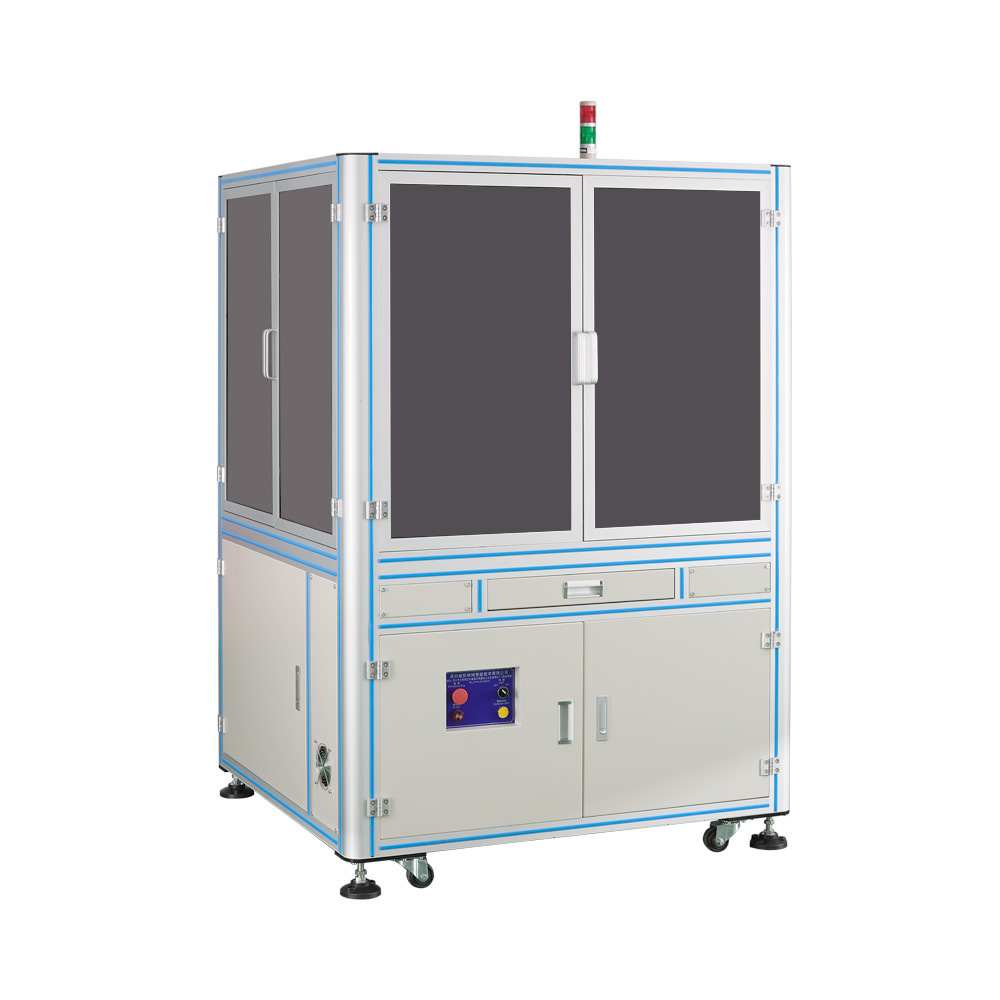
Short for Charge-Coupled Device visual inspection, this nifty process uses advanced imaging technology to detect flaws in products. Imagine a super-smart camera paired with sophisticated software, scanning each item with laser-like precision. It's like having a hawk's eye on the production line!
Why is it Important?
Quality control isn't just about catching defects; it's about ensuring consistency and reliability. With CCD visual inspection, manufacturers can:
- Reduce Errors: Automated inspections minimize human error, ensuring a higher standard of quality.
- Enhance Efficiency: Faster inspections mean less downtime and more productivity. It's like having an extra set of hands without the need for coffee breaks!
- Boost Customer Satisfaction: High-quality products lead to happier customers, which is what every business strives for.
How Does It Work?
Alright, let's break it down! The CCD camera captures images of the product as it moves down the assembly line. The software analyzes these images, looking for discrepancies or defects. It's like a game of “Where's Waldo?”—but instead of finding a quirky character, it's about spotting imperfections in your favorite gadgets!
Key Features of CCD Visual Inspection
Here are a few standout features that make CCD visual inspection a must-have:
- High Resolution: CCD sensors provide sharp, clear images, making it easier to detect even the tiniest flaws.
- Real-Time Analysis: As products roll off the line, they're analyzed on the spot, allowing for immediate corrective actions if issues arise.
- Versatility: From electronics to food packaging, CCD visual inspection can be applied across various industries!
Challenges and Considerations
Of course, no system is perfect. While CCD visual inspection is incredibly effective, it does come with its own set of challenges. For instance, lighting conditions can affect image quality. Manufacturers must ensure proper lighting to get the best results. It's like trying to take a great photo at sunset—sometimes you need to adjust the settings!
The Future is Bright!
As technology advances, the applications of CCD visual inspection will only expand. With AI and machine learning making waves, we can expect even more sophisticated analysis and detection capabilities. Imagine a world where products are inspected not just for defects but also for performance metrics. The possibilities are endless!
Final Thoughts
In a nutshell, CCD visual inspection is a vital component of modern manufacturing. It enhances quality control, reduces errors, and ultimately leads to customer satisfaction. So, the next time you pick up a product, remember the invisible watchful eye that ensures its quality. Isn't technology just amazing?
Contact Us
Ms. Lu: +86-18128878019
Phone: +86 0755-23199519
ADD : Room 302, 402, Building A, Xinpitou Industrial Zone, Kanghong Road, Xinqiang Community, Xinhu Street, Guangming New District, Shenzhen
Online Message
Our team will get in touch with you shortly, so keep an eye on your inbox




