

The Essential Role of AOI Visual Inspection Equipment in Modern Manufacturing
2025-10-28


The Essential Role of AOI Visual Inspection Equipment in Modern Manufacturing
Introduction to AOI Visual Inspection Equipment
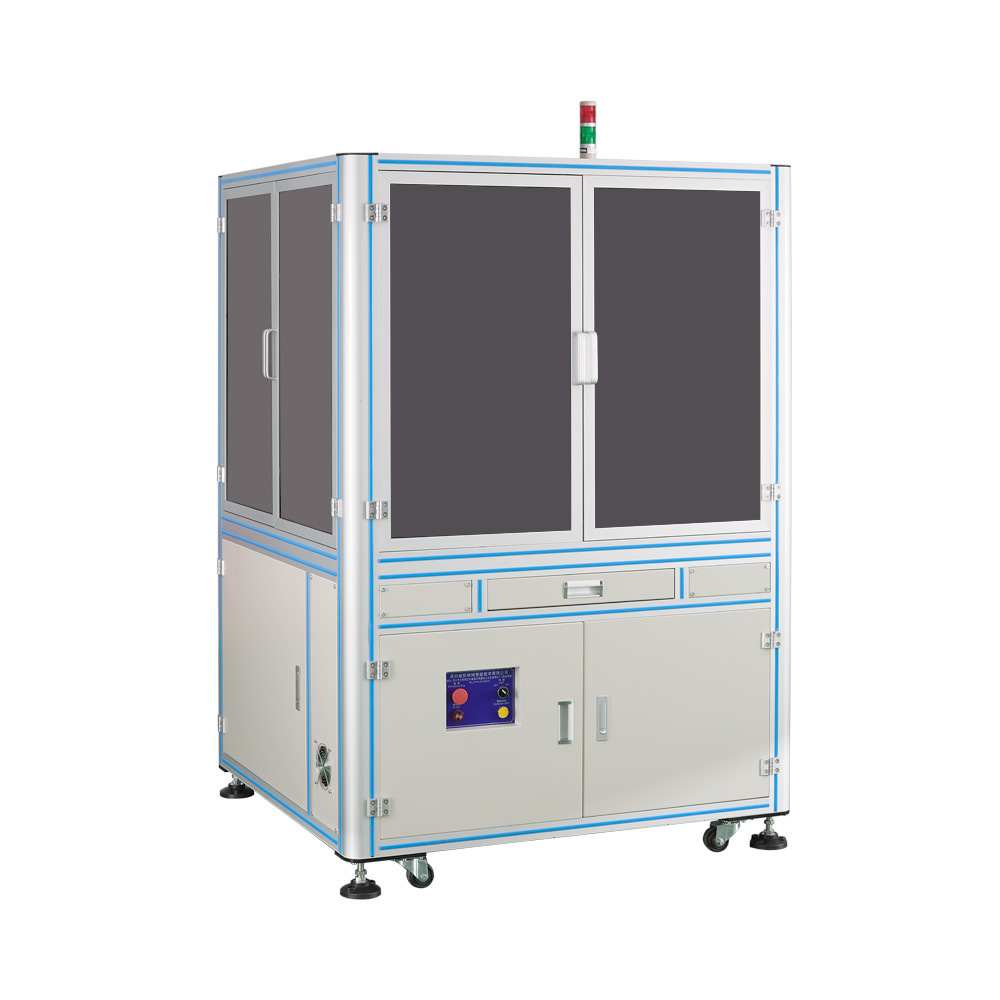
In the fast-paced world of modern manufacturing, ensuring product quality and reliability is paramount. One innovative solution that has transformed quality control processes is **Automated Optical Inspection (AOI)** visual inspection equipment. This technology uses sophisticated imaging techniques to identify defects in various products, from electronic components to automotive parts. In this article, we will explore the significant role of AOI equipment in contemporary manufacturing, its advantages, and how it integrates with other technologies to enhance overall production efficiency.
Understanding Automated Optical Inspection (AOI)
What is AOI?
Automated Optical Inspection (AOI) refers to the use of computer vision and imaging technology to examine products during the manufacturing process. AOI systems capture high-resolution images and analyze them against predefined parameters to detect defects, ensuring that only high-quality products reach the market.
How AOI Works
AOI systems typically utilize **high-resolution cameras** and advanced algorithms to perform inspections. The process begins with the equipment capturing images of the product from multiple angles. The software then processes these images using sophisticated algorithms that compare them to a "golden template," which represents the ideal product characteristics. Any discrepancies or defects are flagged for further analysis.
Key Components of AOI Systems
1. **Cameras**: High-resolution cameras capture detailed images of the product.
2. **Lighting**: Controlled lighting conditions enhance image quality and highlight defects.
3. **Software Algorithms**: Intelligent algorithms analyze images for defects.
4. **User Interface**: A user-friendly interface allows operators to set parameters and review results.
The Advantages of AOI Visual Inspection Equipment
1. Enhanced Quality Control
One of the most significant benefits of AOI equipment is its ability to improve quality control. By automating the inspection process, manufacturers can identify defects at an early stage, reducing the likelihood of faulty products being shipped to customers. This proactive approach not only saves costs associated with returns and warranty claims but also enhances customer satisfaction.
2. Increased Efficiency and Speed
Traditional manual inspection methods can be slow and prone to human error. AOI systems operate at a much faster pace, allowing manufacturers to conduct inspections in real-time without slowing down production lines. This speed is essential in industries where time-to-market is critical.
3. Cost Reduction
While the initial investment in AOI equipment may be significant, the long-term cost savings are substantial. By reducing defect rates and improving operational efficiency, manufacturers can save on labor costs, material waste, and rework expenses. Moreover, AOI systems can operate continuously, further maximizing output.
4. Adaptability to Different Products
AOI systems are versatile and can be customized to inspect a wide range of products across various industries. Whether it's electronics, automotive, or pharmaceutical manufacturing, AOI technology can be tailored to meet specific inspection requirements, making it an invaluable tool for diverse production environments.
Integrating AOI Equipment with Modern Manufacturing Technologies
The Role of Industry 4.0
The rise of **Industry 4.0** has brought significant changes to manufacturing. AOI visual inspection equipment plays a pivotal role in this transformation, as it integrates seamlessly with other smart manufacturing technologies. By connecting AOI systems to the Internet of Things (IoT), manufacturers can monitor inspection data in real-time, allowing for immediate adjustments to production processes.
Data Analytics and AOI
Another advantage of AOI systems is their ability to generate valuable data. By analyzing inspection results, manufacturers can identify trends, pinpoint recurring defects, and make informed decisions to optimize production processes. This data-driven approach enhances overall efficiency and quality, positioning companies for long-term success.
Challenges and Considerations in AOI Implementation
1. Initial Investment
While the long-term benefits of AOI systems are clear, the initial investment can be a barrier for some manufacturers. It's essential to conduct a cost-benefit analysis to ensure that the potential savings and quality improvements justify the upfront costs.
2. Training and Workforce Adaptation
Implementing AOI technology requires training for operators and engineers. Ensuring that the workforce understands how to use the equipment effectively is critical for maximizing its potential. Manufacturers should invest in training programs to facilitate this transition.
3. Ongoing Maintenance and Calibration
Like any technological system, AOI equipment requires regular maintenance and calibration to function optimally. Establishing a routine maintenance schedule is crucial to ensure that the equipment continues to deliver accurate results.
Future Trends in AOI Visual Inspection Technology
1. Advancements in Artificial Intelligence
As artificial intelligence (AI) continues to evolve, it will play an increasingly significant role in AOI systems. AI algorithms can learn from inspection data, improving accuracy and reducing false positives over time. This advancement will enhance the effectiveness of AOI inspections in identifying defects.
2. Increased Automation and Robotics
The trend toward greater automation in manufacturing will likely influence the development of AOI systems. Integrating AOI equipment with robotic systems will allow for fully automated inspection processes, further increasing efficiency and accuracy.
Real-World Applications of AOI Equipment
A. Electronics Manufacturing
In the electronics industry, AOI systems are crucial for inspecting printed circuit boards (PCBs). They identify soldering defects, component misalignments, and other issues that could compromise product performance. The use of AOI has become standard practice in electronics manufacturing, significantly improving quality control.
B. Automotive Industry
Automotive manufacturers utilize AOI equipment to inspect various components, including wiring harnesses and engine parts. By ensuring that these critical components meet quality standards, manufacturers can enhance vehicle safety and reliability.
C. Pharmaceutical and Medical Device Production
In the pharmaceutical and medical device sectors, regulatory requirements demand the highest quality standards. AOI visual inspection equipment is employed to ensure that packaging, labeling, and product integrity meet stringent guidelines, ultimately safeguarding patient health.
FAQs About AOI Visual Inspection Equipment
1. What types of defects can AOI equipment detect?
AOI equipment can detect a variety of defects, including soldering issues, component misalignment, surface defects, and dimensional discrepancies.
2. How does AOI equipment improve manufacturing efficiency?
By automating the inspection process, AOI systems operate faster than manual inspections, reducing production bottlenecks and ensuring higher throughput.
3. Is AOI equipment suitable for every manufacturing industry?
Yes, AOI equipment is versatile and can be adapted for use in various industries, including electronics, automotive, and pharmaceuticals.
4. What is the typical lifespan of AOI equipment?
The lifespan of AOI equipment can vary depending on usage and maintenance. With proper care, many systems can operate effectively for several years.
5. Can AOI systems be integrated with existing production lines?
Yes, AOI systems are designed for easy integration with existing manufacturing processes, enhancing quality control without requiring significant changes to production lines.
Conclusion
In conclusion, **Automated Optical Inspection (AOI)** visual inspection equipment plays an essential role in modern manufacturing. Its ability to enhance quality control, increase efficiency, and reduce costs positions it as a vital tool in today's competitive market. As technology continues to evolve, AOI systems will undoubtedly become even more sophisticated, further solidifying their place in the manufacturing landscape. Investing in AOI technology not only supports immediate quality improvements but also prepares manufacturers for the future challenges of an ever-evolving industry. Embracing this technology ensures that companies remain at the forefront of quality assurance in manufacturing, ultimately leading to greater customer satisfaction and business success.
Contact Us
Ms. Lu: +86-18128878019
Phone: +86 0755-23199519
ADD : Room 302, 402, Building A, Xinpitou Industrial Zone, Kanghong Road, Xinqiang Community, Xinhu Street, Guangming New District, Shenzhen
Online Message
Our team will get in touch with you shortly, so keep an eye on your inbox




