

The Future of Optical Inspection: CCD Technology Explained
2025-11-03


The Future of Optical Inspection: CCD Technology Explained
Table of Contents
- Introduction to Optical Inspection and CCD Technology
- What is CCD Technology?
- A Brief History of CCD Technology
- Benefits of CCD Technology in Optical Inspection
- Applications of CCD Technology in Various Industries
- Future Trends in CCD Technology for Optical Inspection
- Challenges and Limitations of CCD Technology
- Frequently Asked Questions
- Conclusion
Introduction to Optical Inspection and CCD Technology
The field of optical inspection has seen significant advancements in recent years, primarily driven by innovative technologies like Charge-Coupled Devices (CCD). Optical inspection systems are vital in numerous industries, including manufacturing, healthcare, and electronics, where they ensure quality control, precision, and safety. As we delve into the capabilities and future potential of CCD technology, we uncover how it is set to revolutionize the way we conduct inspections across various applications.
What is CCD Technology?
Charge-Coupled Devices (CCDs) are semiconductor devices that convert light into electrical signals. They are widely used in imaging applications, such as digital cameras, telescopes, and optical inspection systems. The fundamental working principle of CCDs involves the collection and transfer of charge across the device, enabling high-quality image capture with remarkable sensitivity and resolution.
CCDs operate by converting incoming photons into electrons, which are then transferred through the device to an output node where they are read out as a digital signal. This process allows for the capture of detailed images, making CCDs the preferred choice in scenarios where accuracy and clarity are paramount.
A Brief History of CCD Technology
The journey of CCD technology began in the late 1960s with the development of the first prototype by Willard Boyle and George E. Smith at Bell Labs. Initially intended for applications in astronomy and telecommunications, CCD technology quickly expanded into various fields, including photographic imaging and video recording.
By the 1980s, CCDs had gained popularity in scientific research, particularly in astronomy and medical imaging, due to their ability to capture high-quality images in low-light conditions. The introduction of consumer digital cameras in the 1990s marked a significant milestone, propelling CCD technology into mainstream usage and transforming the photography landscape.
Benefits of CCD Technology in Optical Inspection
The integration of CCD technology into optical inspection systems offers numerous advantages that enhance the efficiency and accuracy of inspections. Some of the key benefits include:
High Sensitivity and Resolution
CCDs are known for their remarkable sensitivity to light and high resolution. This allows for the detection of minute defects and variations in materials, ensuring that products meet stringent quality standards.
Wide Dynamic Range
The wide dynamic range of CCDs enables them to capture images in various lighting conditions, from bright to dim environments. This flexibility is particularly beneficial in industrial settings where lighting conditions can vary significantly.
Low Noise Levels
CCDs produce minimal electronic noise, resulting in clearer images with improved detail. This characteristic is crucial in applications where precision is critical, such as semiconductor inspection or medical diagnostics.
Versatility and Adaptability
CCDs can be utilized across a diverse range of applications, from simple visual inspections to complex automated systems. Their adaptability allows manufacturers to implement CCD-based systems tailored to their specific needs.
Applications of CCD Technology in Various Industries
The utilization of CCD technology spans multiple sectors, each benefitting from its unique capabilities. Here are some notable applications:
Manufacturing Quality Control
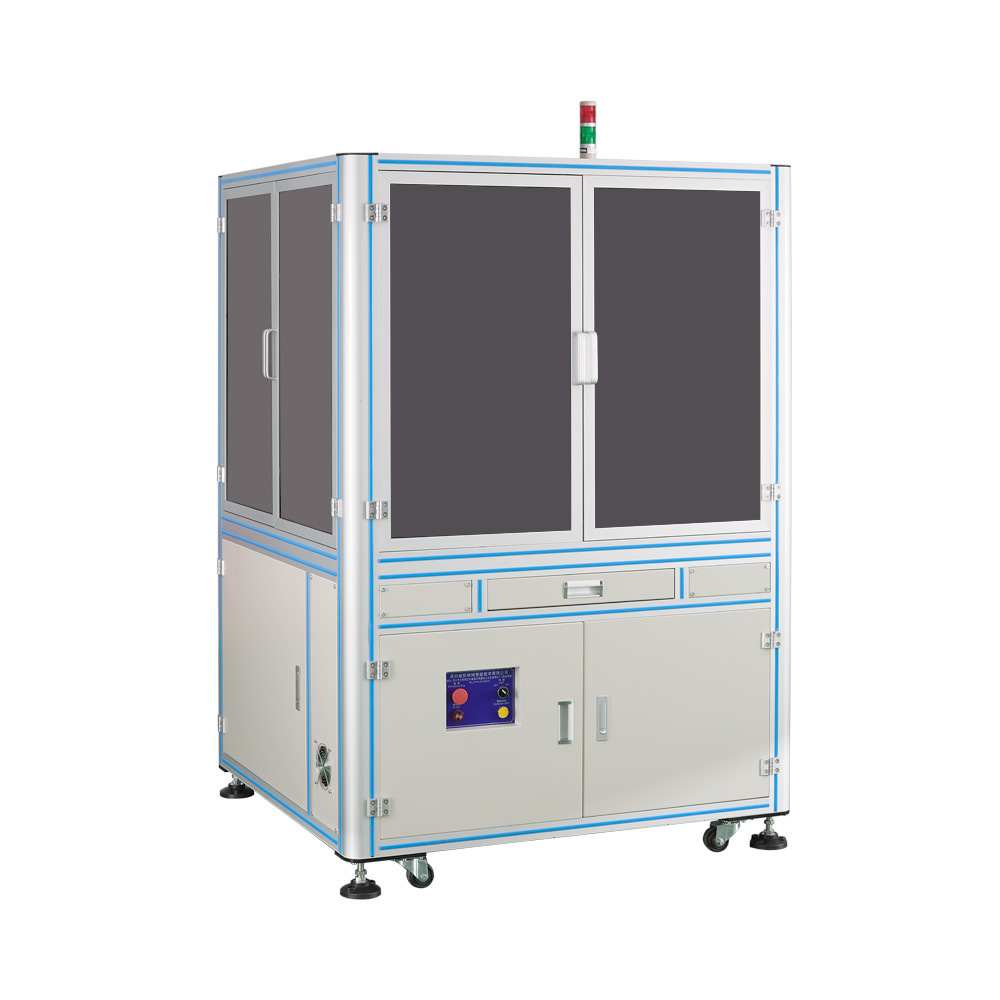
In manufacturing, CCD-based optical inspection systems are employed to identify defects in products, monitor assembly processes, and ensure compliance with quality standards. Automated systems facilitate real-time inspections, enhancing productivity and reducing waste.
Medical Imaging
The medical field leverages CCD technology for imaging applications, including endoscopy, X-ray, and MRI systems. CCDs enhance image clarity, enabling healthcare professionals to make informed decisions regarding patient diagnoses and treatments.
Aerospace and Defense
In the aerospace and defense industries, CCD technology is essential for inspecting components and systems that require high reliability. CCD-based imaging systems help detect structural anomalies, ensuring the safety and performance of critical systems.
Research and Development
Researchers utilize CCD technology in various scientific applications, including spectroscopy and microscopy. The ability to capture high-resolution images facilitates groundbreaking discoveries and advancements across multiple fields.
Future Trends in CCD Technology for Optical Inspection
As technology continues to evolve, several trends are emerging that will shape the future of CCD technology in optical inspection:
Integration with Machine Learning and AI
The incorporation of machine learning algorithms and artificial intelligence into CCD-based inspection systems will enhance automated analysis, allowing for real-time decision-making and improved defect detection.
Enhancements in Miniaturization
Continued advancements in miniaturization will lead to more compact CCD sensors, enabling their integration into smaller devices and expanding their applicability in various fields.
Higher Resolution and Sensitivity
Future developments are likely to yield CCD sensors with even higher resolution and sensitivity, allowing for the capture of finer details and enhancing the overall quality of inspections.
Eco-Friendly Innovations
With a growing emphasis on sustainability, the optical inspection industry is expected to explore eco-friendly materials and manufacturing processes for CCD technology, reducing environmental impact.
Challenges and Limitations of CCD Technology
While CCD technology offers numerous benefits, it is not without its challenges. Understanding these limitations is essential for leveraging CCDs effectively in optical inspection:
Cost Considerations
High-quality CCD sensors can be expensive, which may deter some businesses from investing in CCD technology for their inspection systems.
Size and Weight
Traditional CCD sensors can be larger and heavier than other imaging technologies, posing challenges in applications where space and weight are critical factors.
Vulnerability to Damage
CCDs are sensitive to environmental conditions and can be susceptible to damage from extreme temperatures or electromagnetic interference, necessitating careful handling and protective measures.
Frequently Asked Questions
What is the difference between CCD and CMOS technology?
While both CCD and CMOS technologies are used for image capturing, CCDs generally offer higher image quality and lower noise levels, making them ideal for precision applications. CMOS sensors, on the other hand, are often more cost-effective and consume less power.
Can CCD technology be used in low-light conditions?
Yes, CCD technology excels in low-light conditions due to its high sensitivity, making it suitable for applications like night vision and astronomical imaging.
What industries benefit most from CCD technology?
Industries such as manufacturing, healthcare, aerospace, and research benefit significantly from CCD technology due to its precision and reliability in optical inspections.
Are CCD sensors being replaced by newer technologies?
While CCD sensors remain widely used, advancements in CMOS technology may lead to increased adoption of CMOS in certain applications. However, CCDs will continue to play a crucial role in precision and high-quality imaging.
How do I choose the right CCD system for my application?
Selecting the appropriate CCD system involves considering factors such as resolution, sensitivity, and specific application requirements. Consulting with experts in the field can help ensure the right choice.
Conclusion
The field of optical inspection is undergoing a significant transformation, largely driven by advancements in CCD technology. With its high sensitivity, resolution, and adaptability, CCDs are setting new standards for accuracy and quality control across various industries. As we look to the future, the integration of machine learning, miniaturization, and eco-friendly innovations will further enhance the capabilities of CCD technology, solidifying its position as a cornerstone of optical inspection systems. Embracing these advancements will enable industries to meet the growing demands for precision and quality in an ever-evolving market.
Contact Us
Ms. Lu: +86-18128878019
Phone: +86 0755-23199519
ADD : Room 302, 402, Building A, Xinpitou Industrial Zone, Kanghong Road, Xinqiang Community, Xinhu Street, Guangming New District, Shenzhen
Online Message
Our team will get in touch with you shortly, so keep an eye on your inbox




