

The Ins and Outs of CCD Visual Inspection: Common Questions Answered
2025-08-29


Understanding CCD Visual Inspection
So, you've heard of CCD visual inspection and are curious about what it entails? You're not alone! This process is a vital cog in the machinery of quality control across various industries. From electronics to automotive, CCD (Charge-Coupled Device) visual inspection systems are making waves. Let's dive into some common questions that people often have about this fascinating technology.
What is CCD Visual Inspection Anyway?
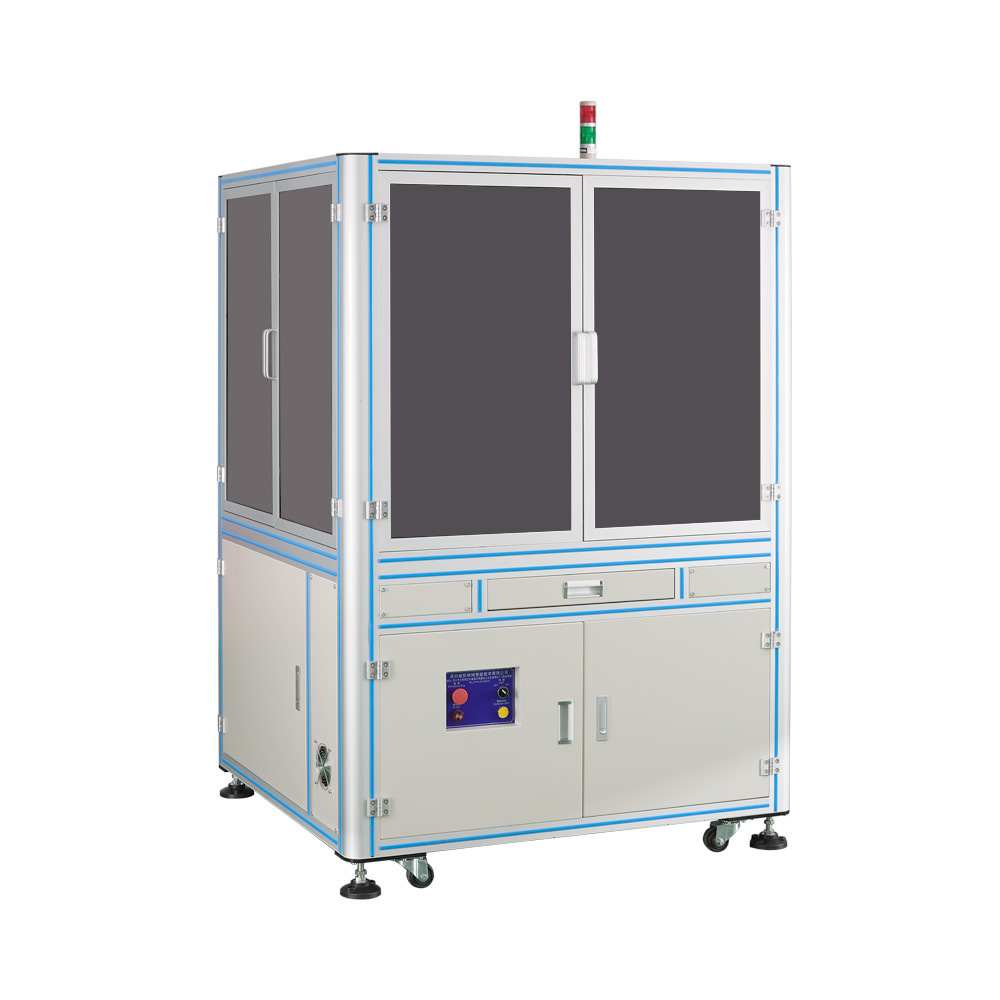
At its core, CCD visual inspection is a method that uses specialized cameras to capture images of products and components. These images are then analyzed for defects or quality issues. Think of it as having a super sharp pair of eyes that never get tired! Unlike human inspectors, these systems can scan thousands of items in a fraction of the time, ensuring consistency and precision.
Why is it Important?
Quality control is the name of the game in manufacturing. With CCD visual inspection, companies can significantly reduce the chances of defects slipping through the cracks. This tech helps maintain product standards, increases efficiency, and ultimately saves money. Who doesn't want that?
How Does It Work?
Alright, let's get into the nitty-gritty! A CCD camera captures the image of an item and converts it into a digital signal. This signal is then processed by software that looks for anomalies. The beauty of this system lies in its ability to learn. With advanced algorithms, the software can adapt and improve its detection capabilities over time. Talk about smart tech!
Common Questions About CCD Visual Inspection
1. Is CCD Visual Inspection Suitable for All Industries?
Not necessarily! While it shines in sectors like electronics and automotive, the suitability depends on the specific application. Always consult with an expert to determine if it's the right fit for your industry.
2. Can CCD Visual Inspection Replace Human Inspectors?
That's a loaded question! While the tech can handle a lot of tasks, human inspectors bring intuition and experience to the table. The best approach? A hybrid model where technology and people work hand in hand!
3. What Are the Limitations?
Like any tech, CCD visual inspection isn't without its challenges. For instance, it may struggle with certain materials or complex geometries. Additionally, initial setup costs can be a hurdle. But hey, you've got to spend money to make money, right?
How to Choose the Right System?
Choosing the right CCD visual inspection system can be daunting. Consider factors like your industry's specific needs, the types of products you're inspecting, and your budget. Don't hesitate to reach out to vendors for demos and consultations. After all, seeing is believing!
The Future is Bright!
As we move forward, the world of CCD visual inspection is only set to get better. With advancements in AI and machine learning, these systems will become even more capable and efficient. So, whether you're a business owner or just a tech enthusiast, keep your eyes peeled for what's next!
In Conclusion
To wrap it up, CCD visual inspection is a game-changer in quality control. By understanding its workings, benefits, and limitations, you can make informed decisions that propel your business forward. If you've got more questions, don't hesitate to ask! After all, knowledge is power.
Contact Us
Ms. Lu: +86-18128878019
Phone: +86 0755-23199519
ADD : Room 302, 402, Building A, Xinpitou Industrial Zone, Kanghong Road, Xinqiang Community, Xinhu Street, Guangming New District, Shenzhen
Online Message
Our team will get in touch with you shortly, so keep an eye on your inbox




